
Anúncios
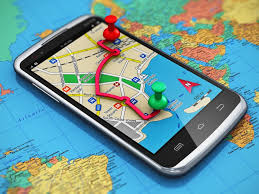
GPS applications have revolutionized how we navigate, travel, and explore the world, transforming smartphones into powerful navigation tools that fit right in our pockets.


Gone are the days when paper maps and written directions were our only companions on unfamiliar roads. Today’s GPS applications offer real-time traffic updates, voice-guided navigation, and intelligent route optimization that adapts to changing conditions instantly.
Anúncios
Whether you’re commuting to work, planning a cross-country road trip, or simply trying to find the nearest coffee shop, GPS apps have become indispensable tools for millions of users worldwide. They combine satellite technology with community-driven data to create comprehensive navigation experiences that go far beyond simple directions.
📍 Understanding How GPS Applications Work
GPS technology relies on a constellation of satellites orbiting Earth, constantly transmitting signals that your smartphone receives and processes. When your device picks up signals from at least four satellites, it can triangulate your precise location with remarkable accuracy.
Anúncios
Modern GPS applications enhance this basic positioning system with additional data layers. They incorporate mapping databases, traffic information from various sources, user-generated reports, and even machine learning algorithms that predict traffic patterns based on historical data.
The magic happens when these elements combine seamlessly. Your phone receives satellite signals determining your location, the app processes this information against its mapping database, checks real-time traffic conditions, and calculates the optimal route to your destination—all within seconds.
🚗 Top Features That Define Modern GPS Applications
Contemporary navigation apps have evolved far beyond simple point-to-point directions. They’ve become sophisticated platforms offering comprehensive travel assistance that anticipates your needs before you even realize them.
Real-Time Traffic Intelligence
One of the most valuable features modern GPS apps provide is live traffic monitoring. These applications collect data from multiple sources including traffic sensors, connected vehicles, and user reports to paint an accurate picture of road conditions.
This real-time information allows apps to reroute you automatically when accidents, construction, or congestion threaten to delay your journey. Some applications even provide estimated arrival times that factor in current traffic patterns, giving you realistic expectations rather than optimistic guesses.
Voice-Guided Navigation
Keeping your eyes on the road while navigating unfamiliar territory becomes effortless with voice-guided directions. GPS applications announce upcoming turns, lane changes, and important traffic information, allowing you to drive safely without constantly glancing at your screen.
Advanced voice systems now understand natural language commands, enabling hands-free operation. You can search for destinations, report traffic incidents, or adjust settings using simple voice commands while maintaining focus on driving.
Community-Driven Updates
Many popular navigation apps harness the power of their user communities to provide real-time updates that official sources might miss. Users can report accidents, police presence, road hazards, and even fuel prices, creating a collaborative navigation network.
This crowdsourced information proves invaluable for avoiding unexpected delays and dangers. The collective intelligence of millions of drivers creates a dynamic map that reflects actual road conditions rather than static, outdated information.

🌍 Benefits of Using GPS Applications Daily
Integrating a reliable GPS application into your daily routine delivers advantages that extend well beyond simply finding your way from point A to point B.
Time Management and Efficiency
GPS apps help you make informed decisions about departure times and route selection. By checking traffic conditions before leaving, you can avoid peak congestion periods or choose alternative routes that save precious minutes during your commute.
The ability to compare multiple routes simultaneously empowers you to select options based on your priorities—whether that’s shortest distance, fastest time, or avoiding tolls and highways.
Exploring With Confidence
Having a reliable navigation tool in your pocket removes the anxiety from exploring unfamiliar areas. You can venture into new neighborhoods, discover hidden restaurants, or take spontaneous detours knowing you can always find your way back.
This confidence encourages discovery and adventure. Rather than sticking to familiar routes and locations, GPS applications enable you to experience more of what your city or travel destinations have to offer.
Safety and Emergency Assistance
Beyond navigation, GPS apps contribute significantly to driver safety. They alert you to dangerous road conditions, sharp curves, and areas with frequent accidents. Some applications can even detect if you’ve been in a collision and automatically notify emergency services.
Location-sharing features allow friends and family to track your progress during long journeys, providing peace of mind for everyone involved. This proves especially valuable when traveling alone or through remote areas.
🔋 Maximizing Battery Life While Using GPS
GPS applications are known for consuming significant battery power, but several strategies can help you navigate without draining your phone completely.
Screen brightness represents one of the largest power consumers during navigation. Reducing brightness to the minimum comfortable level can extend battery life substantially. Many apps also offer night mode themes that use darker colors, which consume less power on OLED screens.
Downloading offline maps for frequently traveled areas reduces the need for constant data connectivity, which conserves battery. When you don’t need real-time traffic updates—perhaps during rural drives or in areas with known stable traffic patterns—offline navigation provides efficient alternatives.
Closing unnecessary background applications ensures your phone dedicates maximum resources to navigation. Additionally, enabling battery saver modes on your device can extend usage time, though this may slightly reduce GPS accuracy.
🗺️ Offline Navigation Capabilities
Internet connectivity isn’t always guaranteed, especially during international travel or when driving through remote areas. Fortunately, many GPS applications offer robust offline functionality that ensures you’re never truly lost.
Before embarking on trips to areas with limited connectivity, download maps of your destination regions. These offline maps typically include full street-level detail, points of interest, and turn-by-turn navigation capabilities that function without any internet connection.
While offline mode sacrifices real-time traffic updates and live search functionality, it provides reliable basic navigation that’s often sufficient for most travel scenarios. The storage space required varies depending on map detail and region size, but modern smartphones typically accommodate multiple regional maps comfortably.
🎯 Customizing Your Navigation Experience
GPS applications recognize that every driver has unique preferences and needs. Customization options allow you to tailor the navigation experience to match your specific requirements.
Route Preferences
Most applications let you specify routing preferences such as avoiding highways, toll roads, ferries, or unpaved roads. These settings prove valuable for travelers with specific vehicle limitations, budget constraints, or personal preferences regarding driving conditions.
You can also prioritize fuel efficiency by selecting eco-friendly routing options that minimize fuel consumption through optimized speed profiles and route selection, potentially saving money while reducing environmental impact.
Visual and Audio Customization
Personalizing the visual interface enhances usability and comfort. Choose between different map views including 2D top-down perspectives or 3D angled views that provide better spatial awareness in complex urban environments.
Voice guidance customization allows you to select different voice options, adjust volume levels independently from your phone’s main volume, and control the verbosity of instructions—receiving only essential commands or more detailed guidance as preferred.
🚴 Beyond Driving: Alternative Navigation Modes
While GPS applications excel at automotive navigation, many have expanded to support various transportation modes, recognizing that modern urban mobility involves more than just cars.
Walking Navigation
Pedestrian mode optimizes routes for walking, considering factors like sidewalk availability, pedestrian crossings, stairways, and foot paths that vehicles cannot access. This mode proves invaluable when exploring city centers, parks, or campuses on foot.
Walking directions often include landmarks and visual cues that help pedestrians orient themselves more effectively than street names alone. Some apps even provide indoor navigation for large facilities like airports and shopping centers.
Public Transportation Integration
Comprehensive transit integration transforms GPS apps into multimodal journey planners. They combine bus, train, subway, and tram schedules with walking directions, providing door-to-door guidance that seamlessly blends different transportation methods.
Real-time transit updates inform you of delays, cancellations, or service disruptions, allowing you to adjust plans accordingly. Some applications even display live vehicle locations, so you know exactly when your bus or train will arrive.
Cycling Routes
Bicycle navigation considers factors unique to cycling, such as elevation changes, bike lane availability, traffic volume, and road surface quality. These specialized routes help cyclists find safer, more enjoyable paths that balance efficiency with comfort.
Cycling mode typically provides different metrics than driving mode, including calorie estimates, elevation profiles, and average speeds that matter to cyclists planning their rides.
🔒 Privacy Considerations and Location Data
Using GPS applications involves sharing location data with service providers, raising legitimate privacy concerns that informed users should understand and manage.
Navigation apps collect location history to improve traffic predictions, personalize suggestions, and enhance overall service quality. However, this data collection represents a privacy trade-off that users must consciously evaluate.
Most reputable GPS applications provide privacy controls allowing you to limit data collection, delete location history, or use navigation features without storing travel patterns. Reviewing these settings ensures your usage aligns with your personal privacy preferences.
Consider using privacy-focused alternatives if data protection ranks as your highest priority. Some navigation apps emphasize minimal data collection while still providing effective routing capabilities, though they may sacrifice some personalization features.
💡 Pro Tips for GPS Application Power Users
Experienced navigators have discovered numerous techniques that maximize GPS app effectiveness beyond basic usage.
Save frequent destinations as favorites for instant one-tap navigation. This eliminates repetitive address entry and speeds up your departure process significantly. Most apps allow unlimited saved locations organized into custom categories.
Explore route planning features that let you add multiple stops to a single journey. This proves invaluable for running errands efficiently, ensuring you visit all destinations in the optimal sequence that minimizes backtracking.
Enable parking assistance features available in some applications. These tools remember where you parked, provide walking directions back to your vehicle, and sometimes even display parking availability and pricing at your destination.
Review your travel statistics periodically. Many apps track metrics like total distance driven, time spent navigating, and fuel savings from traffic avoidance. These insights provide interesting perspectives on your travel patterns and the app’s value.
🌟 Choosing the Right GPS Application for Your Needs
The navigation app market offers numerous options, each with distinct strengths catering to different user preferences and requirements.
Consider your primary use case when selecting a GPS application. Frequent road-trippers might prioritize comprehensive offline maps and points of interest, while daily commuters benefit most from superior traffic intelligence and predictive routing.
Evaluate interface design and usability. The best GPS app for you presents information clearly, responds quickly to inputs, and doesn’t overwhelm you with unnecessary details while driving. Test several options to find the interface that feels most intuitive.
Platform integration matters if you use other connected services. Some GPS apps integrate seamlessly with calendar appointments, messaging apps, and smart home devices, creating a cohesive ecosystem that anticipates your travel needs.
🚀 The Future of GPS Navigation Technology
Navigation technology continues evolving rapidly, with emerging innovations promising even more sophisticated guidance systems in coming years.
Augmented reality navigation represents one exciting frontier. These systems overlay directional arrows and information directly onto real-world camera views, making complex intersections and highway exits easier to navigate by visually highlighting exactly where to turn.
Artificial intelligence increasingly powers route optimization, learning your preferences over time and proactively suggesting departures times, alternative routes, or stops along your journey based on behavioral patterns and contextual information.
Integration with autonomous vehicle systems will transform GPS apps from passive navigation tools into active driving partners. These systems will communicate directly with vehicle controls, enabling seamless automated driving experiences on supported roads.
Enhanced environmental awareness features will help drivers minimize their carbon footprint through electric vehicle charging station integration, eco-friendly routing, and carbon tracking that quantifies the environmental impact of transportation choices.
🎊 Embracing Navigation Freedom
GPS applications have fundamentally changed our relationship with travel and exploration. What once required careful planning, printed maps, and considerable anxiety about getting lost now happens effortlessly with a few smartphone taps.
These powerful tools democratize navigation, making professional-grade routing accessible to everyone regardless of geographic knowledge or navigational skills. They empower spontaneity and adventure while providing the safety net of always knowing how to reach your destination.
As technology continues advancing, GPS applications will become even more integrated into our daily lives, anticipating needs, optimizing efficiency, and making every journey smoother. Embracing these tools fully—understanding their capabilities, customizing them to your preferences, and using them strategically—unlocks tremendous value that extends far beyond simple directions.
Whether you’re navigating your daily commute, exploring a new city, or embarking on epic road trip adventures, modern GPS applications serve as indispensable companions that enhance every journey. Their combination of satellite precision, real-time intelligence, and community-driven insights creates navigation experiences that feel almost magical, turning your smartphone into the ultimate travel assistant that never lets you down. 🗺️✨
