
Anúncios
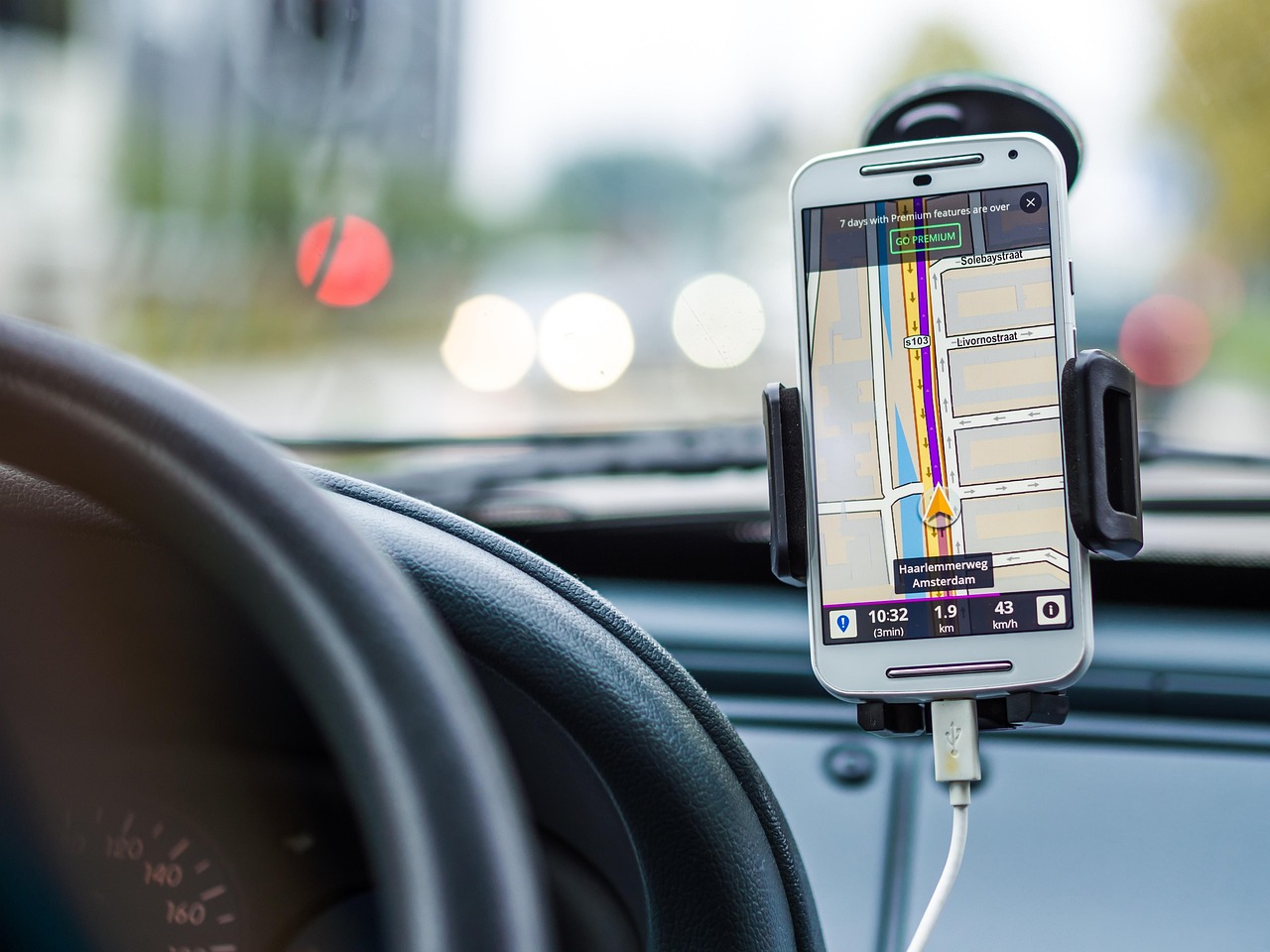
GPS applications have revolutionized how we navigate and explore the world, transforming smartphones into powerful guidance tools that fit right in our pockets.


Whether you’re commuting to work, planning a road trip, or discovering new places in an unfamiliar city, GPS apps have become indispensable companions for modern travelers. These digital navigators offer real-time directions, traffic updates, and alternative routes that save both time and fuel.
Anúncios
The technology behind these applications continues to evolve, incorporating artificial intelligence, community-driven data, and enhanced mapping features. Understanding how to leverage GPS apps effectively can dramatically improve your daily travel experience and open up new possibilities for exploration. 🗺️
The Evolution of GPS Navigation Technology
GPS technology was initially developed by the United States Department of Defense for military purposes in the 1970s. The system became fully operational in 1995 and was gradually made available for civilian use, fundamentally changing how people navigate.
Anúncios
Early GPS devices were bulky, expensive, and limited in functionality. They required separate hardware units mounted on dashboards and offered basic routing capabilities with limited map data. The integration of GPS chips into smartphones marked a pivotal moment in navigation history.
Today’s GPS applications leverage satellite constellations from multiple countries, including GPS (USA), GLONASS (Russia), Galileo (Europe), and BeiDou (China). This multi-system approach provides remarkable accuracy, often pinpointing locations within three to five meters under optimal conditions.
The transition from standalone devices to smartphone apps democratized navigation technology. Millions of people gained instant access to sophisticated mapping tools without purchasing specialized equipment, making GPS navigation accessible to virtually everyone with a smartphone.
Key Features That Define Modern GPS Applications 📱
Contemporary GPS apps offer far more than simple turn-by-turn directions. They’ve evolved into comprehensive travel companions that address multiple aspects of the journey experience.
Real-Time Traffic Intelligence
Modern GPS applications analyze traffic patterns using data from millions of users simultaneously on the road. This collective intelligence enables apps to identify congestion, accidents, road closures, and construction zones in real-time.
Advanced algorithms predict traffic conditions based on historical data, time of day, day of week, and special events. This predictive capability helps users choose optimal departure times and routes before even starting their journey.
Some applications incorporate user-reported incidents, allowing drivers to alert others about hazards, police presence, speed cameras, and road obstacles. This community-driven approach creates a dynamic, constantly updated navigation ecosystem.
Multi-Modal Transportation Options
GPS apps now support various transportation methods beyond driving. Walking, cycling, public transit, ride-sharing, and even scooter routes are integrated into single platforms, offering comprehensive mobility solutions.
Public transportation integration displays bus and train schedules, platform information, and real-time arrival predictions. This feature is particularly valuable in urban environments where multiple transportation options exist simultaneously.
For cyclists and pedestrians, specialized routing considers factors like bike lanes, sidewalk availability, elevation changes, and safety ratings. These tailored experiences acknowledge that different travelers have distinct needs and preferences.

Offline Map Capabilities
Recognizing that internet connectivity isn’t always reliable, many GPS applications now offer offline map downloads. Users can save specific regions or entire countries to their devices for navigation without data connections.
This feature proves invaluable when traveling internationally to avoid roaming charges, in rural areas with poor cellular coverage, or during emergencies when network infrastructure might be compromised.
Offline maps typically include full routing capabilities, points of interest, and address search functionality. While real-time traffic updates obviously require connectivity, basic navigation remains fully functional without internet access.
Popular GPS Applications and Their Unique Strengths 🌟
The GPS app marketplace offers numerous options, each with distinctive features that appeal to different user preferences and needs. Understanding these differences helps users select the most suitable application for their specific circumstances.
Community-Powered Navigation
Some GPS apps emphasize community participation, where millions of users contribute real-time information about road conditions. This crowdsourced approach creates exceptionally current traffic data and hazard warnings.
These platforms often incorporate gamification elements, rewarding users with points for reporting incidents and maintaining accurate map data. The social aspect creates engagement beyond simple navigation, building loyal user communities.
The strength of community-powered apps lies in their ability to identify and respond to changing conditions faster than traditional traffic monitoring systems. A sudden accident is reported within seconds by nearby drivers, immediately alerting approaching traffic.
Comprehensive Ecosystem Integration
Major technology companies offer GPS applications deeply integrated with their broader ecosystem of services. These apps connect seamlessly with email, calendar, contacts, and voice assistants for enhanced convenience.
Automatic trip suggestions based on calendar appointments, proactive departure notifications considering current traffic, and integration with smart home devices create a cohesive, anticipatory user experience.
The extensive mapping data these companies possess, gathered from Street View vehicles, satellite imagery, and user contributions, results in extraordinarily detailed and accurate maps covering virtually every corner of the globe.
Privacy-Focused Alternatives
Responding to growing privacy concerns, several GPS applications prioritize user data protection. These apps minimize data collection, operate with open-source code, and avoid tracking user movements for advertising purposes.
While they may sacrifice some advanced features that require extensive data analysis, privacy-focused apps appeal to users who value data sovereignty and want to minimize their digital footprint.
These alternatives often rely on OpenStreetMap data, a collaborative mapping project created by volunteers worldwide. The community-maintained maps continue improving in quality and coverage, offering a viable alternative to commercial mapping services.
Maximizing GPS Application Effectiveness 🚗
Simply installing a GPS app doesn’t guarantee optimal navigation experiences. Understanding how to configure settings and use advanced features significantly enhances performance and usefulness.
Customizing Navigation Preferences
Most GPS applications offer extensive customization options that tailor the experience to individual preferences. Voice guidance volume, map display orientation, route preferences (fastest vs. shortest), and avoidance settings (tolls, highways, ferries) can all be adjusted.
Taking time to explore settings menus reveals valuable options like alternate route suggestions, fuel-efficient routing, scenic routes, and accessibility features for users with specific needs.
Display customization affects usability significantly. Night mode reduces eye strain during evening driving, while simplified map views minimize distractions by hiding non-essential information during navigation.
Leveraging Voice Commands
Hands-free operation through voice commands enhances safety by allowing drivers to keep their attention on the road. Modern GPS apps support sophisticated voice recognition for searching destinations, adjusting routes, and reporting incidents.
Learning the specific voice command syntax for your chosen app streamlines interactions. Commands like “report accident,” “avoid tolls,” or “find gas stations along my route” provide powerful functionality without touching the device.
Integration with smartphone voice assistants enables even more natural conversational interactions. You can request navigation while simultaneously controlling music, sending messages, or checking calendar appointments.
Saving Favorite Locations and Routes
Storing frequently visited destinations eliminates repetitive address searching. Home, work, favorite restaurants, and family members’ addresses can be saved with custom labels for instant navigation access.
Some applications allow saving entire routes, particularly useful for complex journeys with multiple stops or specific waypoint preferences. These saved routes can be shared with others planning similar trips.
Location lists help organize destinations by category—vacation spots, business clients, hiking trailheads—making it easy to find and navigate to places within specific contexts.
GPS Applications for Specialized Navigation Needs 🏔️
Beyond standard road navigation, specialized GPS apps cater to specific activities and environments where traditional mapping applications fall short.
Outdoor Adventure Navigation
Hiking, camping, and wilderness exploration require GPS apps with topographic maps, trail information, and offline capabilities. These specialized applications display elevation profiles, difficulty ratings, and points of interest specific to outdoor activities.
Features like track recording allow users to document their journeys, creating shareable routes for others to follow. Waypoint marking helps navigate to specific locations like campsites, water sources, or scenic viewpoints.
Safety features in outdoor navigation apps include weather forecasts, sunrise/sunset times, and emergency location sharing. Some apps provide information about wilderness regulations, permit requirements, and park-specific guidelines.
Marine and Aviation GPS Solutions
Specialized navigation apps serve boaters and pilots with charts, airspace information, weather data, and navigation aids specific to maritime and aviation contexts. These applications meet regulatory requirements and safety standards for their respective domains.
Marine GPS apps display nautical charts, tide information, marina locations, and navigation hazards. Aviation apps show sectional charts, airport information, airspace boundaries, and weather conditions affecting flight safety.
The precision and reliability requirements for these specialized applications exceed those of ground-based navigation, incorporating redundant positioning systems and extensive safety checks.
Privacy and Security Considerations 🔒
GPS applications necessarily collect location data to function, raising important privacy and security questions that users should understand and actively manage.
Understanding Data Collection Practices
Most GPS apps collect continuous location data when actively navigating and may track location in the background for features like traffic analysis and location history. Understanding what data is collected, how it’s used, and who has access is essential for informed decisions.
Reading privacy policies reveals important details about data retention periods, anonymization practices, sharing with third parties, and advertising uses. While lengthy and technical, these documents contain crucial information about your data’s treatment.
Some applications allow users to opt out of certain data collection practices while maintaining core navigation functionality. Exploring these options helps balance convenience with privacy protection according to personal comfort levels.
Managing Location Permissions
Smartphone operating systems provide granular control over location permissions. Apps can be granted “always allow,” “only while using,” or “never” access to location services, with significant implications for functionality and privacy.
Granting location access only while actively using an app limits background tracking while still providing full navigation capabilities during trips. This balanced approach protects privacy without sacrificing essential functionality.
Regular review of which apps have location permissions reveals potential privacy risks from forgotten or rarely used applications that continue accessing location data unnecessarily.
Location History and Data Deletion
Many GPS applications maintain detailed location histories, creating timelines of everywhere you’ve been. While useful for reviewing past trips or finding previously visited places, this data represents a comprehensive surveillance record.
Users should periodically review location history settings and delete accumulated data if not needed. Some apps offer automatic deletion after specified periods, providing a reasonable middle ground between utility and privacy.
Completely disabling location history prevents this data from being collected in the first place, though at the cost of features that rely on historical patterns to improve recommendations and predictions.
The Future of GPS Navigation Technology 🚀
GPS application development continues advancing rapidly, with emerging technologies promising to further transform navigation experiences in coming years.
Augmented Reality Navigation
Augmented reality (AR) overlays digital navigation information onto real-world camera views, showing directional arrows, street names, and points of interest directly on the visible environment. This intuitive interface reduces cognitive load required to translate abstract maps into real-world actions.
Early implementations display AR navigation for walking directions, particularly helpful in complex urban environments where traditional map views can be confusing. Future developments will likely extend AR features to driving contexts with heads-up display integration.
As AR technology matures and smartphone capabilities increase, expect more sophisticated integrations that identify buildings, landmarks, and services in real-time, providing contextual information simply by pointing your device.
Artificial Intelligence and Predictive Navigation
Machine learning algorithms increasingly anticipate user needs, suggesting destinations based on routines, calendar appointments, and learned patterns. These intelligent systems proactively provide navigation guidance before users explicitly request it.
AI-powered route optimization considers numerous factors simultaneously—traffic predictions, weather conditions, personal preferences, fuel efficiency, and even driver behavior patterns—to recommend truly optimal routes tailored to individual circumstances.
Natural language processing improvements enable more conversational interactions with navigation apps, understanding context and intent rather than requiring specific command syntax. This makes GPS applications more accessible and easier to use while driving.
Integration with Autonomous Vehicles
As autonomous vehicle technology develops, GPS applications will evolve from providing guidance to human drivers toward orchestrating fully automated journeys. Navigation systems will communicate directly with vehicle controls, managing entire trips without human intervention.
This transformation requires unprecedented accuracy and reliability, driving improvements in mapping precision, real-time updates, and predictive capabilities that will benefit all users, not just those in autonomous vehicles.
The relationship between navigation apps and vehicles becomes increasingly symbiotic, with cars contributing sensor data to improve maps while navigation systems provide increasingly sophisticated routing intelligence.
Making the Most of Your GPS Experience ✨
GPS applications represent remarkable technological achievements that empower people to navigate confidently anywhere in the world. By understanding their capabilities, limitations, and optimal usage strategies, you transform these tools from simple direction providers into comprehensive travel companions.
Experiment with different applications to find the one that best matches your specific needs and preferences. What works perfectly for one person might not suit another’s priorities regarding features, interface design, or privacy considerations.
Stay informed about new features and updates to your chosen GPS app. Developers continuously improve their applications based on user feedback and technological advances, regularly adding valuable capabilities that enhance the navigation experience.
Remember that GPS applications are tools to enhance your journey, not replacements for awareness and judgment. Stay attentive to actual road conditions, traffic signs, and circumstances that technology might not detect or communicate quickly enough.
The world becomes more accessible when equipped with reliable navigation tools. Whether exploring unfamiliar cities, commuting efficiently through daily traffic, or embarking on cross-country adventures, GPS applications make every journey smoother, safer, and more enjoyable. Embrace these powerful tools, use them wisely, and discover the freedom that comes from knowing you can confidently navigate anywhere your travels take you. 🌍
