
Anúncios
Discovering you might be pregnant is a life-changing moment filled with excitement, anxiety, or a mix of emotions that can overwhelm anyone.


Whether you’ve been trying to conceive for months or suspect an unexpected pregnancy, taking a pregnancy test is often the first step toward clarity. Understanding how these tests work, when to take them, and how to interpret results can make a significant difference in your experience.
Anúncios
Modern pregnancy tests have evolved tremendously, offering accuracy, convenience, and early detection capabilities that weren’t available decades ago. From traditional urine tests to digital options and even mobile apps that help track symptoms, the landscape of pregnancy testing continues to expand with technology and medical advancements.
🧬 How Pregnancy Tests Actually Work
Pregnancy tests detect the presence of human chorionic gonadotropin (hCG), a hormone produced by the placenta shortly after a fertilized egg attaches to the uterine lining. This hormone begins appearing in your bloodstream and urine approximately 6-12 days after conception.
Anúncios
Home pregnancy tests work by analyzing urine samples for hCG levels. When you urinate on the test strip or dip it into a urine sample, antibodies within the test react with hCG if present. This reaction triggers a color change or symbol that indicates whether you’re pregnant.
The sensitivity of pregnancy tests varies between brands and types. Some tests can detect hCG levels as low as 10 mIU/mL, while others require concentrations of 25 mIU/mL or higher. This sensitivity determines how early you can test and still receive accurate results.
Blood Tests vs. Urine Tests
While home pregnancy tests analyze urine, healthcare providers can also perform blood tests that detect hCG. Blood tests come in two varieties: qualitative (which simply confirms pregnancy) and quantitative (which measures exact hCG levels).
Blood tests can detect pregnancy earlier than urine tests—sometimes as early as 6-8 days after ovulation. They’re also more sensitive and can provide additional information about pregnancy viability through serial hCG measurements.
⏰ When to Take a Pregnancy Test for Best Results
Timing is crucial when taking a pregnancy test. Testing too early can lead to false negatives because hCG levels haven’t risen high enough for detection yet.
For the most accurate results, wait until at least the first day of your missed period. At this point, hCG levels in most pregnant women will be high enough for standard home tests to detect. However, some early detection tests claim to provide results up to 5-6 days before your expected period.
Testing with your first morning urine typically yields the best results because hCG concentrations are highest after an overnight fast. However, modern sensitive tests can often provide accurate results any time of day if you’re testing after a missed period.
Signs That Suggest It’s Time to Test 🔍
- A missed menstrual period (the most common indicator)
- Breast tenderness or swelling beyond typical PMS symptoms
- Unexplained fatigue or exhaustion
- Nausea or morning sickness
- Frequent urination without other causes
- Light spotting or implantation bleeding
- Food aversions or heightened sense of smell
- Mild cramping or abdominal discomfort
📱 Digital Pregnancy Tests and Apps: The Modern Approach
Technology has revolutionized pregnancy testing beyond traditional strip tests. Digital pregnancy tests now offer clear “pregnant” or “not pregnant” readouts, eliminating the confusion of interpreting faint lines.
Some advanced digital tests even estimate how many weeks since conception (typically showing 1-2, 2-3, or 3+ weeks). These tests use more sophisticated technology to measure hCG levels more precisely.

Mobile apps have also entered the pregnancy testing space, offering symptom trackers, cycle monitoring, and guidance on when to test. While apps cannot replace actual pregnancy tests, they provide valuable support throughout the conception journey and early pregnancy.
Benefits of Digital Testing Methods
Digital options reduce user error by providing unmistakable results rather than requiring interpretation of colored lines. They’re particularly helpful for those who struggle with reading traditional tests or experience anxiety about result accuracy.
Additionally, pregnancy apps can help you track multiple symptoms, remember testing dates, calculate due dates, and even connect with communities of others experiencing similar journeys.
✅ Understanding Your Test Results
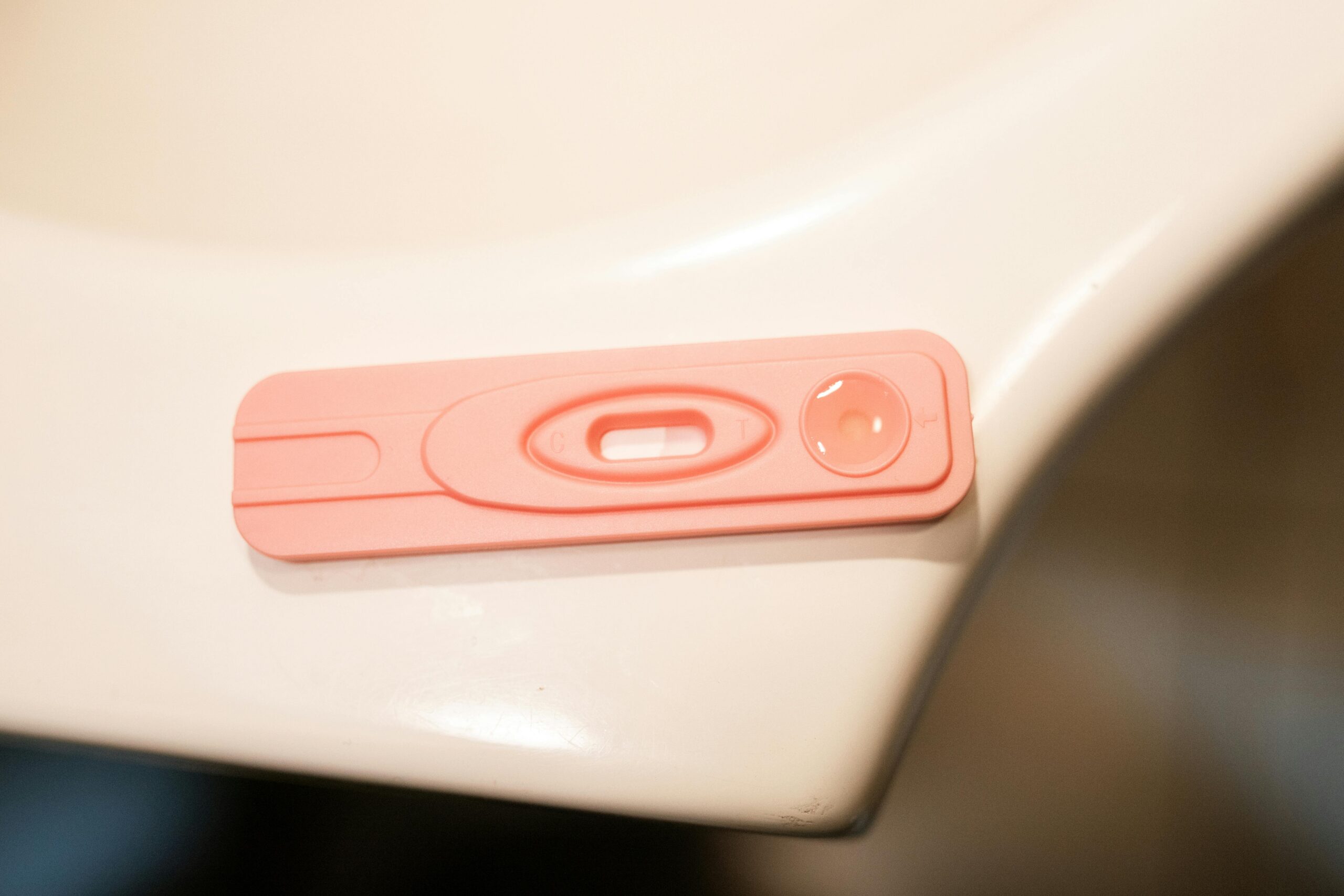
Reading pregnancy test results correctly is essential for avoiding unnecessary worry or false hope. Most tests display results within 3-5 minutes, though exact timing varies by brand.
A positive result typically appears as two lines, a plus sign, or the word “pregnant” on digital tests. Any visible test line—even if faint—generally indicates pregnancy, as hCG presence triggers the reaction regardless of concentration.
Negative results show a single line, minus sign, or “not pregnant.” However, testing too early can produce false negatives if hCG levels haven’t risen sufficiently yet.
What About Faint Lines? 💭
Faint lines are one of the most common sources of confusion in pregnancy testing. In most cases, even a very faint line indicates pregnancy because hCG is present in your urine.
Faint lines often appear when testing very early in pregnancy when hCG levels are still low. If you receive a faint positive, consider retesting in 2-3 days when hormone levels should be higher, which will produce a darker line.
However, evaporation lines can sometimes appear after the recommended reading time has passed. These aren’t true positives—they’re simply residue left as urine dries. Always read results within the timeframe specified in the test instructions.
🎯 Factors That Can Affect Test Accuracy
While modern pregnancy tests boast accuracy rates of 99% when used correctly, several factors can influence results and lead to false positives or negatives.
Common Causes of False Negatives
- Testing too early before hCG levels are detectable
- Using diluted urine from excessive fluid intake
- Not following test instructions properly
- Using an expired or improperly stored test
- Testing at the wrong time of day with a less sensitive test
Potential Causes of False Positives
- Chemical pregnancy (very early miscarriage)
- Recent pregnancy loss where hCG levels remain elevated
- Fertility treatments containing hCG
- Certain medications including diuretics or antihistamines
- Medical conditions like ovarian cysts or ectopic pregnancy
- Evaporation lines misread as positive results
If you receive unexpected results or conflicting test outcomes, consulting with a healthcare provider for a blood test can provide definitive answers.
🛒 Choosing the Right Pregnancy Test
The pregnancy test market offers numerous options at various price points, which can make selection overwhelming. Understanding the differences helps you choose the best option for your situation.
Types of Home Pregnancy Tests
| Test Type | Sensitivity | Price Range | Best For |
|---|---|---|---|
| Standard Strip Tests | 25-50 mIU/mL | Budget-friendly | Testing after missed period |
| Midstream Tests | 20-25 mIU/mL | Moderate | Ease of use and accuracy |
| Early Detection Tests | 10-15 mIU/mL | Higher | Testing before missed period |
| Digital Tests | 25 mIU/mL | Premium | Clear, unmistakable results |
| Digital with Week Estimator | 25 mIU/mL | Most expensive | Additional pregnancy information |
Budget-conscious shoppers might prefer bulk strip tests, which offer the same technology as expensive brands at a fraction of the cost. Those seeking peace of mind might invest in digital options that eliminate interpretation anxiety.
🌟 What to Do After a Positive Test
Receiving a positive pregnancy test result marks the beginning of an incredible journey. Your next steps are important for ensuring a healthy pregnancy.
Schedule an appointment with your healthcare provider or obstetrician. Most providers recommend initial visits around 8-10 weeks of pregnancy, though some may see you earlier, especially if you have risk factors or fertility treatment history.
Begin taking prenatal vitamins if you haven’t already, particularly those containing folic acid, which reduces the risk of neural tube defects. Most experts recommend 400-800 mcg of folic acid daily.
Early Pregnancy Lifestyle Adjustments
- Eliminate alcohol consumption completely
- Quit smoking and avoid secondhand smoke
- Limit caffeine intake to less than 200mg daily
- Avoid certain foods like raw fish, unpasteurized dairy, and deli meats
- Review medications with your healthcare provider
- Stay hydrated and maintain a balanced diet
- Get adequate rest and manage stress
Document your pregnancy journey through apps, journals, or photos. Many people find it helpful to track symptoms, questions for doctors, and milestones throughout pregnancy.
💙 Coping with Negative Results
A negative pregnancy test can be disappointing, especially for those actively trying to conceive. It’s completely normal to feel sadness, frustration, or other difficult emotions.
If you’re trying to get pregnant, remember that even healthy couples may take several months to conceive. Most healthcare providers suggest trying for 12 months (or 6 months if you’re over 35) before seeking fertility evaluation.
Consider tracking ovulation through basal body temperature, ovulation predictor kits, or fertility apps to optimize timing. Understanding your cycle can significantly improve conception chances.
If you receive repeated negative tests but still haven’t gotten your period and experience pregnancy symptoms, consult with your healthcare provider. Certain conditions can cause amenorrhea (absent periods) and pregnancy-like symptoms.
🔬 The Science Behind hCG Levels
Understanding how hCG levels rise during early pregnancy can help you interpret test results and know when to retest.
After implantation, hCG levels typically double every 48-72 hours during the first few weeks of pregnancy. This rapid increase is what makes it possible to get a negative test one day and a positive test just days later.
By the time of your expected period, hCG levels usually range from 50-100 mIU/mL. They continue rising rapidly, peaking around 8-11 weeks of pregnancy before declining to lower (but still elevated) levels for the remainder of pregnancy.
When hCG Levels May Indicate Concerns
While home pregnancy tests only detect hCG presence, healthcare providers can monitor levels through blood tests. Abnormal hCG patterns may indicate potential complications like ectopic pregnancy or miscarriage.
Lower-than-expected hCG levels might suggest miscalculated conception dates, ectopic pregnancy, or potential pregnancy loss. Higher-than-typical levels could indicate multiple pregnancies (twins, triplets) or molar pregnancy.
Only medical professionals can properly interpret hCG levels in context with other symptoms and ultrasound findings, so never attempt to self-diagnose based solely on hormone levels.
🌈 Moving Forward with Confidence
Pregnancy testing is a powerful tool that puts important information directly in your hands. Whether you’re hoping for a positive result, seeking confirmation of suspected pregnancy, or simply need peace of mind, understanding how tests work empowers you to make informed decisions.
Remember that pregnancy tests are just the beginning of your journey. Positive results should always be confirmed with healthcare providers who can provide comprehensive prenatal care. Negative results, especially if symptoms persist or you miss multiple periods, also warrant medical consultation.
Trust the process, listen to your body, and don’t hesitate to seek professional guidance whenever questions or concerns arise. Modern pregnancy tests offer remarkable accuracy and convenience, but they work best when combined with proper medical care and self-awareness.
Your reproductive health journey is unique, and having reliable tools like accurate pregnancy tests, helpful mobile apps, and supportive healthcare providers makes navigating each step more manageable and less stressful. 💕
