
Anúncios
# HTML Article: Radio FM and AM
Radio broadcasting has shaped how millions of people consume music, news, and entertainment for over a century, connecting communities through invisible waves.
Anúncios


From the early days of crackling transmissions to today’s crystal-clear digital signals, radio remains a powerful medium. Whether you’re tuning into your favorite FM station during your morning commute or scanning AM frequencies for talk shows and sports commentary, understanding how these technologies work enhances your listening experience.
The fundamental differences between FM and AM broadcasting go beyond just the dial numbers on your receiver. Each technology offers unique characteristics that make them suitable for different types of content and listening conditions. Let’s explore the fascinating world of radio transmission and discover what makes these two formats distinct yet equally important in our daily lives.
Anúncios
📻 The Science Behind Radio Waves
Radio transmission relies on electromagnetic waves that travel through the air at the speed of light. These invisible signals carry audio information from broadcasting towers to your radio receiver, creating the soundscape we’ve come to depend on.
At the heart of radio technology lies a simple principle: converting sound into electrical signals, modifying carrier waves, and then decoding them back into audio. The way this modulation happens determines whether a station broadcasts in AM or FM format.
Amplitude Modulation (AM) and Frequency Modulation (FM) represent two fundamentally different approaches to encoding information onto radio waves. Each method emerged at different points in broadcasting history and serves distinct purposes in modern radio.
🎙️ Understanding AM Radio Technology
AM radio, the older of the two technologies, encodes information by varying the amplitude (strength) of the carrier wave while keeping the frequency constant. This method was pioneered in the early 20th century and became the foundation of commercial broadcasting.
The AM band typically operates between 535 and 1705 kilohertz in most countries. These longer wavelengths allow AM signals to travel remarkable distances, especially at night when atmospheric conditions change and signals can bounce off the ionosphere.
Why AM Radio Travels So Far 🌍
The physics behind AM’s impressive range relates directly to wavelength. Lower frequencies produce longer wavelengths that can follow the Earth’s curvature and reflect off atmospheric layers. This phenomenon, called skywave propagation, allows AM stations to reach listeners hundreds or even thousands of miles away after sunset.
During daylight hours, AM signals primarily travel as ground waves, hugging the Earth’s surface. At night, reduced solar radiation allows signals to bounce between the ionosphere and ground, dramatically extending their reach. This is why you might pick up distant stations on your AM dial after dark that aren’t available during the day.
Common Uses for AM Broadcasting 📢
Talk radio, news programming, sports coverage, and religious content dominate AM airwaves. The format’s characteristics make it ideal for spoken word content where audio fidelity isn’t as critical as range and penetration.
- News and current affairs programming
- Sports commentary and live game broadcasts
- Talk shows and political discussion
- Religious and community programming
- Emergency broadcasting systems
- Traffic and weather updates
🎵 Exploring FM Radio Excellence
Frequency Modulation revolutionized radio broadcasting when it became commercially viable in the 1940s. Instead of varying signal strength like AM, FM encodes information by slightly changing the frequency of the carrier wave.
FM stations broadcast between 88 and 108 megahertz, using much higher frequencies than AM. This positioning on the electromagnetic spectrum gives FM its characteristic sound quality and resistance to interference.

Superior Sound Quality 🎶
FM’s primary advantage lies in its ability to reproduce audio with exceptional clarity and minimal interference. The modulation method naturally resists noise from electrical equipment, thunderstorms, and other sources that plague AM signals.
This superior fidelity makes FM the preferred choice for music broadcasting. The format can handle the full range of frequencies in musical performances, from deep bass notes to crisp high-frequency details that define modern recordings.
Stereo broadcasting became standard on FM in the 1960s, adding another dimension to listening enjoyment. This spatial separation of left and right channels creates a more immersive experience that AM simply cannot match with its monaural limitations.
Limited Range with Benefits 📡
Unlike AM’s long-distance capabilities, FM signals travel primarily in straight lines and rarely extend beyond the horizon. This line-of-sight propagation typically limits FM coverage to 30-60 miles from the transmitter, depending on power and terrain.
However, this shorter range offers advantages. The same frequency can be reused in different geographic areas without interference, allowing more stations to operate. Urban areas benefit from this characteristic, supporting dozens of FM stations serving diverse audiences.
Comparing AM and FM Side by Side
| Characteristic | AM Radio | FM Radio |
|---|---|---|
| Frequency Range | 535-1705 kHz | 88-108 MHz |
| Sound Quality | Lower fidelity | High fidelity |
| Broadcast Range | 100+ miles (night) | 30-60 miles |
| Interference Resistance | More susceptible | Highly resistant |
| Stereo Capability | Limited/mono | Standard stereo |
| Best Use | Talk, news, sports | Music, entertainment |
🏗️ How Radio Stations Work
Broadcasting begins in the studio where announcers, DJs, and automated systems create programming. Audio signals travel from microphones and playback equipment through processing chains that optimize sound quality and maintain consistent levels.
These processed signals reach the transmitter, often located on towers positioned for maximum coverage. The transmitter combines the audio with a carrier wave—either through amplitude or frequency modulation—and sends the result to antennas that radiate the signal into space.
Antenna design plays a crucial role in broadcast effectiveness. AM stations often use tall vertical towers that function as the antenna itself, while FM stations employ shorter towers with specialized antenna arrays that focus signals toward populated areas.
📱 Modern Radio in a Digital World
Despite predictions of its demise, traditional radio thrives alongside streaming services and podcasts. Approximately 80% of adults still listen to broadcast radio weekly, valuing its immediacy, local focus, and zero data requirements.
Digital innovations have enhanced rather than replaced traditional broadcasting. HD Radio technology delivers CD-quality sound over existing AM and FM frequencies, while RDS (Radio Data System) displays song information and station details on compatible receivers.
Many stations simultaneously stream online, extending their reach globally and allowing smartphone users to access local content anywhere. Mobile apps have become essential companions to over-the-air broadcasts, offering features like song history, podcast archives, and interactive messaging.
🚗 Radio and Transportation Culture
The relationship between radio and vehicles remains inseparable. Nearly every car manufactured includes a radio receiver, making broadcast content the soundtrack to millions of daily commutes.
Drive-time programming emerged as prime broadcasting hours, with stations crafting content specifically for morning and evening commuters. Traffic reports, weather updates, and engaging personalities help drivers navigate congestion while staying entertained and informed.
AM’s penetration through tunnels and urban canyons makes it valuable for traffic and emergency information, while FM’s superior sound quality dominates music listening. Many drivers develop strong loyalty to specific stations, creating communities of listeners who share common routes and routines.
🌐 The Future of Broadcast Radio
Radio broadcasting continues evolving to meet changing listener expectations. Integration with smart speakers, voice assistants, and connected car systems ensures radio remains accessible through emerging technologies.
Some markets have adopted DAB (Digital Audio Broadcasting), offering more stations and better quality than traditional analog. However, AM and FM remain dominant in most regions, with their universal compatibility and zero learning curve keeping them relevant.
Environmental consciousness has sparked interest in low-power FM stations serving hyperlocal communities. These smaller operations provide niche content and grassroots programming that complements major commercial broadcasters.
⚡ Emergency Broadcasting Capabilities
Radio’s resilience during disasters makes it irreplaceable for emergency communication. When power grids fail and cellular networks collapse, battery-powered radios continue delivering critical information.
The Emergency Alert System uses AM and FM frequencies to broadcast warnings about severe weather, natural disasters, and public safety threats. This infrastructure operates independently of internet connectivity, ensuring messages reach affected populations even when modern networks fail.
Many emergency management agencies rely primarily on AM stations for alert distribution due to their extensive coverage areas. A single AM transmitter can reach entire regions, making it efficient for coordinating emergency responses.
🎧 Choosing Between AM and FM
Your listening preferences should guide your choice between AM and FM programming. If you prioritize talk content, detailed news coverage, or sports commentary, AM stations typically offer more options in these categories.
Music lovers naturally gravitate toward FM, where superior sound quality and stereo broadcasting showcase recordings as artists intended. The format’s dominance in music programming means greater variety in genres and styles.
Many listeners enjoy both formats for different purposes—AM for morning news during breakfast, FM for music during work hours, and back to AM for evening talk shows. Modern receivers make switching between bands effortless, encouraging exploration across the entire radio spectrum.
📻 Maximizing Your Radio Experience
Antenna positioning significantly affects reception quality. For portable radios, extending telescoping antennas and orienting them perpendicular to the transmitter direction often improves FM reception. AM benefits from rotating the entire device, as its internal antenna is directional.
Environmental factors influence signal quality too. Buildings, mountains, and even weather conditions can block or reflect radio waves. Experimenting with receiver placement near windows or higher floors sometimes yields dramatically better results.
Digital radio apps complement traditional receivers by offering additional features while maintaining connection to beloved local stations. These applications often provide better sound quality through internet streaming while preserving the live, communal experience that defines radio.
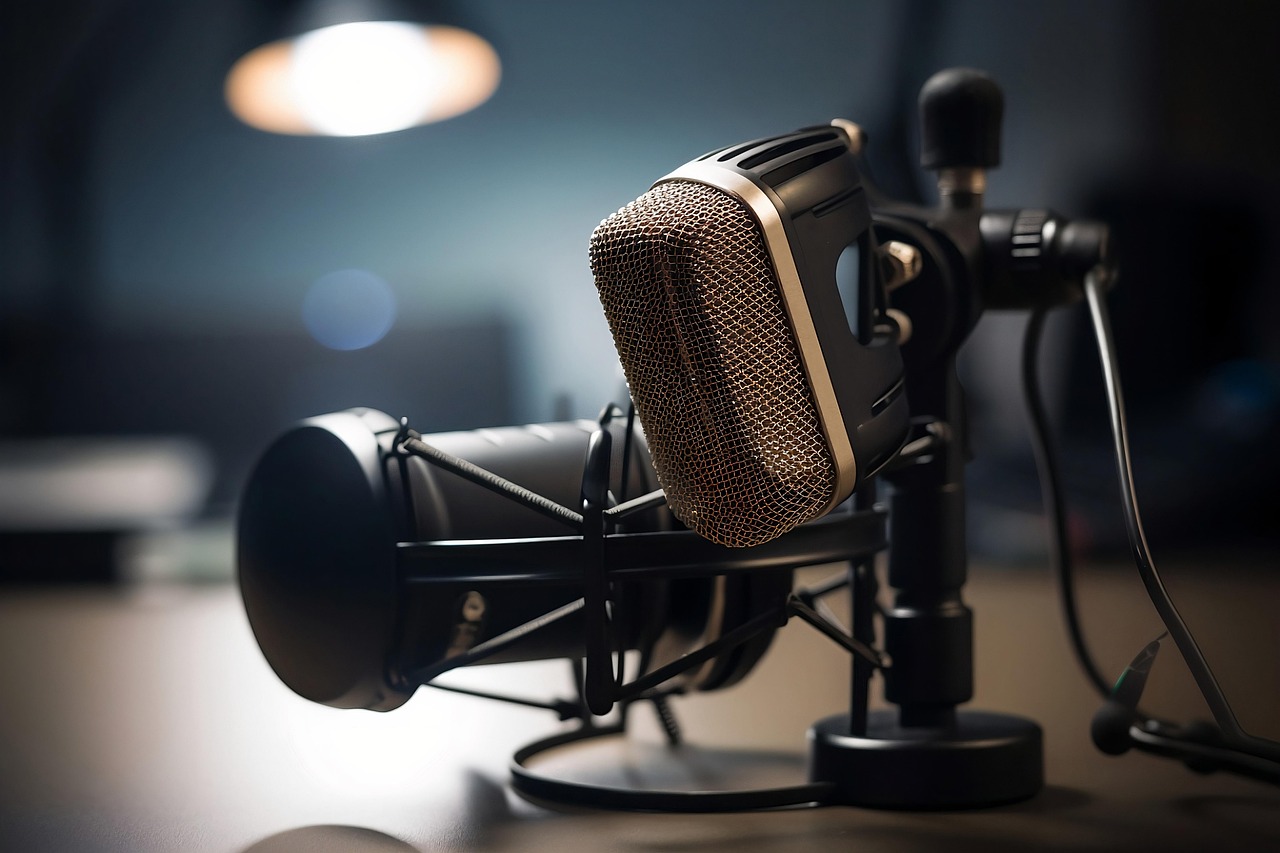
The Enduring Magic of Radio Waves ✨
Despite technological revolutions in media consumption, radio maintains its unique position in our lives. The medium’s simplicity, accessibility, and intimate connection between broadcaster and listener create experiences that algorithms and playlists cannot replicate.
Both AM and FM contribute essential elements to the radio ecosystem. AM’s reach and reliability serve communities spread across vast distances, while FM’s quality elevates music and entertainment programming. Together, they provide diverse content meeting virtually every listener’s needs.
As technology advances, traditional broadcasting adapts while retaining the core characteristics that have made it indispensable. Whether you’re tuning in for music, news, companionship, or emergency information, radio waves continue carrying voices and sounds that inform, entertain, and connect us all.
The next time you twist a radio dial or press a preset button, remember you’re participating in a technology that has transcended generations, connected communities, and proven its worth through countless innovations. Radio remains truly timeless in our ever-changing media landscape.
