Anúncios
In a world where borders fade and conversations cross continents in seconds, the role of a simultaneous interpreter has never been more crucial or fascinating.


The ability to translate spoken words from one language to another in real-time represents one of humanity’s most impressive linguistic achievements. Whether facilitating international diplomacy, corporate negotiations, or cultural exchanges, simultaneous interpreters bridge communication gaps that could otherwise create misunderstandings, missed opportunities, or even conflicts.
Anúncios
This specialized profession demands extraordinary cognitive abilities, lightning-fast thinking, and deep cultural awareness. But beyond the human element, technology has revolutionized how we approach simultaneous translation, making it accessible to millions worldwide through sophisticated apps and devices. Let’s explore this remarkable field from every angle.
🎯 What Exactly Is Simultaneous Translation?
Simultaneous translation occurs when an interpreter listens to a speaker in one language and immediately renders the message into another language, with minimal delay. Unlike consecutive interpretation, where the speaker pauses to allow translation, simultaneous interpretation happens in real-time, typically with only a few seconds’ lag.
Anúncios
This demanding practice requires interpreters to listen, comprehend, convert, and speak almost simultaneously. The cognitive load is immense, which is why professional interpreters typically work in pairs, switching every 20-30 minutes to maintain accuracy and prevent mental fatigue.
The process involves more than simple word-for-word conversion. Skilled interpreters must capture tone, intent, cultural nuances, and emotional context while navigating idioms, technical terminology, and varying speech patterns. It’s a remarkable demonstration of human linguistic capability.
💼 Where Simultaneous Interpreters Make a Difference
The demand for simultaneous interpretation spans numerous professional contexts. International organizations like the United Nations employ hundreds of interpreters who enable multilingual discussions among world leaders. Every speech, debate, and negotiation flows through these linguistic experts.
Corporate conferences and business meetings increasingly require interpretation services as companies expand globally. A pharmaceutical company launching products across continents, a tech firm coordinating international teams, or financial institutions navigating cross-border regulations all depend on accurate, immediate translation.
Medical settings present unique challenges where precision can literally save lives. Hospitals serving diverse populations rely on interpreters to ensure patients understand diagnoses, treatment options, and medication instructions without dangerous misunderstandings.
Legal proceedings demand certified interpreters who maintain accuracy while witnesses testify, lawyers argue cases, and judges issue rulings. The stakes are exceptionally high, as mistranslations could affect verdicts, settlements, or even freedom.
🧠 The Cognitive Superpowers Required
Becoming a professional simultaneous interpreter requires developing extraordinary mental abilities. The brain must split attention between listening comprehension and speech production, a feat that feels unnatural at first and demands extensive training.
Working memory capacity determines how much information an interpreter can hold while processing it. Research shows that skilled interpreters develop enhanced working memory through years of practice, enabling them to retain complex ideas while formulating translations.
Language proficiency extends far beyond conversational fluency. Interpreters must command extensive vocabulary across multiple domains, understand grammatical subtleties, and recognize regional variations or accents. Continuous learning becomes a career-long commitment.
Cultural competence separates adequate interpreters from exceptional ones. Understanding context, recognizing references, and adapting messages for cultural appropriateness ensures communication succeeds beyond mere word translation.
📱 How Technology Transformed Simultaneous Translation
Modern smartphones have democratized access to interpretation tools that would have seemed like science fiction a generation ago. Translation apps now use artificial intelligence and machine learning to provide instant spoken translation across dozens of languages.

These applications work by capturing audio through the device’s microphone, processing the speech through neural networks trained on billions of translated words, and outputting spoken translation in the target language. The entire process happens in seconds, creating an experience that closely mimics human interpretation.
Cloud-based processing enables these apps to leverage powerful servers that continuously improve through machine learning. Each translation contributes to training data that refines algorithms, gradually improving accuracy, naturalness, and contextual understanding.
Voice recognition technology has advanced dramatically, now handling various accents, background noise, and speech patterns with impressive accuracy. Combined with natural-sounding text-to-speech engines, modern apps deliver surprisingly smooth translation experiences.
🌍 Popular Languages and Translation Challenges
Not all language pairs translate with equal ease. Spanish-English translation benefits from substantial linguistic resources, extensive training data, and structural similarities that facilitate accurate machine translation. These common pairs typically deliver the most reliable results.
Languages with vastly different grammatical structures present greater challenges. Translating between English and Japanese involves navigating different word orders, contextual implications, and cultural conventions that algorithms struggle to capture fully.
Tonal languages like Mandarin Chinese add complexity, as meaning changes based on pitch variations that speech recognition systems must accurately detect. Regional dialects and colloquialisms further complicate matters, requiring robust training data from diverse sources.
Rare language pairs or indigenous languages often lack sufficient digital resources for effective machine translation. While technology improves constantly, these combinations still depend heavily on human interpreters with specialized knowledge.
✨ Choosing the Right Translation Tool for Your Needs
Selecting appropriate translation technology depends on your specific requirements. Casual travelers might prioritize broad language support and offline capability, while business professionals need accuracy with technical terminology and professional speech patterns.
Consider these factors when evaluating translation apps:
- Language coverage: Ensure your required languages are supported with high-quality translation
- Offline functionality: Essential for international travel where internet access may be limited
- Voice quality: Natural-sounding speech output improves communication flow
- Conversation mode: Two-way translation features facilitate back-and-forth dialogue
- Technical vocabulary: Specialized dictionaries for medical, legal, or industry-specific terms
- Privacy features: Understanding how your data is processed and stored
Free applications often provide surprisingly capable translation for everyday situations. Premium versions typically offer enhanced features like specialized vocabularies, priority processing, or ad-free experiences that matter in professional contexts.
🎓 Training Paths for Aspiring Interpreters
Professional interpretation requires formal education and extensive practical training. Most career interpreters hold university degrees in translation, interpretation, or linguistics, often supplemented with specialized certifications in their language pairs and subject areas.
Accredited interpretation programs provide structured curricula covering interpretation theory, practice techniques, ethics, and professional standards. Students spend hundreds of hours in interpretation booths, developing speed, accuracy, and endurance under realistic conditions.
Continuing education remains essential throughout an interpretation career. Language evolves constantly, new terminology emerges in specialized fields, and professional standards develop. Regular workshops, conferences, and certification renewals keep skills sharp and current.
Many interpreters specialize in particular domains like medical interpretation, legal proceedings, or conference interpretation. This specialization requires deep subject knowledge beyond linguistic ability, often involving additional coursework or credentials in the specialty area.
⚖️ Ethics and Professional Standards
Professional interpreters adhere to strict ethical codes governing confidentiality, accuracy, impartiality, and professional conduct. These standards protect all parties involved in interpreted communications and maintain the integrity of the profession.
Confidentiality obligations prevent interpreters from disclosing information learned during assignments. Whether translating medical diagnoses, business strategies, or legal testimony, interpreters must safeguard sensitive information with absolute discretion.
Accuracy represents the fundamental professional commitment. Interpreters strive to convey messages completely and precisely, without additions, omissions, or alterations. When uncertain about terminology or meaning, ethical interpreters acknowledge limitations rather than guessing.
Impartiality requires interpreters to remain neutral, translating all parties equally without favor or bias. Personal opinions about the content, participants, or outcomes must never influence translation choices or delivery.
🚀 The Future of Simultaneous Translation
Artificial intelligence continues advancing rapidly, with neural machine translation achieving impressive results that sometimes rival human performance in specific contexts. However, technology still struggles with nuance, cultural context, and complex situations where human judgment proves irreplaceable.
Hybrid models combining AI efficiency with human expertise represent a promising direction. Technology could handle routine translation tasks while human interpreters focus on complex, sensitive, or culturally nuanced communications requiring deeper understanding.
Wearable translation devices are emerging as convenient alternatives to smartphone apps. Earbuds that provide real-time translation directly into your ear create more natural conversation flows without the awkwardness of looking at screens.
Real-time video translation adds another dimension, potentially overlaying translated subtitles on video calls or even synthesizing lip movements to match translated speech. Such innovations could make cross-language video communication feel seamlessly natural.
💡 Maximizing Your Translation Experience
Whether using human interpreters or translation apps, certain practices improve communication quality. Speaking clearly at a moderate pace gives interpreters (human or digital) time to process and render accurate translations without rushing or requesting repetition.
Avoiding idioms, slang, and culturally specific references reduces confusion and improves translation accuracy. While skilled human interpreters can often navigate these challenges, both AI systems and less experienced interpreters may struggle with highly colloquial speech.
Providing context helps tremendously. When discussing technical subjects, identifying the field or providing reference materials enables more accurate terminology choices. Context also helps interpreters understand intent when words carry multiple possible meanings.
Confirming understanding through summaries or paraphrasing catches potential mistranslations before they cause problems. Asking “Did I understand correctly that…?” creates opportunities to clarify misunderstandings immediately.
🌟 Real-World Success Stories
Simultaneous translation has enabled countless meaningful connections that would otherwise remain impossible. Refugee families accessing healthcare through medical interpreters receive life-saving treatments they couldn’t have understood without linguistic assistance.
International business deals worth billions of dollars proceed smoothly thanks to interpreters who enable executives speaking different languages to negotiate complex terms, build trust, and forge partnerships across cultural divides.
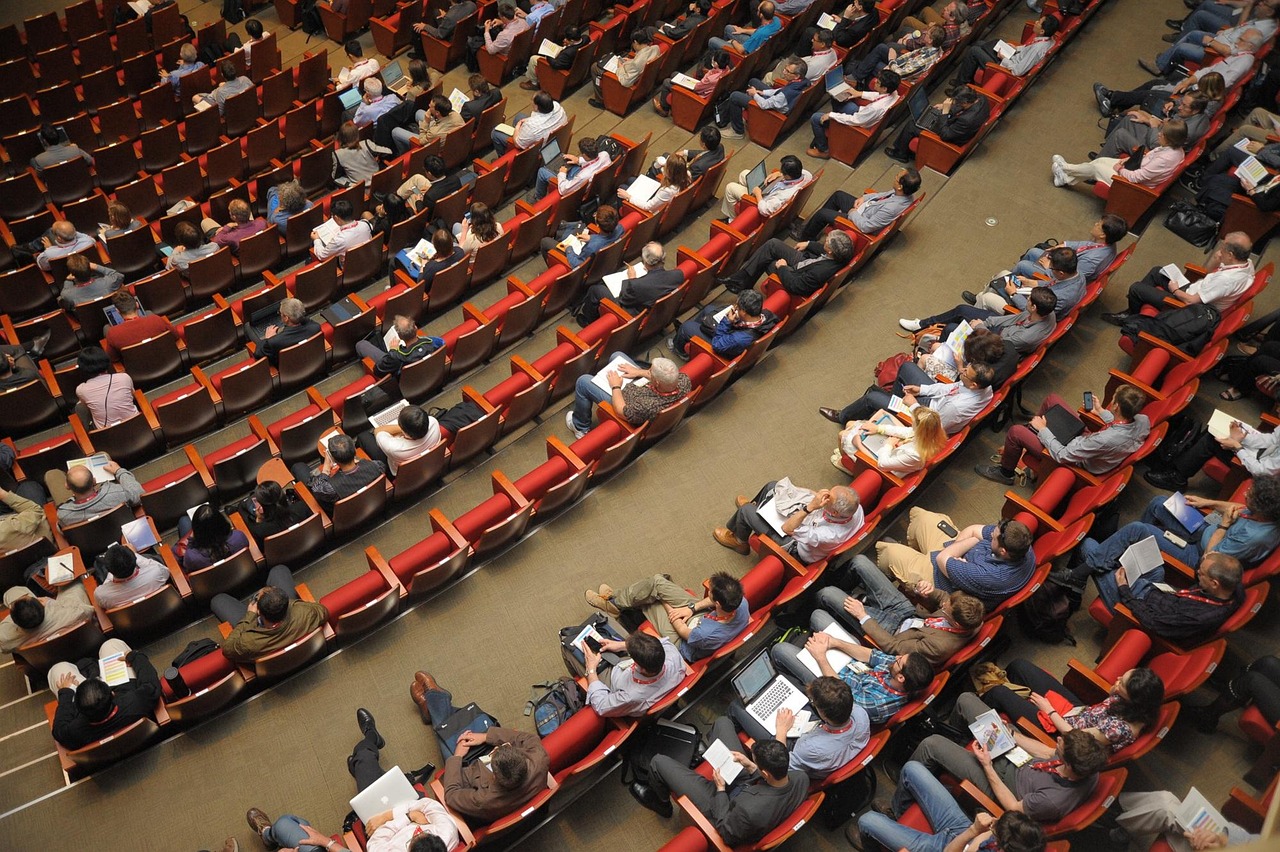
Scientific conferences bring together researchers from every continent, sharing discoveries and collaborating on solutions to global challenges. Simultaneous interpretation makes these exchanges possible, accelerating scientific progress through international cooperation.
Personal stories resonate deeply too. Travelers forming friendships across language barriers using translation apps, families reuniting after years of separation, students studying abroad—technology and human expertise combine to create these connections.
🔍 Understanding Limitations and Setting Realistic Expectations
Despite remarkable advances, simultaneous translation—whether human or automated—has inherent limitations worth acknowledging. Perfect translation rarely exists, as languages encode meaning differently and cultural concepts don’t always translate directly.
Machine translation struggles particularly with poetry, humor, wordplay, and emotional nuance that rely on subtle linguistic features. These remain domains where human interpreters demonstrate superiority through cultural knowledge and creative problem-solving.
Technical limitations affect app performance in noisy environments, with unclear speech, or when speakers have strong accents. While improving constantly, these practical challenges sometimes require patience and repeated attempts.
Legal and medical contexts demand certified human interpreters rather than apps, both for accuracy and liability reasons. Stakes are too high to risk misunderstandings that automated systems might produce despite their general capability.
The evolution of simultaneous translation reflects humanity’s deepest aspirations toward understanding across differences. Whether through the remarkable cognitive abilities of professional interpreters or the technological innovations making translation accessible to billions, we’re witnessing communication barriers dissolve in real-time. The future promises even more seamless connections, but the fundamental human desire to understand and be understood remains the driving force behind every translated word. As technology and human expertise continue advancing together, our increasingly connected world becomes genuinely multilingual, opening possibilities our ancestors could scarcely imagine.
