
Anúncios
Crochet is more than just a hobby—it’s a creative outlet, a mindful practice, and a vibrant community that spans generations worldwide.


From cozy blankets to intricate garments, crochet has captured the hearts of crafters everywhere. What once seemed like a traditional pastime reserved for grandmothers has transformed into a trending art form embraced by people of all ages. Social media platforms are flooded with stunning crochet creations, proving that this fiber art is experiencing a renaissance.
Anúncios
Whether you’re looking to reduce stress, create personalized gifts, or start a small business, crochet offers endless possibilities. The rhythmic motion of the hook moving through yarn creates not only beautiful items but also moments of calm in our increasingly hectic world. Let’s dive into everything you need to know about this wonderful craft. ✨
The Rich History Behind the Hook 🪡
Crochet’s exact origins remain somewhat mysterious, though historians believe it developed in the 19th century. Unlike knitting, which has ancient roots, crochet as we know it today emerged relatively recently in human history. The word “crochet” itself comes from the French term for “small hook,” which perfectly describes the essential tool of this craft.
Anúncios
Early crochet was often used to imitate expensive lace, making decorative textiles accessible to those who couldn’t afford handmade lace. Irish crochet, in particular, became famous during the Irish Potato Famine as a way for families to generate income. These intricate pieces were exported worldwide and remain highly valued today.
Throughout the 20th century, crochet evolved from purely functional work to include artistic expression. The 1970s saw a surge in crochet’s popularity, with colorful granny squares adorning everything from vests to home décor. Today’s crochet revival combines traditional techniques with contemporary design sensibilities.
Essential Tools and Materials Every Crocheter Needs 🧶
Starting your crochet journey doesn’t require a massive investment. The beauty of this craft lies in its simplicity—you really only need a hook and some yarn to begin creating.
Crochet Hooks: Your Primary Tool
Hooks come in various sizes, materials, and styles. Size matters tremendously in crochet, as it directly affects the gauge and final appearance of your project. Hooks are measured in millimeters internationally or by letter/number systems in the United States.
Common hook materials include aluminum, plastic, bamboo, and ergonomic designs with cushioned handles. Beginners often start with a 5mm (H/8) hook, which works well with medium-weight yarn and is comfortable to hold.
Choosing the Right Yarn
Yarn selection can feel overwhelming with countless options available. Weight categories range from lace (super fine) to jumbo, each suited for different projects. Acrylic yarn is budget-friendly, durable, and perfect for practice. Cotton works beautifully for dishcloths and summer garments, while wool provides warmth and elasticity.
Pay attention to the yarn label, which contains valuable information about weight, recommended hook size, care instructions, and yardage. This information ensures your project turns out as expected and lasts through proper washing.
Additional Helpful Tools
- Stitch markers: Keep track of rounds and pattern repeats
- Tapestry needles: Weave in ends and sew pieces together
- Scissors: Sharp, dedicated craft scissors work best
- Measuring tape: Essential for checking gauge and sizing
- Row counter: Helps track progress on complex patterns
Fundamental Stitches That Build Everything 🔗
All crochet projects, no matter how complex, are built from a handful of basic stitches. Mastering these foundational techniques opens up infinite creative possibilities.
The Slip Knot and Chain Stitch
Every crochet project begins with a slip knot—the anchor that holds your work to the hook. The chain stitch follows, creating the foundation row upon which all other stitches are built. Think of chains as the scaffolding of your project.
Practice creating even, consistent chains. Too tight, and you’ll struggle to work into them; too loose, and your work becomes sloppy. Finding that perfect tension takes time but makes all the difference.
Single Crochet: The Building Block
Single crochet (abbreviated as “sc”) creates a tight, dense fabric perfect for amigurumi, bags, and structured garments. This short stitch produces minimal drape but maximum durability.
Double Crochet: Adding Height
Double crochet (dc) works up faster than single crochet and creates a more flexible fabric with lovely drape. This stitch is incredibly versatile, appearing in everything from blankets to shawls.
Half Double Crochet: The Perfect Middle Ground
As the name suggests, half double crochet (hdc) falls between single and double crochet in height. It creates a beautiful texture and is excellent for projects where you want some structure with a bit of give.

Reading Crochet Patterns Like a Pro 📖
Crochet patterns can appear intimidating at first glance, filled with abbreviations and numbers that seem like a secret code. Understanding pattern language transforms confusion into confidence.
Patterns typically include a materials list, gauge information, abbreviations key, and step-by-step instructions. Gauge—the number of stitches and rows per inch—is crucial for sized projects like garments. Ignoring gauge can result in items that don’t fit properly.
Abbreviations save space but require learning. Common ones include ch (chain), sc (single crochet), dc (double crochet), st (stitch), and rep (repeat). Brackets and parentheses indicate repetition, while asterisks mark pattern repeats.
Many modern patterns include helpful features like stitch counts at the end of each row, photo tutorials, and video links. Don’t hesitate to use multiple resources when learning a new technique or tackling a challenging pattern.
Beginner-Friendly Projects to Start Your Journey 🌟
Starting with appropriate projects builds confidence and develops skills progressively. Choose simple patterns that teach fundamental techniques without overwhelming complexity.
Dishcloths and Washcloths
These small, practical items are perfect first projects. They work up quickly, require minimal yarn, and tolerate mistakes gracefully. Plus, you’ll end up with useful items for your home or thoughtful handmade gifts.
Simple Scarves
A basic scarf is essentially a long rectangle, making it ideal for practicing consistent tension and stitch work. You can experiment with different stitches or stick with a single stitch throughout.
Granny Squares
These classic motifs teach working in the round, color changing, and joining pieces. Once you’ve made several squares, you can join them into blankets, bags, or even garments. The possibilities are genuinely endless.
Headbands and Ear Warmers
Quick to complete and highly customizable, headbands let you practice shaping and finishing techniques. They also make excellent gifts and can be adapted for any season.
The Therapeutic Benefits of Crochet 🧘♀️
Beyond creating beautiful objects, crochet offers remarkable mental and physical health benefits. Research increasingly supports what crocheters have long known intuitively—this craft promotes wellbeing.
The repetitive motions of crochet activate the same neurological pathways as meditation, reducing stress hormones and promoting relaxation. Many people find that crocheting helps manage anxiety, providing a calming focus during difficult times.
Crochet also improves hand-eye coordination and fine motor skills. For older adults, these benefits can help maintain dexterity and cognitive function. The concentration required keeps the mind engaged and sharp.
Creating something tangible provides a sense of accomplishment that boosts mood and self-esteem. Completing a project, whether simple or complex, generates genuine pride and satisfaction that’s increasingly rare in our digital world.
Building Community Through Yarn 👥
One of crochet’s greatest gifts is the welcoming, supportive community it fosters. Both online and in-person, crocheters share knowledge, encouragement, and friendship.
Social media platforms host thriving crochet communities where makers share finished projects, ask questions, and find inspiration. Instagram, Pinterest, and YouTube offer endless tutorials, pattern ideas, and connection opportunities.
Local yarn shops often host stitch-and-chat groups where crafters gather to work on projects together. These gatherings provide social interaction, skill-sharing, and accountability for completing projects. Many lasting friendships form over shared yarn and hooks.
Charity crochet connects makers with meaningful causes. Organizations coordinate efforts to create blankets for homeless shelters, hats for cancer patients, and countless other items that bring comfort to those in need.
Advanced Techniques to Expand Your Skills 🚀
Once you’ve mastered the basics, numerous advanced techniques await exploration. Each adds new dimensions to your creative repertoire.
Colorwork and Tapestry Crochet
Incorporating multiple colors transforms simple stitches into intricate designs and patterns. Tapestry crochet carries unused colors inside stitches, creating reversible fabric with geometric patterns or pictorial designs.
Tunisian Crochet
This hybrid technique combines elements of knitting and crochet using a long hook. It creates unique fabric textures and opens up entirely new pattern possibilities. Many describe it as offering “the best of both worlds.”
Amigurumi: The Art of Crocheted Toys
These adorable stuffed creatures have captured crafters’ imaginations worldwide. Working primarily in single crochet rounds, amigurumi teaches shaping, increasing, decreasing, and assembly skills. The results range from simple balls to elaborate character dolls.
Garment Construction
Creating wearable items requires understanding shaping, sizing, and construction methods. Start with simple tops or cardigans before tackling complex sweaters with intricate stitch patterns and precise fit requirements.
Turning Your Passion Into Profit 💰
Many crocheters wonder whether they can monetize their hobby. While building a profitable crochet business requires dedication, it’s entirely possible with the right approach.
Selling finished items at craft fairs, through Etsy shops, or on social media represents one path. Price your work appropriately, accounting for materials, time, and expertise. Remember that handmade items command premium prices over mass-produced alternatives.
Pattern design offers another avenue. If you enjoy creating original designs, selling digital patterns generates passive income. Clear instructions, professional photography, and thorough testing ensure customer satisfaction and positive reviews.
Teaching crochet through online courses, local classes, or YouTube tutorials shares your knowledge while generating income. Many successful crochet entrepreneurs combine multiple revenue streams for sustainable businesses.
Sustainable Crafting and Eco-Conscious Choices 🌱
As awareness of environmental issues grows, many crocheters seek sustainable practices within their craft. Fortunately, numerous options exist for eco-conscious makers.
Choose natural fibers like organic cotton, bamboo, or wool from ethical sources. These materials biodegrade unlike synthetic alternatives and often come from renewable resources with lower environmental impact.
Upcycling and using recycled yarn reduces waste. Cut old t-shirts into continuous strips for “plarn” (plastic yarn), unravel thrift store sweaters for reusable yarn, or purchase yarn made from recycled materials.
Supporting small, ethical yarn producers ensures fair labor practices and quality materials. Research brands’ sustainability commitments and choose those aligned with your values.
Overcoming Common Challenges and Frustrations 😤
Every crocheter encounters obstacles along their journey. Recognizing common challenges and knowing how to address them prevents discouragement.
Tension issues plague many beginners. Too tight, and your fabric becomes stiff and difficult to work with; too loose, and holes appear everywhere. Practice with different hook sizes and yarn weights until you find your natural tension sweet spot.
Counting stitches prevents many headaches. Losing count midway through a row leads to projects that don’t lay flat or match pattern dimensions. Use stitch markers liberally and verify counts frequently.
Frogging (ripping out stitches) feels discouraging but represents an essential skill. Mistakes happen—accepting this reality and learning to fix errors gracefully makes you a better crocheter. Sometimes starting over produces better results than struggling forward with mistakes.
The Future of Crochet: Where This Craft Is Headed 🔮
Crochet continues evolving, embracing technology while honoring tradition. Digital resources make learning more accessible than ever, with video tutorials, interactive patterns, and online communities supporting makers worldwide.
Modern designers push creative boundaries, creating haute couture garments, large-scale installations, and innovative home décor that challenges perceptions of what crochet can be. Museums and galleries increasingly recognize fiber arts as legitimate artistic mediums.
Sustainability concerns drive interest in handmade, durable items that counter fast fashion’s disposable culture. Crochet offers an antidote—creating quality pieces meant to last and be cherished for years.
Younger generations discover crochet through social media, bringing fresh perspectives and contemporary aesthetics. This intergenerational craft bridges age gaps, connecting people through shared creative passion.
Making Crochet Part of Your Daily Life 🏠
Integrating crochet into your routine doesn’t require hours of dedicated time. Even short sessions provide creative satisfaction and stress relief.
Keep a portable project—something simple that doesn’t require pattern-reading—for waiting rooms, commutes, or television watching. These “mindless” projects provide relaxation without demanding intense concentration.
Set realistic goals based on available time and energy. Completing one small project monthly feels more achievable than ambitious plans that lead to UFOs (UnFinished Objects) piling up.
Create a dedicated crafting space, even if it’s just a basket beside your favorite chair. Having tools and materials readily accessible removes barriers to spontaneous creativity.
Remember that crochet should bring joy, not pressure. Some days you’ll crochet for hours; others, not at all. Both are perfectly fine. This craft serves you—not the other way around.
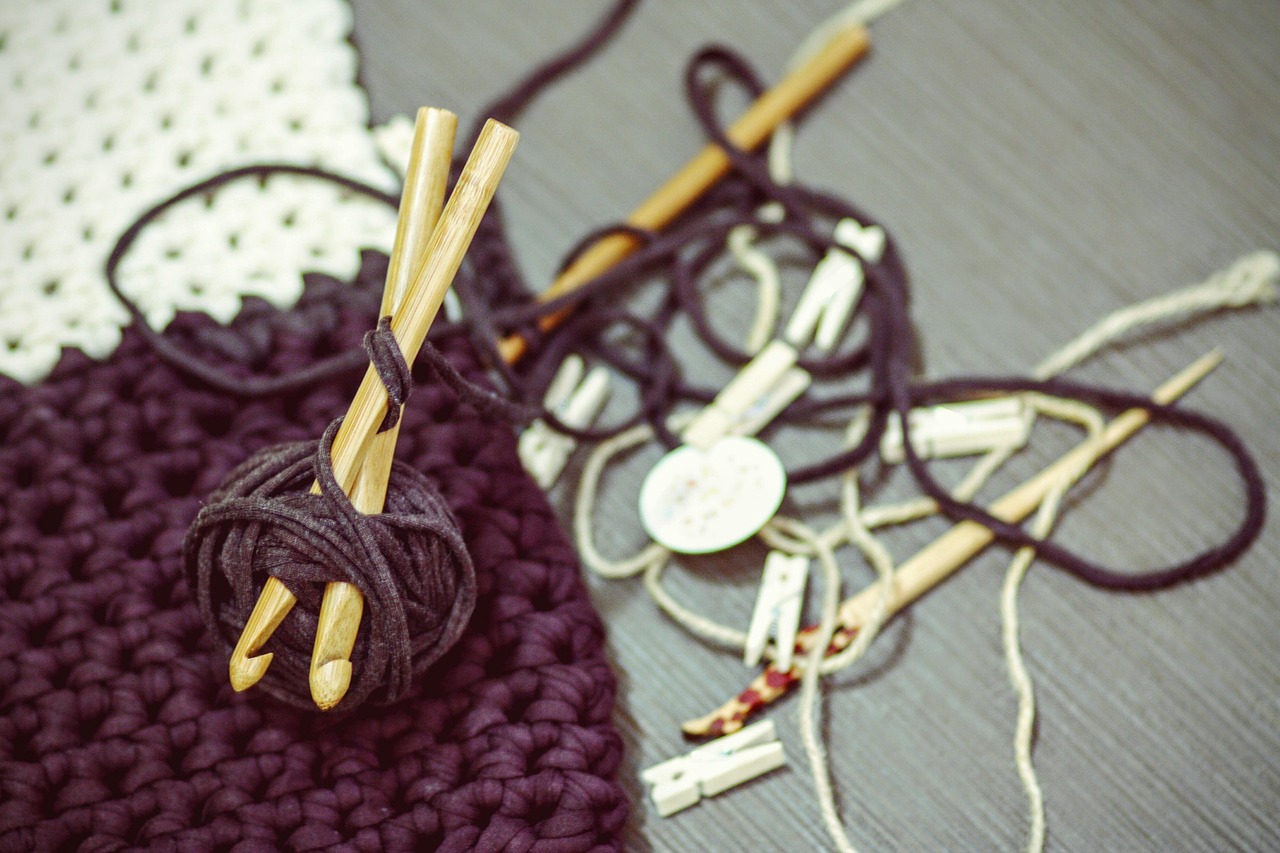
Your Hook, Your Journey, Your Creations ✨
Crochet offers something truly special in our fast-paced digital world—a chance to slow down, create with your hands, and produce something tangible and beautiful. Whether you’re drawn to the meditative rhythm, the creative expression, the practical results, or the vibrant community, there’s room for you in this craft.
Every expert crocheter once struggled with their first chain stitch. Progress comes through practice, patience, and persistence. Embrace the learning process, celebrate small victories, and don’t compare your beginning to someone else’s middle.
The projects you create tell your story—each stitch a small decision, each finished piece a tangible achievement. From simple dishcloths to complex garments, everything you make with your own hands carries meaning and value that store-bought items simply cannot match.
Pick up that hook, choose some yarn that makes you smile, and start creating. The crochet community welcomes you with open arms and endless support. Your creative journey begins with a single loop—where it leads is entirely up to you. Happy crocheting! 🧶💕
