
Anúncios
The tape measure, known as “trena” in Portuguese and Spanish-speaking countries, is one of the most essential tools in construction, carpentry, design, and everyday life tasks requiring precise measurements.


From professional contractors to DIY enthusiasts, the tape measure has become an indispensable companion in countless projects. Its simple yet brilliant design allows users to obtain accurate measurements quickly and efficiently, making it a staple in toolboxes worldwide. Whether you’re hanging a picture frame, building a deck, or designing furniture, understanding how to select and use the right measuring tape can dramatically improve your results.
Anúncios
Modern tape measures have evolved significantly from their humble origins, incorporating advanced materials, ergonomic designs, and innovative features that enhance accuracy and usability. As we explore the world of tape measures, you’ll discover the rich history, diverse types, practical applications, and smart selection criteria that will help you make informed decisions for your measurement needs. 📏
The Fascinating Evolution of Measuring Tapes
The history of the tape measure stretches back further than most people realize. Early civilizations used rudimentary measuring tools made from ropes, chains, and cloth strips to establish property boundaries and construct buildings. The ancient Egyptians famously used knotted ropes to measure and plan the construction of their magnificent pyramids.
Anúncios
The first spring-loaded, retractable tape measure was patented in 1868 by Alvin J. Fellows in New Haven, Connecticut. This revolutionary invention transformed the construction and tailoring industries by providing a portable, convenient measurement solution. Before this innovation, workers relied on rigid rulers or unwieldy cloth tapes that were difficult to manage on job sites.
Throughout the 20th century, manufacturers continuously refined tape measure designs, introducing features like automatic blade return, locking mechanisms, and improved blade materials. The Stanley Works, founded in 1843, became particularly influential in popularizing durable steel tape measures that could withstand harsh working conditions. Today’s tape measures benefit from decades of engineering improvements, offering unprecedented accuracy and longevity.
Understanding Different Types of Tape Measures 🔧
Not all tape measures are created equal. The market offers numerous specialized designs tailored to specific applications and user preferences. Choosing the right type ensures optimal performance for your particular needs.
Retractable Steel Tape Measures
These are the most common type found in households and professional toolkits. Featuring a curved steel blade housed in a compact case, they typically range from 12 to 35 feet in length. The blade’s concave shape provides rigidity when extended, allowing measurements without requiring support at the far end. Quality models include auto-lock mechanisms, belt clips, and protective rubber casings that absorb impact from drops.
Long-Distance Measuring Tapes
Also called surveyor’s tapes or reel tapes, these tools extend from 50 to 300 feet or more. They feature flat blades wound around an open reel or enclosed in a housing. Construction professionals use these for laying out building foundations, measuring property lines, and establishing grading elevations. Many long tapes include folding handles for easier rewinding.
Pocket Tape Measures
Compact versions typically measuring 10 to 16 feet in length fit comfortably in pockets or small tool pouches. These are perfect for quick measurements around the home, furniture shopping, or light renovation projects. Despite their small size, quality pocket tapes maintain excellent accuracy and durability.
Laser Distance Meters
While technically not tape measures, these digital devices have revolutionized distance measurement. Using laser technology, they instantly calculate distances up to several hundred feet with remarkable precision. Many models store measurements, calculate area and volume, and transfer data to smartphones via Bluetooth. They’re particularly valuable for measuring inaccessible spaces or when working alone.

Tailor’s Measuring Tapes
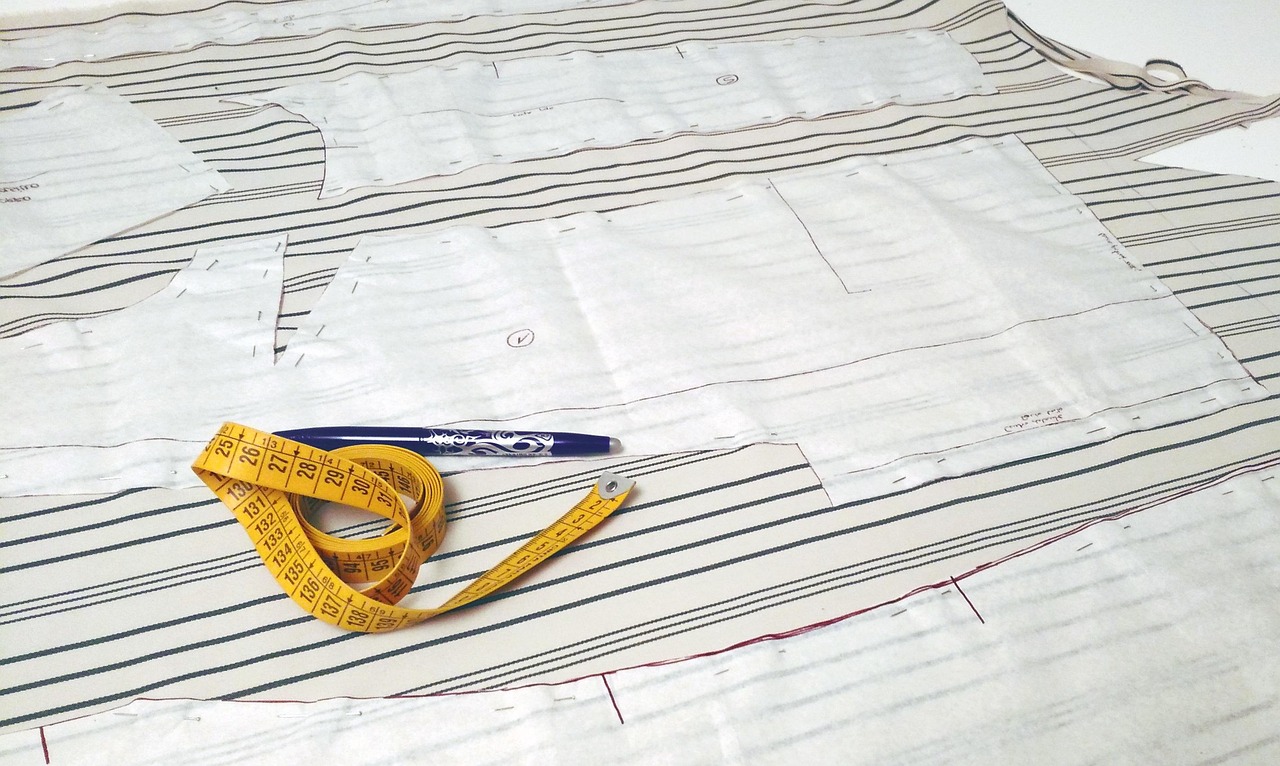
Made from flexible fabric, vinyl, or fiberglass, these soft tapes conform to curved surfaces and body contours. Fashion designers, tailors, and healthcare professionals rely on these for accurate body measurements. They typically extend 60 to 120 inches and feature measurement markings on both sides for convenience.
Key Features That Define Quality Tape Measures
When shopping for a tape measure, several critical features distinguish superior products from mediocre ones. Understanding these characteristics helps you invest in tools that deliver reliable performance over extended periods.
Blade Material and Coating: Premium tape measures use high-carbon steel blades with protective coatings that resist corrosion, scratches, and wear. Some manufacturers apply nylon or polyester coatings that extend blade life significantly. The coating also makes measurement markings more legible by providing contrast and protecting the printed numbers from fading.
Standout Distance: This refers to how far the blade extends horizontally before bending or collapsing. Professional-grade tape measures often feature standout distances exceeding 10 feet, allowing solo workers to measure long spans without assistance. The blade’s width and thickness directly influence standout capability.
Blade Width: Wider blades (typically 1 to 1.25 inches) provide better standout and easier readability but create bulkier housings. Narrower blades suit compact designs but may lack rigidity for extended measurements. Consider your primary applications when evaluating blade width.
Hook Design: The metal tab at the blade’s end must be precisely engineered to account for both inside and outside measurements. Quality hooks feature rivets that allow minimal movement to compensate for the hook’s thickness. Magnetic hooks are increasingly popular, allowing hands-free attachment to metal surfaces. ✨
Locking Mechanism: Reliable blade locks prevent unwanted retraction during measurements. Toggle locks, slide locks, and automatic locks each offer distinct advantages. Test the lock’s ease of operation and holding strength before purchasing.
Professional Applications Across Industries
Tape measures serve countless professions, each demanding specific features and capabilities. Understanding these specialized applications illustrates the tool’s remarkable versatility.
Construction and Carpentry
Builders rely on tape measures for literally every aspect of construction, from initial site surveys to final trim installation. Carpenters frequently use tape measures with easy-to-read fractional markings and durable housings that survive harsh job site conditions. Many construction professionals prefer 25 or 30-foot tapes with 1-inch wide blades for optimal standout.
Interior Design and Space Planning
Designers measure room dimensions, furniture placements, and window treatments to create functional, aesthetically pleasing spaces. They often use both traditional tape measures and digital laser meters for comprehensive space documentation. Accurate measurements ensure custom furniture fits perfectly and renovations proceed without costly mistakes.
Real Estate and Property Management
Real estate agents measure room sizes for property listings, while appraisers document square footage for valuation purposes. Property managers use tape measures during move-in inspections and maintenance evaluations. Long-distance tapes help establish lot boundaries and measure exterior dimensions.
Manufacturing and Quality Control
Production facilities maintain strict dimensional tolerances, requiring precise measurement tools. Quality control technicians use tape measures alongside calipers and micrometers to verify product specifications. Many manufacturing environments demand specialized tape measures with metric-only markings or digital readouts.
Mastering Measurement Techniques for Accuracy 📐
Owning a quality tape measure means little without proper measurement techniques. These best practices ensure consistent, accurate results across all your projects.
Hook Engagement: Always ensure the end hook catches securely on the material edge. For inside measurements (such as between walls), push the tape case firmly against one surface and add the case length to the blade reading. Most cases display this dimension on their exterior.
Blade Tension: Keep the blade taut during measurements to prevent sagging, which introduces errors. For long distances, have an assistant hold the far end or use the hook’s magnetic feature on metal surfaces. Wind and movement can affect extended blades, so measure during calm conditions when possible.
Eye Level Reading: View measurement markings at eye level perpendicular to the blade to avoid parallax errors. Reading from an angle distorts the apparent position of the measurement line against the object being measured.
Multiple Measurements: For critical dimensions, measure twice or three times to verify accuracy. Slight variations in hook placement or blade tension can produce different readings. Professional contractors habitually double-check measurements before cutting expensive materials.
Marking Techniques: Rather than trying to remember measurements, mark directly on materials using pencils, chalk, or marking knives. Write the measurement near complex layouts to avoid confusion when working with multiple dimensions simultaneously.
Maintenance Tips for Longevity and Performance
Proper care extends tape measure lifespan and maintains measurement accuracy. These simple maintenance practices protect your investment and ensure reliable performance.
Clean the blade periodically by extending it fully and wiping with a slightly damp cloth to remove sawdust, dirt, and debris. Accumulated grime can interfere with smooth retraction and obscure measurement markings. Avoid using harsh solvents that might damage protective coatings or printed numbers.
Never allow the blade to snap back violently into the housing. This practice damages the return spring, bends the blade, and can injure nearby people. Instead, guide the blade back with gentle pressure while maintaining slight tension. This controlled return significantly extends spring life.
Store tape measures in dry environments when not in use. Moisture promotes rust on steel blades and can degrade the internal spring mechanism. If your tape measure gets wet on a job site, extend the blade fully afterward and allow it to air dry before retracting.
Inspect the end hook regularly for damage or looseness. The hook must move slightly to compensate for its thickness during inside versus outside measurements. However, excessive play indicates worn rivets that compromise accuracy. Replace damaged hooks promptly or retire the tape measure if replacement parts aren’t available. 🛠️
Protect the tape measure housing from impacts by using the integrated belt clip and avoiding drops from heights. Cracked housings can allow dirt infiltration and may fail to protect internal components. Quality cases feature rubber overmolding that absorbs shock, but no housing is indestructible.
Choosing the Perfect Tape Measure for Your Needs
With countless models available, selecting the ideal tape measure requires evaluating your specific requirements against available features and budget constraints.
Length Considerations: Match the tape length to your typical projects. Homeowners performing general maintenance find 16 to 25-foot tapes sufficient, while contractors often need 30 to 35-foot models. Longer tapes add weight and bulk, so avoid purchasing excessive length you won’t regularly use.
Measurement Systems: Decide whether you need imperial (inches/feet), metric (centimeters/meters), or dual-marked blades. In the United States, imperial measurements dominate construction, while many other countries use metric exclusively. Scientists and engineers often prefer metric for easier calculations.
Durability Requirements: Professional tradespeople should invest in heavy-duty models with reinforced housings, replaceable components, and lifetime warranties. DIY users can opt for lighter-duty versions that balance performance with affordability. Consider how frequently you’ll use the tool and in what conditions.
Special Features: Evaluate whether you’d benefit from magnetic hooks, fractional markings, decimal readouts, or other specialized features. Some tapes include built-in pencil sharpeners, notepads, or multiplication tables for calculating board feet. While convenient, these additions increase cost and complexity.
Brand Reputation: Established manufacturers like Stanley, Milwaukee, Lufkin, and Tajima have earned reputations for quality and reliability. Their products typically cost more than unknown brands but deliver superior performance and customer support. Reading reviews from users with similar applications provides valuable insights.
Digital Innovation: Smartphone Measuring Apps
Technology has introduced virtual measuring capabilities through smartphone applications that utilize device cameras and sensors. While not replacing traditional tape measures for precision work, these apps offer surprising utility for quick estimates and preliminary planning.
Augmented reality (AR) measuring apps overlay virtual tape measures on camera views, allowing users to measure objects and spaces without physical contact. Advanced algorithms calculate distances using the phone’s movement sensors and camera calibration. These tools excel at measuring furniture dimensions while shopping, estimating room sizes during property viewings, or planning renovations remotely.
Accuracy varies depending on the app quality, phone model, and measurement technique. Professional users should verify app measurements with traditional tools before making critical decisions or expensive purchases. However, for everyday tasks like determining whether furniture fits through doorways or estimating paint quantities, smartphone measuring apps provide convenient, accessible solutions. 📱
Safety Considerations When Using Tape Measures
Despite their seemingly benign nature, tape measures can cause injuries when handled carelessly. Awareness of potential hazards and safe operating practices prevents accidents.
The blade’s edges are sharp enough to cut skin, particularly when retracting rapidly. Never allow the blade to slide through your hand during retraction. Children should use tape measures only under adult supervision and should be taught proper handling techniques.
Extended blades can contact electrical wiring in walls or ceiling spaces. Metal blades conduct electricity, creating shock hazards when touching live circuits. Before measuring in areas containing electrical components, verify circuits are de-energized or use non-conductive fiberglass tapes.
Falling tape measures pose hazards in elevated work areas. Secure the tool to your belt or work platform to prevent drops that could injure people below or damage the tape measure. Many professionals use tool lanyards that allow working at heights while preventing dangerous falls.
Environmental Impact and Sustainable Choices 🌿
As environmental consciousness grows, manufacturers are developing more sustainable tape measure options that reduce ecological impact without compromising performance.
Some companies now use recycled materials in housing construction and packaging. Others have eliminated toxic coatings and finishes in favor of environmentally friendly alternatives. Choosing durable, repairable models over disposable options reduces waste and conserves resources.
When tape measures reach end-of-life, recycling the metal components prevents valuable materials from entering landfills. Many scrap metal recyclers accept old tape measures, though you may need to separate the steel blade from plastic housings. Supporting brands committed to sustainable manufacturing practices encourages broader industry adoption of eco-friendly approaches.
The Future of Measurement Technology
Innovation continues advancing measurement tools toward greater accuracy, connectivity, and intelligence. Emerging technologies promise to transform how professionals and hobbyists approach dimensional documentation.
Smart tape measures with integrated Bluetooth connectivity transfer measurements directly to smartphones, tablets, and computers. These tools eliminate transcription errors and enable real-time project documentation. Some models include voice recording capabilities that allow users to annotate measurements with spoken notes.
3D scanning technology is becoming more accessible, allowing users to create detailed digital models of spaces and objects. While currently expensive for most consumers, prices continue declining as the technology matures. These systems will eventually complement or replace traditional measurement methods for complex projects requiring extensive documentation.
Artificial intelligence integration may soon enable tape measures to suggest optimal cutting lists, detect measurement errors, and provide project guidance based on accumulated data. As tools become smarter and more connected, they’ll evolve from simple measurement devices into comprehensive project management systems.
Making Measurements Matter in Your Projects 🎯
Ultimately, the tape measure represents more than just a tool—it embodies the precision and planning essential to successful projects. Whether you’re a professional tradesperson or an enthusiastic DIYer, developing measurement skills and selecting appropriate tools empowers you to tackle projects with confidence.
Understanding your tape measure’s capabilities and limitations ensures you extract maximum value from this humble yet indispensable tool. Regular practice with proper measurement techniques builds competence and accuracy that translate directly into better project outcomes. Taking time to measure carefully prevents costly mistakes and reduces material waste.
As you embark on your next project, remember that precision begins with quality tools and sound techniques. Invest in a tape measure that matches your needs, maintain it properly, and approach each measurement with focus and care. These simple practices distinguish exceptional work from merely adequate results, transforming your vision into reality with accuracy and confidence that only proper measurement can provide.
