
Anúncios
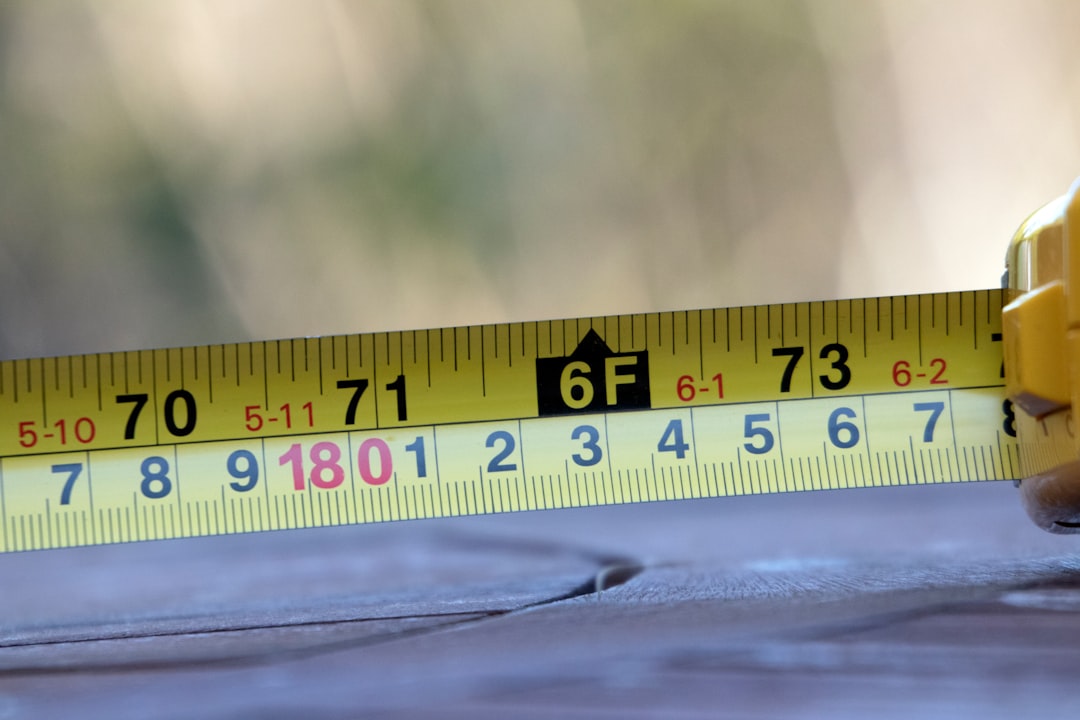
A tape measure, commonly known as a trena, is an essential tool found in toolboxes worldwide, serving professionals and DIY enthusiasts in countless measuring tasks.


Whether you’re a carpenter framing a house, an interior designer planning a room layout, or simply hanging pictures at home, understanding how to properly use and select a tape measure can make the difference between precision and costly mistakes. This versatile measuring instrument has evolved significantly since its invention, now available in various formats from traditional retractable models to advanced digital versions.
Anúncios
In this comprehensive guide, we’ll explore everything you need to know about tape measures—from their fascinating history and different types to practical usage tips and maintenance advice. By the end, you’ll have the knowledge to choose the right measuring tool for your specific needs and use it with professional-level accuracy. 📏
The Evolution of the Tape Measure Through History
The tape measure as we know it today has a surprisingly rich history dating back centuries. Early civilizations used knotted ropes and marked sticks for measurements, but the flexible ruler concept emerged during the Renaissance period when tailors needed portable measuring tools for their craft.
Anúncios
The modern retractable tape measure was patented in 1868 by Alvin J. Fellows, revolutionizing how people approached measurement tasks. His spring-loaded design allowed for easy extension and retraction, making it far more practical than previous rigid rulers or cumbersome measuring chains.
Throughout the 20th century, innovations continued with the introduction of metal tapes that resisted wear, locking mechanisms for hands-free measuring, and magnetic tips for metalworking applications. Today’s digital tape measures represent the latest evolution, combining traditional functionality with electronic precision and memory features.
Understanding Different Types of Tape Measures 🔧
Not all tape measures are created equal, and selecting the appropriate type for your project is crucial for achieving accurate results. Let’s explore the main categories available in today’s market.
Retractable Pocket Tape Measures
These are the most common type found in households and professional toolboxes. Featuring a spring-loaded mechanism housed in a compact case, they typically range from 12 to 35 feet in length. The blade is usually made of steel with a protective coating to prevent rust and extend durability.
Most quality retractable tapes include a locking mechanism that holds the blade at any desired length, allowing for one-handed operation. The hook at the end is designed with slight movement—this isn’t a defect but rather an intentional feature that accounts for accurate inside and outside measurements.
Long-Distance Reel Tape Measures
When projects require measurements beyond 35 feet, reel tapes become necessary. These open-frame or enclosed models can extend from 50 to 300 feet or more, making them ideal for surveying, construction layout, and property measurement tasks.
Professional reel tapes often feature fiberglass or steel blades with reinforced tips. They require two people for optimal use on longer distances and provide exceptional accuracy when properly tensioned.
Digital Tape Measures
Technology has transformed traditional measuring with digital tape measures that display readings on LCD screens. Many models offer unit conversion, memory storage, and calculation features that streamline complex measuring tasks.
Some advanced versions include laser distance meters combined with tape functionality, providing versatility for both contact and remote measurements. These tools are particularly valuable for professionals who need to document measurements electronically.

Specialty Measuring Tapes
Certain professions require specialized tape measures designed for specific applications. Tailor’s tapes are flexible cloth or vinyl measuring strips perfect for body measurements and curved surfaces. Diameter tapes calculate circumference measurements for pipes and trees. Medical tapes feature specific markings for healthcare applications.
Key Features to Consider When Choosing a Tape Measure
Selecting the right tape measure involves understanding which features matter most for your intended use. Here are the critical factors to evaluate before making a purchase.
Blade Width and Standout
Blade width directly affects standout—the distance the tape extends before bending or collapsing under its own weight. Wider blades (typically 1 inch or more) provide greater standout, allowing you to measure longer distances single-handedly without the blade buckling.
For general household use, a 3/4-inch blade offers sufficient standout for most tasks. Professional contractors often prefer 1 to 1-1/4 inch blades for extended reach when measuring across rooms or framing applications.
Length Capacity
Consider the typical distances you’ll measure regularly. For home projects, a 25-foot tape handles most situations comfortably. Construction professionals often carry 30 or 35-foot models for versatility across different job site scenarios.
Remember that longer tapes become heavier and bulkier, so balance capacity with portability based on your actual needs rather than simply choosing the longest option available.
Durability and Build Quality
The case material affects longevity significantly. Rubberized or reinforced plastic cases withstand drops and rough handling better than basic plastic housings. Look for impact-resistant designs if you work in demanding environments.
Blade coating matters too—nylon or polymer coatings protect against scratches, chemicals, and moisture. Some premium models feature multi-layer coatings that resist up to ten times more abrasion than standard painted blades.
Marking and Readability
Clear, high-contrast markings prevent measurement errors. Look for tapes with large numerals and distinct fractional divisions appropriate for your work. Some models use color-coding systems to highlight specific intervals like stud spacing (16 and 24 inches).
For low-light conditions, certain tapes feature yellow or white blades with black markings for enhanced visibility. Dual-scale tapes showing both imperial and metric measurements provide flexibility for international projects or scientific applications.
Mastering Tape Measure Techniques for Accurate Measurements ✅
Owning a quality tape measure is only half the equation—using it correctly ensures precision in your projects. These professional techniques will improve your measuring accuracy immediately.
The Hook Compensation Principle
Many people mistakenly think a loose end hook indicates a defective tape measure. Actually, this intentional design feature accounts for the hook’s thickness in measurements. When hooking over an edge (outside measurement), the hook extends outward. When pushing against a surface (inside measurement), it compresses inward, automatically compensating for its own thickness in both scenarios.
Understanding this principle prevents the common mistake of holding the hook rigidly, which introduces measurement errors. Allow the hook to move naturally for accurate readings.
Proper Body Positioning
Position yourself directly in line with the measurement for the most accurate reading. Viewing the tape at an angle introduces parallax error, where the marking appears in a different position than it actually occupies.
For vertical measurements, stand on a stable platform that positions your eyes level with the measurement point. For horizontal measurements, crouch or bend to bring your line of sight perpendicular to the blade.
Tension and Sag Management
Long measurements require proper blade tension to prevent sag, which shortens the reading. On distances over 10 feet, support the middle of the tape or apply slight upward pressure to maintain a straight line between endpoints.
For critical measurements, use a helper to hold the far end while you read the near end, ensuring consistent tension throughout. Some professionals use the “burn an inch” technique—starting the measurement at the 1-inch mark instead of the hook, then subtracting one inch from the final reading to eliminate hook-related variables.
Inside Measurement Techniques
When measuring inside dimensions like cabinet widths or window frames, most quality tape measures have the case length printed on the housing. Extend the tape to one side, press the case against the opposite side, then add the case length to the blade reading for the total measurement.
This method proves far more accurate than bending the tape or trying to read it at an awkward angle inside a confined space.
Essential Maintenance Tips to Extend Tape Measure Lifespan 🛠️
A well-maintained tape measure provides years of reliable service, while neglected tools deteriorate quickly. Follow these maintenance practices to protect your investment.
Cleaning and Protection
Wipe down the blade regularly with a slightly damp cloth to remove dust, sawdust, and debris that can wear the coating and affect retraction smoothness. For stubborn residue, use a mild soap solution, then dry thoroughly to prevent rust.
Apply a light coating of silicone spray or specialist blade lubricant periodically—this reduces friction, improves retraction smoothness, and provides moisture protection. Avoid heavy oils that attract dust and create sticky buildup.
Retraction Care
Never allow the tape to snap back rapidly into the case—this practice damages the spring mechanism, bends the blade, and can injure your fingers. Always guide the blade back with your hand, maintaining light control throughout the retraction.
If the retraction becomes sluggish, disassemble the case (if designed for maintenance) to clean the spring mechanism and remove accumulated debris. Some professional models feature serviceable springs that can be replaced when worn.
Storage Practices
Store tape measures in dry locations away from extreme temperatures and moisture. Hanging storage keeps cases off wet surfaces and prevents damage from tools piled on top.
For long-term storage, fully retract the blade and wipe it clean. Consider climate-controlled storage for precision instruments used in critical applications where rust or warping would compromise accuracy.
Common Tape Measure Problems and Solutions
Even quality tape measures develop issues over time. Recognizing and addressing these problems early prevents complete failure and extends tool life.
Blade Won’t Lock or Slips
This frustrating problem usually indicates worn lock components or debris interfering with the mechanism. Disassemble the case and clean the locking mechanism thoroughly, removing sawdust and dirt. Check for worn or damaged lock springs that may need replacement.
Some locking issues stem from blade damage—dents or bends near commonly-used measurements create high spots that prevent proper locking. Minor blade straightening with smooth-jaw pliers can resolve this, but severely damaged blades require professional replacement.
Faded or Worn Markings
Heavy use eventually wears away markings, particularly at frequently-measured intervals. While some fading is inevitable, protective cases and careful handling slow this process. Permanent marker touch-ups provide temporary solutions for critical markings, though this affects accuracy if not done precisely.
Professional restoration services can re-mark blades, or replacement blades may be available for higher-end models. For tools with severely worn markings, replacement often proves more cost-effective than restoration.
Broken or Bent Hook
The end hook bears tremendous stress and occasionally bends or breaks. Many quality tape measures use riveted hooks that can be replaced with basic tools. Ensure replacement hooks match the original specifications, as improper sizing introduces measurement errors.
Bent hooks can sometimes be carefully straightened, but this affects measurement accuracy. Test straightened hooks against a known reference to verify they haven’t stretched or compressed during damage.
Professional Applications Across Different Industries 👷
Tape measures serve countless professions, each with specific requirements and usage patterns. Understanding these applications helps appreciate the tool’s versatility.
Construction and Carpentry
Contractors rely on tape measures for layout, framing, finish work, and countless daily tasks. Durability and standout matter most, as job sites present harsh conditions and long measurements occur frequently. Many carpenters mark common measurements directly on tool belts or material for quick reference.
Interior Design and Space Planning
Designers measure rooms, furniture, and architectural features to create functional layouts. Accuracy within 1/8 inch typically suffices, though critical installations demand tighter tolerances. Digital tape measures with memory functions streamline documentation for these professionals.
Real Estate and Property Assessment
Property measurements determine square footage for appraisals and listings. Long-distance reel tapes handle exterior measurements, while standard retractable tapes work for interior dimensions. Consistency in measurement technique ensures comparable data across properties.
Manufacturing and Quality Control
Precision manufacturing demands tolerances far tighter than construction applications. While specialized micrometers and calipers handle critical dimensions, tape measures verify larger features and assist in layout work. Metric tapes prove essential in industries operating under international standards.
Modern Alternatives: Digital Measuring Solutions 📱
Technology has introduced digital alternatives that complement or replace traditional tape measures in certain applications. Understanding these options helps you choose the best tool for specific situations.
Laser Distance Meters
These devices use laser technology to measure distances instantly with exceptional accuracy, often within 1/16 inch over 100 feet. They excel at measuring difficult-to-reach locations, across obstacles, or in situations where tape measures prove impractical.
Advanced models calculate area and volume automatically, store measurements electronically, and integrate with design software. However, they require clear line-of-sight and reflective target surfaces, limiting use in some scenarios where tape measures remain superior.
Smartphone Measuring Apps
Modern smartphones with augmented reality capabilities can measure distances through camera-based applications. While convenient for quick estimates, accuracy varies significantly based on lighting, distance, and device quality.
These apps work best for approximate measurements where precision isn’t critical—furniture shopping, room planning, or quick reference checks. Professional applications still demand dedicated measuring tools for reliable accuracy.
Hybrid Digital Tape Measures
Combining traditional tape functionality with digital displays, these tools offer the best of both worlds. The physical tape provides tactile reference and works where line-of-sight measuring fails, while the digital display eliminates reading errors and provides calculation features.
Many models store measurements, convert units instantly, and connect to smartphones for documentation. As prices decrease and features improve, hybrid tapes increasingly replace traditional models in professional toolboxes.
Safety Considerations When Using Tape Measures ⚠️
Though seemingly harmless, tape measures cause injuries when misused. Following safety guidelines prevents accidents and protects both users and bystanders.
Blade Snap-Back Injuries
The most common tape measure injury occurs when the blade snaps back uncontrolled into the case. The metal edge can cut skin, and the hook can strike hands or face with surprising force. Always guide the blade during retraction and maintain awareness of the hook position.
Teach children and inexperienced users proper retraction technique before allowing unsupervised use. Consider models with automatic blade slowdown features that prevent dangerous snap-back.
Sharp Edge Hazards
Extended tape blades have sharp edges capable of causing cuts, particularly along the sides. Avoid running fingers along the blade edge and handle extended tapes carefully when working around other people.
Some manufacturers offer blades with rolled or protected edges that reduce cut risk without compromising measurement functionality. These safety-enhanced models benefit environments where multiple people work in close proximity.
Electrical Hazards
Metal tape blades conduct electricity and should never be used near live electrical components. Contact with power lines or exposed wiring can cause serious injury or death. Use non-conductive measuring tools specifically designed for electrical work when measuring in these environments.
Even measuring near electrical panels or outlets requires caution—a dropped tape measure falling across terminals creates dangerous short circuits. De-energize circuits when possible or use appropriate safety equipment and procedures.
Making the Smart Purchase: What to Look for When Buying 💰
With countless options available at various price points, informed purchasing decisions save money and ensure you get the right tool for your needs.
Price vs. Quality Balance
Budget tape measures work adequately for occasional home use, but professional applications justify investing in quality tools. Mid-range models from reputable manufacturers typically offer the best value—durable enough for regular use without the premium pricing of top-tier professional lines.
Consider cost per year of expected service rather than just initial price. A $30 tape lasting ten years with reliable accuracy costs far less than replacing $8 tapes annually.
Brand Reputation and Warranty
Established tool brands stake their reputation on quality and stand behind products with meaningful warranties. Research customer reviews focusing on long-term durability rather than just initial impressions.
Lifetime warranties indicate manufacturer confidence in build quality, though always read warranty terms—some exclude normal wear items like blade coatings and lock mechanisms.
Ergonomics and Comfort
Handle the tape measure before purchasing when possible. Case size and shape affect comfort during extended use. Rubberized grips prevent slipping in sweaty hands, while oversized cases may not fit comfortably in pockets or tool belts.
Button placement matters too—frequently-used controls should fall naturally under your thumb without requiring grip adjustment. Test lock engagement and release to ensure smooth, positive operation.
The Future of Measuring Technology 🚀
As technology advances, measuring tools continue evolving with features that seemed impossible just decades ago. Understanding emerging trends helps anticipate future capabilities.
Integration with augmented reality promises measuring tools that overlay dimensions directly onto viewed spaces through smart glasses or smartphone screens. Artificial intelligence may soon analyze measurements automatically, suggesting optimal layouts and identifying potential errors before they become costly mistakes.
Connectivity features increasingly link measuring tools to cloud-based project management systems, enabling real-time collaboration and documentation. Imagine measurements automatically populating material lists and generating cut sheets without manual data entry—this future approaches rapidly.
Despite technological advancement, the fundamental tape measure remains relevant through simplicity, reliability, and independence from batteries or connectivity. Tomorrow’s toolboxes will likely contain both traditional and advanced measuring solutions, each serving specific scenarios where its strengths shine.
Whether you choose a time-tested retractable tape or embrace cutting-edge digital solutions, understanding proper selection, use, and maintenance ensures accurate measurements for years to come. This humble tool’s importance in creating our built environment cannot be overstated—from ancient monuments to modern skyscrapers, precise measurement forms the foundation of human achievement. 📐
