
Anúncios
Listening to live radio on your smartphone has become easier than ever, combining nostalgia with modern convenience and keeping you connected to local and international broadcasts wherever you go.


Radio broadcasting has evolved tremendously over the decades, but the essence remains the same: delivering news, music, and entertainment directly to listeners. While traditional radios once dominated households and vehicles, smartphones have revolutionized how we access these broadcasts. Today, FM and AM radio on mobile devices offers unparalleled flexibility, allowing users to tune into their favorite stations without needing dedicated hardware.
Anúncios
The integration of radio functionality into smartphones represents a perfect marriage between old and new technology. Whether you’re commuting, exercising, or relaxing at home, having instant access to live radio broadcasts enriches your daily experience. This guide explores everything you need to know about enjoying FM and AM radio on your mobile device, from understanding the technology to discovering the best apps and features available.
📻 Understanding FM and AM Radio Technology on Mobile Devices
FM (Frequency Modulation) and AM (Amplitude Modulation) represent two distinct broadcasting methods that have served audiences for nearly a century. FM radio typically offers superior sound quality with less interference, making it ideal for music stations. AM radio, while having a simpler sound profile, excels at long-distance transmission and remains popular for talk shows, news, and sports broadcasts.
Anúncios
Many modern smartphones actually contain built-in FM radio chips, though not all manufacturers activate this feature. These chips allow your phone to receive traditional FM broadcasts directly, similar to a portable radio. However, accessing this functionality often requires a wired headphone connection, which acts as an antenna to capture radio signals effectively.
The AM radio technology on mobile devices is less common as a direct hardware feature. Instead, most AM listening happens through internet streaming applications that broadcast AM station content digitally. This approach eliminates geographical limitations and provides clearer reception than traditional AM signals, especially in areas with significant electromagnetic interference.
🎧 Native FM Radio Functionality in Smartphones
Several smartphone manufacturers include activated FM radio chips in their devices, particularly in international markets. Brands like Samsung, LG, Motorola, and some Nokia models often feature native FM radio apps pre-installed on their phones. This built-in functionality offers significant advantages, including zero data consumption and the ability to listen during emergencies when internet connectivity may be unavailable.
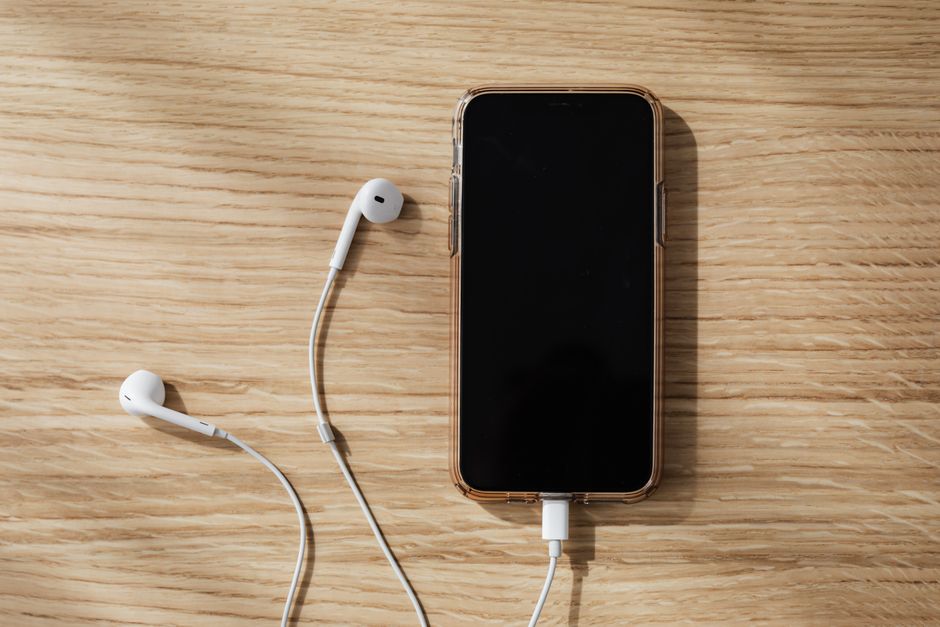
To use your phone’s native FM radio feature, you typically need to connect wired earphones or headphones. The wire serves as the antenna necessary to receive broadcast signals. Once connected, you can open the FM radio app, scan for available stations, and save your favorites for quick access. The experience closely mimics using a traditional portable radio, but with the convenience of your smartphone interface.
Unfortunately, Apple iPhones do not include activated FM radio chips, despite having the hardware in some models. This decision has been controversial among users who value the emergency preparedness aspect of FM radio. iPhone users must rely exclusively on streaming applications to access radio content, which requires data connectivity or Wi-Fi.
📱 Best Radio Streaming Apps for FM and AM Content
When native FM functionality isn’t available or when you want to access stations beyond your local area, radio streaming apps provide the perfect solution. These applications aggregate thousands of FM and AM stations from around the world, delivering their content via internet streaming. The quality is often superior to traditional broadcast reception, and you can access stations from different cities, states, or even countries.
Leading radio streaming apps offer intuitive interfaces with search functions, genre categories, and personalized recommendations. Many include features like sleep timers, alarm clock functionality, and the ability to record live broadcasts. Some apps focus specifically on certain regions or languages, while others provide truly global coverage with stations from every continent.

Popular applications in this category include TuneIn Radio, which boasts over 100,000 stations worldwide, and iHeartRadio, particularly strong for American broadcasts. Simple Radio stands out for its clean interface and extensive Brazilian station coverage, alongside international options. Radio.com offers excellent integration with major broadcasting networks, while apps like Radio FM focus on providing straightforward, no-frills access to local and international stations.
🌟 Key Features to Look for in Radio Apps
When selecting a radio streaming application, several features can significantly enhance your listening experience. Offline recording capabilities allow you to save broadcasts for later playback without consuming additional data. Chromecast or AirPlay support enables you to stream audio to speakers or smart home devices, expanding your listening options beyond headphones.
Station discovery features help you find new content based on your preferences, geographical location, or trending broadcasts. Car mode interfaces provide simplified, larger controls suitable for use while driving. Background playback ensures the audio continues playing while you use other apps or when your screen is locked, preserving battery life.
Podcast integration within radio apps creates a unified audio entertainment platform, eliminating the need for multiple applications. Some apps also include social features, allowing you to see what others are listening to and share your favorite stations. Ad-free premium tiers are available in many apps for users who prefer uninterrupted listening experiences.
🔌 Data Consumption and Offline Listening Options
One significant consideration when streaming radio on mobile devices is data usage. Standard quality radio streaming typically consumes between 0.5 to 1 MB per minute, translating to approximately 30-60 MB per hour. Higher quality streams can use considerably more data, potentially reaching 100-150 MB hourly for premium audio quality.
For users with limited data plans, this consumption can add up quickly, especially for daily commuters or frequent listeners. Using native FM radio functionality when available completely eliminates data concerns, as it receives broadcasts directly through the airwaves. When streaming is necessary, connecting to Wi-Fi networks whenever possible helps preserve your mobile data allocation.
Some radio apps offer downloading or caching features for specific shows or podcasts, enabling offline playback. While you cannot typically download live radio streams, recorded episodes and podcast content can be saved to your device. This approach provides flexibility for listening during flights, in areas with poor connectivity, or when you want to avoid data charges entirely.
🚗 Using Radio in Your Vehicle Through Your Smartphone
Modern vehicles increasingly integrate with smartphones through systems like Apple CarPlay and Android Auto, creating seamless in-car entertainment experiences. These platforms allow your radio streaming apps to display on your vehicle’s infotainment screen with controls accessible through the dashboard or steering wheel. The integration maintains safety while providing easy access to thousands of stations beyond what traditional car radios offer.
For vehicles without these advanced systems, Bluetooth connectivity provides a simple solution for playing smartphone radio through your car speakers. Most radio apps work perfectly with Bluetooth, automatically resuming playback when you start your vehicle. Alternatively, auxiliary cables or FM transmitters can connect your phone’s audio output to your car radio, though these methods may involve slight quality compromises.
When using radio apps while driving, consider safety features like voice controls and simplified interfaces. Many apps include car mode specifically designed for easier operation with minimal distraction. Setting up favorite stations before driving and using voice assistants like Google Assistant or Siri to control playback helps keep your attention on the road.
📡 Emergency Broadcasting and the Importance of FM Radio
During natural disasters, power outages, or other emergencies, traditional FM radio serves as a critical communication lifeline. Emergency management agencies worldwide rely on radio broadcasts to disseminate vital information when other communication networks fail. Smartphones with activated FM chips can receive these broadcasts without internet connectivity, making them invaluable emergency tools.
The Federal Emergency Management Agency (FEMA) and similar organizations internationally recommend having multiple methods of receiving emergency information, including battery-powered or hand-crank radios. However, the smartphone FM radio capability provides an additional layer of preparedness that’s always with you. Since it doesn’t require cellular networks or internet connectivity, FM radio continues functioning when these systems are overwhelmed or damaged.
This emergency preparedness aspect has fueled advocacy for smartphone manufacturers to activate FM chips in all devices. Consumer groups and safety organizations argue that this simple activation could save lives during disasters. While some manufacturers have responded positively, universal adoption remains inconsistent, making it worth checking whether your specific device includes this potentially life-saving feature.
🌍 Accessing International Radio Stations on Your Phone
One of the most exciting aspects of mobile radio is the ability to access stations from anywhere in the world. Streaming apps connect you to broadcasts from Tokyo, London, São Paulo, New York, or any city with internet radio presence. This global accessibility opens windows to different cultures, languages, and musical traditions, all from your smartphone.
International radio listening serves numerous purposes beyond entertainment. Language learners use native broadcasts to improve comprehension and pronunciation. Expatriates stay connected to news and culture from their home countries. Music enthusiasts discover genres and artists unavailable through conventional streaming services, exploring everything from Icelandic folk music to Brazilian samba straight from the source.
Time zone differences become irrelevant with on-demand features and recorded shows available in many apps. You can listen to morning shows from Paris during your afternoon or catch late-night jazz programs from New Orleans during your morning routine. This temporal flexibility, combined with geographical freedom, creates unprecedented access to the world’s audio content.
🎵 Radio vs. Music Streaming Services: Finding Your Balance
While services like Spotify, Apple Music, and YouTube Music dominate mobile audio consumption, traditional radio offers distinct advantages. Live radio provides spontaneity and discovery that algorithm-driven playlists cannot replicate. DJs and hosts create curated experiences with personality, local flavor, and real-time interaction that pre-programmed streaming lacks.
Radio broadcasts include valuable non-musical content: news updates, weather forecasts, traffic reports, and community announcements relevant to your location. Sports commentary, talk shows, and call-in programs create engagement opportunities absent from pure music streaming. Many listeners appreciate the passive nature of radio—letting someone else select the music—as a refreshing alternative to decision fatigue from endless streaming choices.
The ideal approach for many users involves integrating both formats. Music streaming services excel for personalized playlists, specific album playback, and offline listening during travel. Radio shines for discovering new music, staying informed about local events, and enjoying the human element of live broadcasting. Using your smartphone for both creates a comprehensive audio entertainment system adaptable to any situation or mood.
🔋 Battery Optimization for Extended Radio Listening
Extended radio listening can drain smartphone batteries quickly, particularly when streaming over mobile data. Several strategies help maximize battery life during radio use. Native FM radio functionality typically consumes significantly less power than streaming apps since it doesn’t require constant data transmission or intensive processing. When available, this option provides the most battery-efficient listening experience.
For streaming apps, reducing screen brightness or turning off the display entirely conserves substantial power. Most radio apps support background playback with the screen locked, which can double or triple listening time compared to leaving the screen active. Downloading content for offline playback, when available, eliminates the battery drain associated with maintaining data connections.
Connecting to Wi-Fi instead of using mobile data reduces power consumption, as Wi-Fi radios in smartphones are generally more energy-efficient than cellular modems. Using airplane mode with Wi-Fi enabled maximizes this benefit by disabling all cellular functions. For serious radio enthusiasts, portable battery packs provide extended listening capability without worrying about draining your phone’s battery during critical moments.
🎤 Creating Your Personalized Radio Experience
Modern radio apps transform passive listening into personalized experiences through various customization features. Favorite station lists allow quick access to your preferred broadcasts, eliminating repetitive searching. Many apps learn your preferences over time, suggesting similar stations or programs that match your listening habits.
Genre-based browsing helps discover new content within your areas of interest, whether that’s classical music, sports talk, news analysis, or comedy shows. Location-based recommendations connect you with popular local stations when traveling, helping you feel more connected to new places. Some apps include community ratings and reviews, providing insights into station quality and content before you tune in.
Advanced features like equalizer settings let you adjust audio characteristics to match your preferences or headphone quality. Sleep timers automatically stop playback after a set duration, perfect for falling asleep to gentle music or talk radio. Alarm functions wake you to your favorite station instead of jarring default tones, starting your day with familiar, comfortable sounds.
🔐 Privacy and Security Considerations for Radio Apps
Like all mobile applications, radio streaming apps collect various types of user data, making privacy awareness important. Most apps track listening habits to provide recommendations and targeted advertising. Location data may be collected to suggest local stations or provide region-specific content. Understanding the permissions requested by radio apps helps you make informed decisions about your privacy preferences.
Reading app privacy policies, though tedious, reveals exactly what information is collected and how it’s used or shared. Many apps offer premium subscriptions that eliminate ads and reduce data collection, providing cleaner experiences for privacy-conscious users. Using apps from reputable developers with transparent privacy practices adds another layer of security to your mobile radio experience.
Native FM radio functionality offers inherent privacy advantages since it receives broadcasts directly without internet connectivity. No listening data is transmitted to companies or advertisers when using traditional FM chips in your phone. For users particularly concerned about digital privacy, this old-school approach provides entertainment without sacrificing personal information.
🚀 The Future of Radio on Mobile Devices
Radio technology continues evolving alongside smartphone capabilities, with several exciting developments on the horizon. HD Radio and DAB+ (Digital Audio Broadcasting) offer significantly improved sound quality compared to traditional FM, with some smartphones already supporting these standards in certain markets. These digital formats provide CD-quality audio while maintaining the free, broadcast nature of conventional radio.
5G connectivity promises even better streaming experiences with lower latency and more reliable connections, potentially eliminating buffering issues that occasionally affect current streaming apps. Artificial intelligence integration may create smarter recommendation systems that truly understand your preferences, discovering content you’ll love before you even know it exists.
Interactive radio features are expanding, with some broadcasts incorporating real-time polls, voting, and social media integration directly into apps. Podcast-radio hybrids blur the lines between live broadcasting and on-demand content, offering flexibility alongside the spontaneity of live shows. As technology progresses, mobile radio will likely become even more personalized, accessible, and integrated into our daily digital experiences.
📲 Making the Most of Your Mobile Radio Experience
Maximizing your enjoyment of FM and AM radio on smartphones involves exploring available options and finding what works best for your lifestyle. Start by determining whether your device has native FM functionality—check your app drawer for a radio app or search your phone’s specifications online. If this feature exists, experiment with it using different headphones to understand its capabilities and limitations.
Download several streaming apps to compare their station selections, interface designs, and feature sets. Free versions typically provide full access to stations with advertising, while premium tiers offer enhanced experiences for dedicated users. Test apps during your regular activities—commuting, exercising, working—to see which best fits your routines and preferences.
Create collections of stations for different moods and situations: upbeat music for mornings, talk radio for commutes, jazz for evenings, news for staying informed. This organization transforms your smartphone into a versatile radio that adapts to your needs throughout the day. Regularly explore new stations and genres to keep your listening experience fresh and discover content you might otherwise miss.
Remember that radio’s greatest strength lies in its immediacy and human touch. Unlike algorithm-generated playlists, radio connects you to real people making real-time decisions about content. Embrace the spontaneity, accept the occasional song you’d skip on streaming services, and appreciate the discovery process that makes radio a uniquely engaging medium even in our on-demand entertainment era.
Whether you’re using native FM functionality or streaming international stations through specialized apps, your smartphone provides unprecedented access to radio content. This technology that has entertained and informed for generations now fits in your pocket, ready to deliver news, music, and companionship whenever you need it. The combination of traditional broadcasting values and modern mobile convenience creates an audio experience that remains relevant, valuable, and enjoyable in today’s digital world. 📻✨
