
Anúncios
Listening to FM and AM radio on your smartphone has become more accessible than ever, blending traditional broadcasting with modern mobile technology for millions worldwide.


The evolution of mobile devices has transformed how we consume media, yet radio remains a powerful medium for news, entertainment, and emergency communications. Whether you’re commuting, exercising, or relaxing at home, having access to live radio broadcasts directly from your pocket offers convenience and connection to local communities.
Anúncios
Understanding the capabilities of your smartphone regarding radio reception can enhance your listening experience while potentially saving mobile data. From built-in FM chips to streaming applications, the landscape of mobile radio has diversified significantly over recent years.
📻 The Technology Behind Mobile Radio Reception
Most modern smartphones actually contain FM radio chips embedded in their hardware. These chips were originally included as a standard component in mobile processors, designed to receive traditional radio signals without requiring internet connectivity. The functionality exists independently from your cellular or Wi-Fi connection.
Anúncios
However, many manufacturers and carriers have historically disabled this feature through software limitations. This decision was driven by various factors including business models favoring data usage, additional development costs for radio apps, and the promotion of streaming services.
The FM chip utilizes your headphone cable as an antenna, which is why wired earphones are typically required for FM radio reception. The length and positioning of the cable significantly impact signal quality and reception strength.
🔍 Differences Between FM and AM Radio on Mobile Devices
FM (Frequency Modulation) and AM (Amplitude Modulation) represent two distinct broadcasting technologies with different characteristics. FM radio operates at higher frequencies between 88 to 108 MHz, delivering superior sound quality with minimal interference and static.
AM radio broadcasts at lower frequencies from 535 to 1605 kHz, offering extended range particularly at night when signals can travel hundreds or even thousands of miles. While AM traditionally suffers from lower audio fidelity, it excels in penetrating buildings and reaching remote areas.
Mobile phones with radio capabilities predominantly support FM reception due to its popularity for music and entertainment programming. AM support is considerably rarer in smartphone hardware, though some specialized devices and regions still include this functionality.
Signal Quality Considerations
FM signals provide stereo broadcasting with clarity comparable to digital audio, making them ideal for music stations. The signal remains relatively stable within the broadcast radius but deteriorates quickly beyond coverage areas.
AM signals, while offering mono sound with background noise, can reach listeners far from transmission towers. This makes AM particularly valuable for talk radio, news broadcasts, and emergency alert systems that prioritize coverage over audio quality.
📱 Smartphones with Built-in FM Radio Capabilities
Several smartphone manufacturers continue supporting FM radio functionality, recognizing its value for users who prefer traditional broadcasting. Brands like Motorola, LG, Samsung (select models), and various budget-friendly manufacturers include activated FM chips in their devices.
The availability varies significantly by region, carrier, and specific model. North American carriers have been particularly resistant to enabling FM functionality, while European, Asian, and Latin American markets show broader support.
To determine whether your smartphone has FM radio capabilities, check the pre-installed applications for radio apps, consult your device specifications, or download third-party apps designed to activate dormant FM chips.
Activating Your Phone’s FM Radio
If your device includes FM hardware, activation typically requires installing a compatible radio application. Popular options include NextRadio, Radio FM, TuneIn Radio, and manufacturer-specific apps that come pre-loaded on supported devices.
Connect wired headphones to serve as the antenna, launch your radio app, and scan for available stations. Signal strength varies based on your location, surrounding structures, and local broadcaster power.

🌐 Internet Radio Streaming as an Alternative
For devices without FM chips or users seeking broader content variety, internet radio streaming offers unlimited access to stations worldwide. Applications like TuneIn, iHeartRadio, Radio Garden, and Simple Radio provide thousands of live stations across all genres and languages.
Streaming radio requires active internet connectivity through Wi-Fi or mobile data. Audio quality typically surpasses traditional FM broadcasts, with many stations offering high-definition streams for premium listeners.
The primary drawback involves data consumption, which can quickly deplete limited mobile plans. An hour of streaming typically consumes 50-100 MB depending on audio quality settings, making Wi-Fi preferable for extended listening sessions.
Hybrid Solutions for Maximum Flexibility
Some applications combine traditional FM reception with internet streaming, automatically switching between sources based on availability. This hybrid approach maximizes content access while conserving data when FM signals are strong.
These apps often include additional features like station favorites, sleep timers, recording capabilities, and social sharing options that enhance the listening experience beyond simple broadcast reception.
⚡ Battery and Data Consumption Considerations
Traditional FM radio reception offers remarkable efficiency, consuming minimal battery power compared to streaming alternatives. Since the FM chip operates independently from cellular radios and processors, it can run for hours without significantly impacting battery life.
Internet radio streaming demands continuous data transfer and processing, resulting in substantially higher battery drain. The screen, cellular radio, and audio processing collectively reduce listening time to a fraction of FM’s efficiency.
For users concerned about data caps, FM radio provides unlimited listening without affecting monthly allowances. This advantage becomes particularly valuable during commutes, outdoor activities, or situations where Wi-Fi isn’t available.
🚨 Emergency Preparedness and Radio Access
Access to FM radio during emergencies represents a critical safety feature that streaming services cannot replicate. Natural disasters, power outages, and network failures often disable internet connectivity while FM broadcasts continue operating.
Emergency management agencies rely on radio broadcasting to distribute time-sensitive information during crises. Having FM capability on your smartphone ensures access to vital updates when other communication channels fail.
The Federal Emergency Management Agency (FEMA) and similar organizations worldwide advocate for FM-enabled smartphones as part of comprehensive emergency preparedness plans. This functionality requires no cellular service, internet connection, or even a SIM card to receive broadcasts.
The NextRadio Initiative
The NextRadio campaign, supported by broadcasters and safety advocates, has worked to activate FM chips in smartphones across North America. Their efforts emphasize public safety benefits alongside entertainment value, encouraging manufacturers and carriers to enable dormant hardware.
While the organization faced challenges and eventually transformed into new initiatives, their advocacy raised awareness about FM capabilities and influenced policy discussions regarding emergency communications infrastructure.
🎵 Audio Quality and Listening Experience
FM radio quality on smartphones generally matches traditional radio receivers when signal strength remains adequate. Modern FM chips include digital signal processing that reduces noise and enhances clarity compared to older analog receivers.
Factors affecting quality include antenna length (headphone cable), proximity to broadcast towers, interference from electronic devices, and physical obstacles like buildings or terrain. Urban environments often provide strong signals for local stations while rural areas may experience limited options.
Internet streaming typically delivers superior and more consistent audio quality, particularly for stations offering high-bitrate streams. However, this advantage depends entirely on connection speed and stability, which can vary unpredictably.
🌍 Regional Availability and Global Perspectives
FM radio support on smartphones varies dramatically across different markets. Developing regions often show stronger manufacturer support since users rely more heavily on free broadcasting without consuming precious data allowances.
Countries like India, Brazil, Indonesia, and throughout Africa commonly feature phones with activated FM functionality as a standard expectation. These markets recognize radio’s importance for information access, entertainment, and cultural connection.
Conversely, developed markets in North America increasingly favor streaming-only approaches, reflecting different economic priorities and infrastructure assumptions. This divide highlights contrasting perspectives on technology accessibility and consumer needs.
📲 Popular Radio Apps for Mobile Devices
Numerous applications cater to different radio listening preferences, from traditional FM reception to global streaming. Selecting the right app depends on your device capabilities, content preferences, and connectivity situation.
- NextRadio: Designed specifically to activate FM chips with hybrid streaming fallback
- TuneIn Radio: Comprehensive streaming platform with 100,000+ stations worldwide
- iHeartRadio: Major broadcaster offering live stations, podcasts, and custom stations
- Radio FM: Simple interface focused on FM chip activation and local station discovery
- Simple Radio: Clean, intuitive streaming app with minimal advertisements
- Radio Garden: Unique globe interface for exploring stations globally
Choosing the Right Application
Consider whether your priority involves activating existing FM hardware, accessing specific stations, discovering new content, or minimizing data usage. Apps focused on FM activation require compatible hardware, while streaming apps work on any device with internet access.
Evaluate features like recording capabilities, alarm functionality, car mode interfaces, and offline listening options when selecting your preferred radio application. User reviews often highlight performance issues, advertisement frequency, and reliability concerns worth considering.
🔧 Troubleshooting Common Radio Reception Issues
Poor FM reception on smartphones typically stems from inadequate antenna length or positioning. Since headphone cables serve as antennas, using longer cables or repositioning yourself near windows can dramatically improve signal quality.
If your phone theoretically supports FM but apps cannot detect the chip, carrier or manufacturer restrictions may have disabled functionality through software locks. Third-party applications sometimes bypass these limitations, though success varies by device.
Streaming radio problems usually relate to network connectivity, bandwidth limitations, or app-specific bugs. Testing alternative apps, restarting your device, clearing cache data, or switching between Wi-Fi and cellular often resolves playback issues.
💡 Future of Radio on Mobile Devices
The trajectory of FM radio in smartphones remains uncertain as manufacturers increasingly eliminate headphone jacks, which served dual purposes as audio output and radio antennas. Bluetooth headphones cannot function as FM antennas, creating technical challenges for future implementations.
Some innovative solutions propose using USB-C or Lightning port adapters with integrated antennas, though adoption remains limited. Alternative approaches might embed antennas directly into device frames, though this would require renewed manufacturer commitment to radio functionality.
5G networks and improved streaming infrastructure may further reduce emphasis on traditional broadcasting. However, the unique advantages of FM radio—zero data consumption, emergency access, and independence from network congestion—suggest continued relevance for specific use cases and markets.
🎯 Making the Most of Mobile Radio
Whether using FM chips or streaming services, mobile radio access enhances your smartphone’s versatility. Explore local stations to discover community perspectives, news, and music that algorithms might never recommend.
Create preset lists of favorite stations for quick access during commutes or workouts. Many apps allow organizing channels by genre, location, or personal preference, streamlining the listening experience.
Consider downloading radio apps before traveling to new regions, ensuring access to local broadcasts for weather updates, traffic information, and cultural immersion. This preparation proves particularly valuable in areas with limited cellular coverage or expensive roaming charges.
📊 Comparing Radio Options: Quick Reference
| Feature | FM Radio (Built-in) | Internet Streaming |
|---|---|---|
| Data Usage | None | 50-100 MB per hour |
| Battery Consumption | Very Low | Moderate to High |
| Audio Quality | Good (signal dependent) | Excellent (connection dependent) |
| Station Selection | Local broadcasts only | Unlimited worldwide |
| Emergency Access | Works without network | Requires internet |
| Device Requirements | FM chip + wired headphones | Any smartphone |
🎧 Enhancing Your Mobile Radio Experience
Invest in quality headphones that provide both excellent audio output and effective antenna performance for FM reception. Some wired headphones include extended cables specifically designed to improve radio signal capture.
Position yourself strategically when listening to FM broadcasts. Higher floors in buildings, areas near windows, and outdoor locations typically offer stronger signals than basements or interior rooms surrounded by concrete.
Experiment with different apps to find interfaces and features that match your preferences. The radio landscape includes minimalist options for straightforward listening and feature-rich platforms offering recording, social features, and content discovery tools.
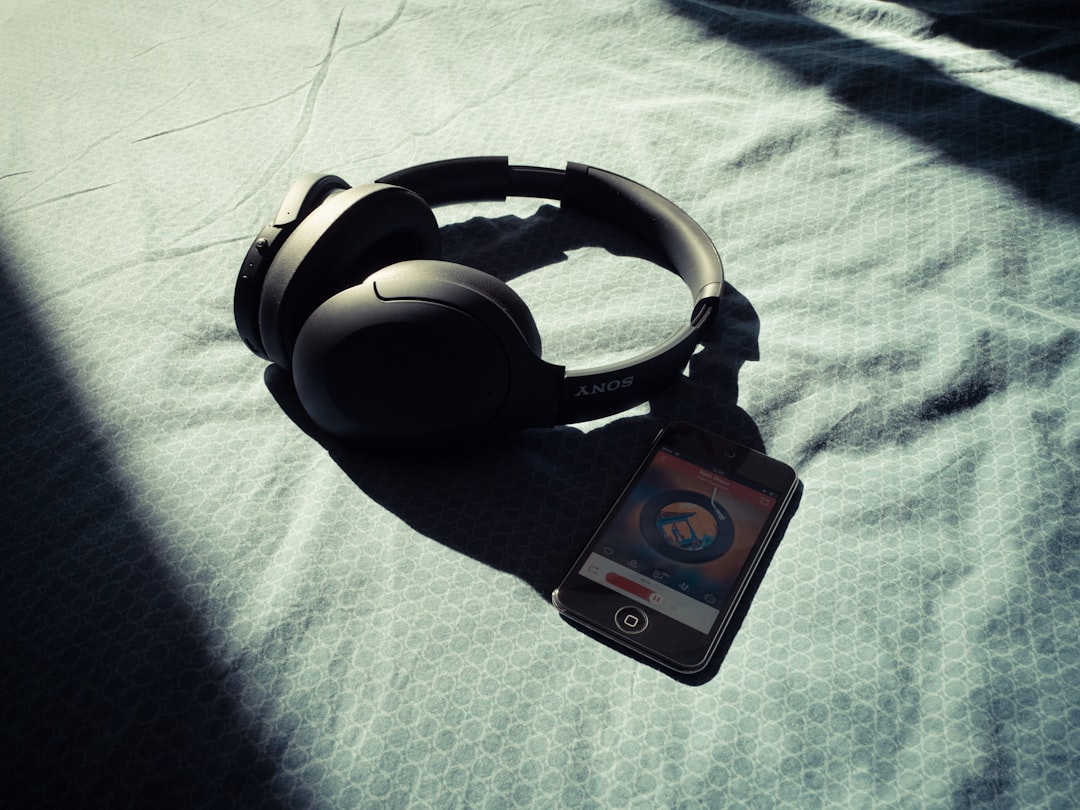
🌟 Rediscovering Radio in the Digital Age
While streaming services dominate modern audio consumption, traditional radio maintains unique characteristics worth appreciating. Live broadcasts create shared experiences, connecting listeners simultaneously to breaking news, sporting events, and cultural moments.
Local radio stations provide community-specific content that global platforms cannot replicate. Weather updates, traffic reports, regional news, and hometown perspectives offer value that transcends algorithm-driven content recommendations.
The spontaneity of radio—discovering unexpected songs, stumbling upon interesting conversations, or hearing emergency alerts—contrasts with the predictability of personalized playlists. This element of surprise enriches the listening experience with genuine serendipity.
Embracing radio on your mobile device reconnects you with a broadcasting tradition spanning nearly a century while leveraging cutting-edge smartphone technology. Whether through activated FM chips or internet streaming, your phone becomes a gateway to thousands of voices, perspectives, and sounds from around the corner and around the world. The choice between traditional reception and modern streaming isn’t mutually exclusive—savvy listeners utilize both approaches depending on circumstances, maximizing access to information and entertainment regardless of connectivity or data limitations. As technology continues evolving, the fundamental appeal of radio endures: immediate, accessible, and endlessly diverse content delivered directly to wherever you happen to be.
