
Anúncios
Discovering the hidden value of antiques and collectibles can transform dusty attic finds into treasured assets worth significant sums of money.


Whether you’ve inherited grandmother’s china collection, stumbled upon vintage toys at a garage sale, or collected stamps for years, understanding how to research and accurately value these items opens doors to both financial opportunity and historical appreciation.
Anúncios
The world of antiques and collectibles combines detective work, market knowledge, and a passion for preservation.

Modern technology has revolutionized how collectors and sellers determine authentic market values. Gone are the days when you needed to rely solely on expensive appraisers or guesswork. Today’s digital tools, reference databases, and online marketplaces provide unprecedented access to pricing information, auction results, and expert insights that were once available only to industry insiders.
Anúncios
🔍 Understanding What Makes Items Valuable
Before diving into research methods, it’s essential to understand the fundamental factors that determine an antique or collectible’s worth. Age alone doesn’t guarantee value—a 200-year-old common household item might be worth less than a 50-year-old rare collectible.
Rarity stands as one of the most significant value drivers. Limited production runs, surviving pieces from discontinued lines, or items with unique characteristics command premium prices. A mass-produced plate from the 1950s might fetch just a few dollars, while a hand-painted prototype from the same era could be worth thousands.
Condition dramatically impacts value across all collectible categories. Mint condition items—those showing no wear, damage, or restoration—typically command the highest prices. Even minor chips, cracks, scratches, or fading can reduce value by 50% or more in competitive markets.
Provenance, or documented history of ownership, adds considerable value to antiques. Items owned by celebrities, used in historical events, or featured in films carry premiums. Documentation, photographs, and authentication certificates strengthen provenance claims and buyer confidence.
Market demand fluctuates based on collecting trends, generational preferences, and cultural factors. Mid-century modern furniture currently enjoys strong demand, while Victorian-era pieces have softened compared to previous decades. Understanding these cycles helps time buying and selling decisions strategically.
📚 Essential Research Methods for Antiques
Effective research begins with proper identification. Carefully examine your item for maker’s marks, signatures, stamps, labels, or any identifying features. These marks often appear on the bottom, back, or underside of objects and provide crucial starting points for research.
Manufacturer marks on ceramics, pottery, and glassware reveal production dates and origin. Many companies changed their marks over time, allowing experts to date pieces within specific year ranges. Reference books specializing in maker’s marks remain invaluable resources for this detective work.
Photography plays a critical role in modern antique research. Take clear, well-lit photographs from multiple angles, capturing overall views, close-ups of marks, and any damage or unique features. These images facilitate online research, expert consultations, and potential sales listings.
Measurements matter more than many beginners realize. Record accurate dimensions, weight, and any other quantifiable characteristics. Similar-looking items may vary in size, with rarer dimensions commanding different prices. Include these specifications when conducting comparative market research.
Leveraging Specialized Reference Databases
Professional-grade price guide databases have transformed antique valuation. These platforms compile millions of actual sales records from auctions, estate sales, and dealer transactions, providing real market data rather than speculative estimates.
Subscription-based research tools offer access to historical pricing trends, comparative sales analysis, and detailed item descriptions. While requiring investment, these resources quickly pay for themselves when dealing with higher-value items or building a serious collection.
Category-specific resources provide deeper expertise than general databases. Stamp collectors consult Scott catalogs, coin enthusiasts reference the Red Book, and furniture aficionados study period-specific design guides. Identifying your item’s category helps direct research toward the most authoritative sources.
💻 Digital Tools and Online Marketplaces
Online auction platforms provide transparent market data through completed sales records. Unlike active listings showing asking prices, completed transactions reveal what buyers actually paid—the true measure of market value.
Advanced search filters help narrow results to closely comparable items. Filter by condition, date range, seller location, and sale format (auction versus fixed price). Reviewing multiple comparable sales establishes reliable value ranges rather than relying on single data points.
Online antique malls and dealer websites showcase current asking prices from professional sellers. While asking prices often exceed actual selling prices, they indicate market positioning and retail expectations. Compare these against auction results for realistic valuation brackets.
Social media groups dedicated to specific collectible categories offer community knowledge and informal appraisals. Experienced collectors frequently share insights, identify items, and discuss market trends. These communities provide valuable context that complements formal research.
Mobile Apps Revolutionizing Field Research
Smartphone applications now bring powerful research capabilities to estate sales, flea markets, and antique shops. Instant price lookups help make informed purchasing decisions on the spot, preventing overpaying or missing valuable opportunities.
Image recognition technology in some apps identifies items from photographs, automatically suggesting categories and comparable sales. While not perfect, these tools accelerate preliminary research and help beginners navigate unfamiliar categories.
Barcode and ISBN scanners work exceptionally well for books, records, and modern collectibles. Instant lookups reveal current market values, recent sales, and available inventory across multiple platforms, streamlining decision-making during shopping expeditions.
🏛️ Professional Appraisal Services
Certain situations demand professional appraisers despite excellent DIY research tools. Insurance coverage, estate settlements, tax deductions for donations, and high-value items warrant certified appraisals from qualified experts.
Accredited appraisers hold credentials from recognized organizations like the American Society of Appraisers or the International Society of Appraisers. These professionals undergo rigorous training, testing, and continuing education requirements ensuring competent, ethical valuations.
Appraisal costs vary based on complexity, item value, and appraisal purpose. Hourly rates typically range from $100 to $300, though some appraisers charge flat fees for standard items. Never work with appraisers who base fees on percentages of appraised value—this creates conflicts of interest.
Different appraisal types serve different purposes. Insurance replacement value typically exceeds fair market value, while liquidation value falls below both. Ensure your appraiser understands the intended use and provides the appropriate valuation methodology.
🎯 Category-Specific Research Strategies
Furniture requires understanding construction methods, wood types, and period styles. Examine joinery techniques, hardware, and finishing methods. Hand-cut dovetails indicate older craftsmanship, while machine-cut versions suggest later production. Secondary woods used in drawers and backs provide dating clues.
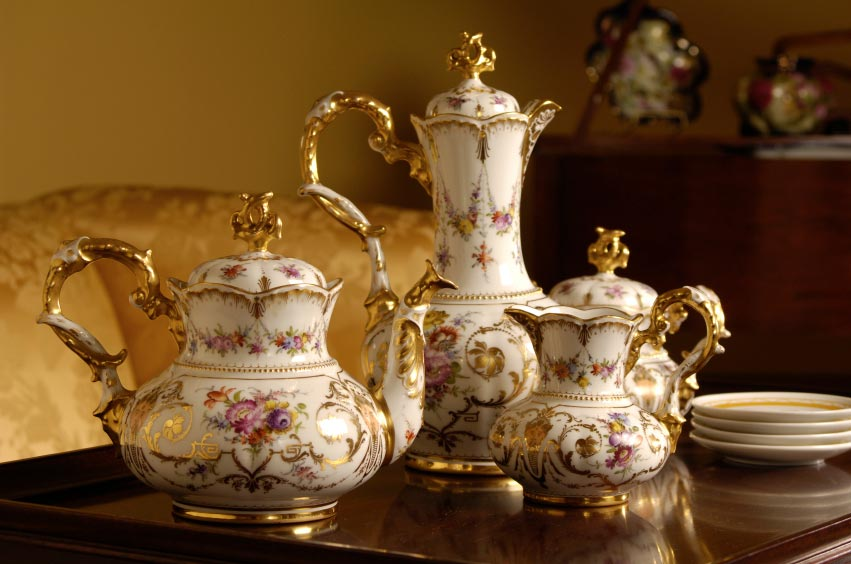
Ceramics and pottery demand knowledge of glazing techniques, decoration methods, and manufacturing processes. Crazing (fine cracks in glaze), wear patterns, and weight relative to size help distinguish handmade pieces from factory production. Regional pottery styles reflect local clay characteristics and firing traditions.
Vintage toys and collectibles have experienced explosive market growth. Original packaging dramatically increases value—sometimes multiplying worth by ten or more. Mint-in-box Star Wars figures from the 1970s command thousands, while loose figures fetch hundreds or less.
Jewelry and watches require specialized knowledge of hallmarks, metal content, and gemstone quality. Precious metal stamps (14K, 925, PLAT) verify gold, silver, or platinum content. Watches combine mechanical complexity with brand heritage, making expert evaluation particularly valuable for high-end timepieces.
Books, Comics, and Paper Collectibles
First editions, limited printings, and signed copies drive book values. Identifying true first editions requires understanding publisher-specific number lines, copyright page details, and printing history. Dust jackets dramatically affect value—often representing 70-90% of a book’s worth.
Comic book grading follows strict standards established by professional grading services. Condition factors include cover gloss, page color, spine integrity, and presence of restoration or defects. Even minor condition differences significantly impact value for key issues and rare titles.
Vintage advertising, posters, and ephemera attract passionate collectors. Original prints versus reproductions require careful examination under magnification. Paper stock, printing methods, and aging characteristics help authenticate vintage pieces versus modern reproductions.
📊 Interpreting Market Data Accurately
Understanding sold prices requires context beyond simple numbers. Sale venues significantly affect realized prices—prestigious auction houses command premiums while online marketplaces sometimes offer bargains. Consider the sales channel when evaluating comparable transactions.
Seasonal fluctuations affect certain collectible categories. Holiday-themed items peak before relevant seasons, outdoor antiques sell better in spring, and year-end estate planning drives December auction activity. Timing sales strategically maximizes returns.
Geographic markets vary considerably. Items with regional significance command premiums in relevant locations. American folk art sells better domestically, European antiques often bring higher prices abroad, and local historical items perform best in their origin communities.
Buyer’s premiums and seller’s fees significantly impact net proceeds. Auction houses typically charge buyers additional 15-25% above hammer prices while deducting 10-20% from sellers. Factor these costs when calculating true market value and potential returns.
🛡️ Avoiding Common Valuation Mistakes
Emotional attachment clouds objective valuation. Items with personal significance feel more valuable than market reality reflects. Separate sentimental value from actual market value when making selling or insurance decisions.
Reproductions and fakes plague virtually every collectible category. Modern manufacturing techniques create convincing copies of valuable antiques. Developing authentication skills or consulting experts prevents costly mistakes when purchasing higher-value items.
Restoration and repairs require careful consideration. Professional, period-appropriate restoration sometimes enhances value, while poor repairs always reduce worth. Overly aggressive cleaning or refinishing can destroy patina and originality that collectors prize.
Confusing retail prices with actual market value leads to disappointment. Antique shop prices include dealer markups, overhead costs, and profit margins. Expect to realize 40-60% of retail when selling privately, or less through auctions after fees.
💡 Building Long-Term Market Knowledge
Developing expertise requires ongoing education and market immersion. Attend antique shows, visit museums, handle authentic pieces, and study reference materials. Hands-on experience builds the intuitive knowledge that separates novices from seasoned collectors.
Networking with dealers, collectors, and appraisers provides insider perspectives on market movements. These relationships offer access to off-market opportunities, early notifications of estate sales, and valuable mentorship from experienced professionals.
Subscribing to trade publications and price guides keeps knowledge current. Markets evolve constantly as new discoveries emerge, collecting trends shift, and generational preferences change. Staying informed prevents outdated assumptions that lead to valuation errors.
Documenting your collection builds valuable records for insurance, estate planning, and future sales. Maintain photographs, purchase receipts, provenance documentation, and condition reports. This documentation substantiates values and provides essential information for heirs or executors.
🌟 Turning Knowledge Into Opportunity
Understanding antique values transforms casual interest into profitable ventures. Knowledge empowers confident purchasing decisions at estate sales and auctions, identifying undervalued items that others overlook. Smart acquisitions build collections that appreciate over time while providing aesthetic enjoyment.
Selling strategies should match items with appropriate markets. High-end pieces deserve premier auction houses, mid-range items perform well through established dealers or online platforms, and common pieces move quickly through local sales or donation for tax benefits.
The antiques and collectibles market rewards patience, research, and passion. Whether preserving family heirlooms, building focused collections, or pursuing profitable opportunities, solid research skills provide the foundation for success. Modern tools and traditional expertise combine to make antique valuation more accessible than ever before.
Begin your research journey by examining items already in your possession. That forgotten box in the attic or inherited collection might contain surprising treasures waiting to be discovered. With proper research methods and reliable reference sources, you’ll unlock the stories and values these objects hold, connecting past craftsmanship with present-day appreciation. 🏺✨
