
Anúncios
Managing blood sugar levels has never been easier thanks to modern technology and specialized mobile applications designed to track glucose readings.
Whether you’re living with diabetes, prediabetes, or simply want to monitor your metabolic health, glucose tracking apps have become essential companions in daily health management. These digital tools transform raw data into actionable insights, helping millions of people worldwide maintain better control over their condition.
Anúncios
From automated logging to comprehensive analytics and personalized recommendations, glucose monitoring applications offer features that go far beyond simple number tracking. Let’s explore how these powerful tools work and why they’ve become indispensable for anyone serious about managing their blood sugar levels effectively.
📱 Why Digital Glucose Tracking Matters
Traditional paper logbooks have served their purpose for decades, but they come with significant limitations. Forgetting to record a reading, losing your logbook, or struggling to identify patterns from handwritten notes are common frustrations that many people face.
Anúncios
Digital glucose monitoring apps solve these problems elegantly. They provide instant access to your complete health history, generate visual reports that make pattern recognition effortless, and even share data directly with your healthcare provider. This technological shift represents more than convenience—it’s about empowering patients with tools that genuinely improve health outcomes.
Studies consistently show that people who track their glucose regularly achieve better glycemic control than those who don’t. The difference lies in awareness and actionable information, both of which modern apps deliver seamlessly.
🎯 Essential Features of Top Glucose Monitoring Apps
Not all glucose tracking applications are created equal. The best ones combine user-friendly design with powerful functionality that addresses real-world needs.
Intuitive Data Entry and Logging
The foundation of any glucose app is its ability to capture readings quickly and accurately. Leading applications offer multiple input methods, from manual entry to integration with continuous glucose monitors (CGMs) and smart glucometers. The easier it is to log your data, the more consistent you’ll be with tracking.
Many apps also allow you to record contextual information alongside your glucose readings. This includes meals, physical activity, medications, stress levels, and other factors that influence blood sugar. Over time, this comprehensive logging reveals connections you might never notice otherwise.
Visual Analytics and Trend Identification
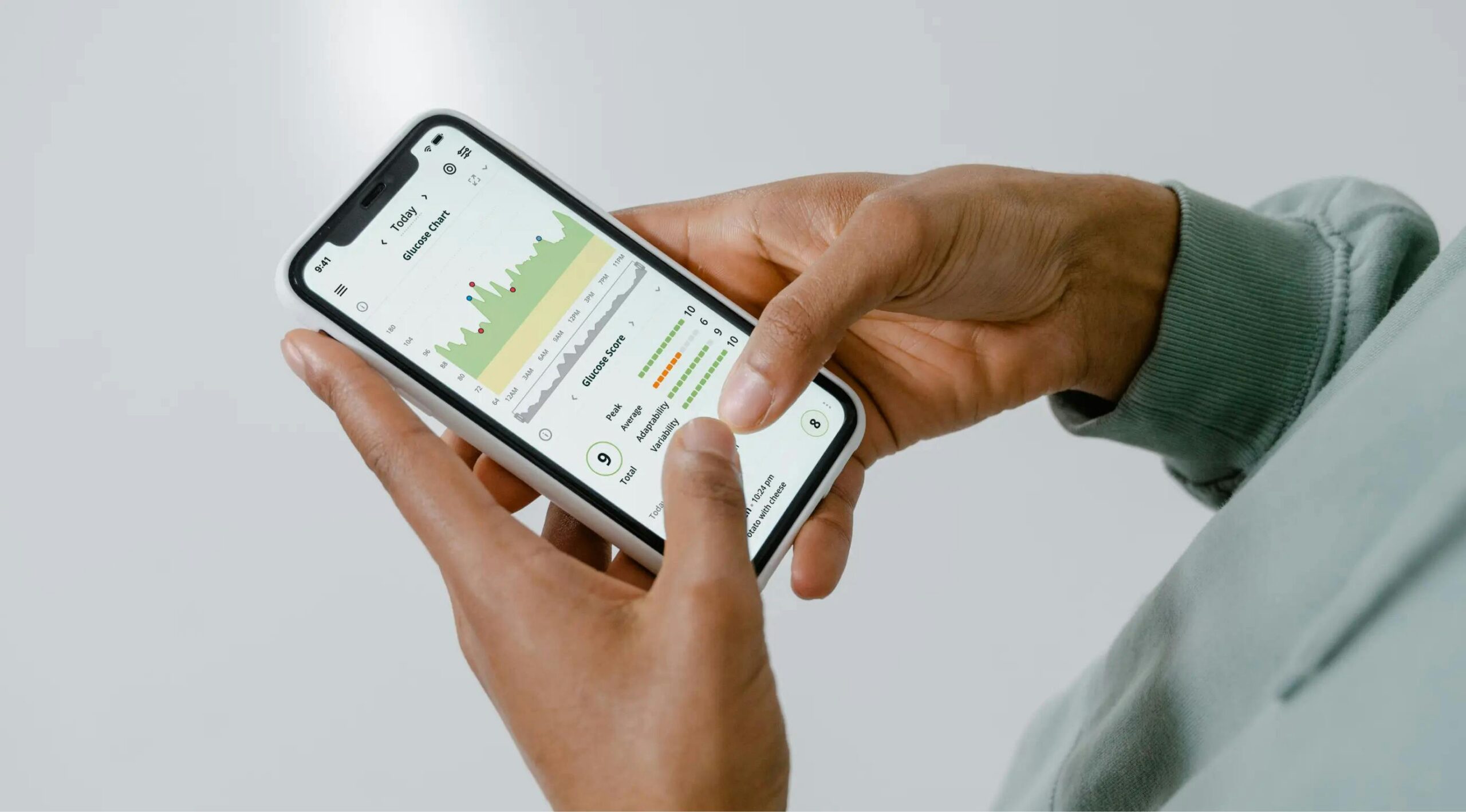
Raw numbers tell only part of the story. The real power emerges when data transforms into visual representations that highlight patterns, trends, and correlations. Quality glucose apps present your information through intuitive graphs, color-coded indicators, and time-in-range statistics.
These visualizations help you quickly identify problematic patterns—like consistent morning highs or post-meal spikes—so you can address them proactively with your healthcare team.
Smart Alerts and Reminders
Life gets busy, and it’s easy to forget testing times or medication schedules. Built-in reminder systems ensure you stay on track with your management routine. Some advanced apps even offer predictive alerts that warn you about potential low or high glucose episodes before they become severe.

💡 How Glucose Apps Improve Daily Management
Beyond basic tracking, these applications actively contribute to better diabetes management through several mechanisms that support healthier decision-making throughout the day.
Meal Planning and Carbohydrate Tracking
Understanding how different foods affect your glucose levels is crucial for effective management. Many glucose apps include food databases with nutritional information, making it easier to log meals and track carbohydrate intake accurately.
By correlating your food intake with subsequent glucose readings, you develop personalized insights about which foods work best for your body. This knowledge empowers you to make informed choices that keep your levels stable and within target range.
Medication Management and Insulin Calculations
For those using insulin or other diabetes medications, some apps offer dosing calculators that consider your current glucose level, planned carbohydrate intake, and insulin sensitivity factor. While these tools should never replace professional medical advice, they can serve as helpful reference points.
Apps also help track medication adherence, ensuring you never miss a dose and providing records that can be valuable during medical appointments.
Exercise Tracking and Impact Analysis
Physical activity significantly affects blood sugar levels, but the relationship varies from person to person. Glucose monitoring apps that integrate with fitness trackers help you understand how different types and intensities of exercise impact your levels.
This information helps you time workouts optimally, adjust food or insulin accordingly, and avoid exercise-induced hypoglycemia or hyperglycemia.
🔗 Integration With Medical Devices and Wearables
The ecosystem of diabetes management technology has expanded dramatically in recent years. Modern glucose apps don’t operate in isolation—they connect with various devices to create comprehensive health monitoring systems.
Continuous Glucose Monitors (CGMs)
CGMs represent a revolutionary advancement in glucose monitoring, providing real-time readings every few minutes without finger pricks. Many glucose apps now integrate seamlessly with popular CGM systems, automatically importing data and providing enhanced analytics.
This integration eliminates manual data entry while ensuring you have complete, accurate records that capture glucose variability throughout day and night.
Smart Glucometers
Bluetooth-enabled blood glucose meters automatically sync readings to your smartphone app, removing the tedious task of manual logging. This technology ensures every test is recorded without effort, improving data completeness and accuracy.
Fitness Trackers and Smartwatches
Connecting your glucose app with fitness wearables provides holistic health insights by combining blood sugar data with activity levels, heart rate, sleep patterns, and more. This comprehensive view helps identify non-obvious factors affecting your glucose control.
👥 Sharing Data With Healthcare Providers
One of the most valuable features of modern glucose apps is the ability to share your data efficiently with your medical team. Instead of bringing printed logbooks to appointments or trying to recall patterns from memory, you can generate comprehensive reports instantly.
Many apps offer HIPAA-compliant data sharing features that allow your doctor, diabetes educator, or nutritionist to access your information remotely. This facilitates more frequent touchpoints and enables your healthcare team to identify issues and adjust treatment plans proactively rather than reactively.
Some platforms even support telemedicine consultations directly within the app, making diabetes care more accessible and convenient than ever before.
🛡️ Privacy and Data Security Considerations
When choosing a glucose monitoring app, data security should be a top priority. You’re entrusting these applications with sensitive health information that requires robust protection.
Look for apps that offer encryption for data transmission and storage, clear privacy policies explaining how your information is used, options to control data sharing permissions, and compliance with health data protection regulations like HIPAA in the United States or GDPR in Europe.
Reputable apps are transparent about their security measures and give you control over who can access your health data and for what purposes.
📊 Understanding Your Glucose Patterns
The true power of glucose monitoring apps lies not in collecting data but in understanding what that data reveals about your unique body and condition.
Time-in-Range Statistics
Rather than focusing solely on average glucose levels, modern apps emphasize time-in-range—the percentage of time your glucose stays within your target zone. This metric better reflects overall glycemic control and correlates more closely with long-term health outcomes.
Glycemic Variability Analysis
Large swings in glucose levels can be just as problematic as consistently high readings. Apps that analyze variability help you identify and minimize these fluctuations, leading to more stable energy levels and reduced complication risks.
Pattern Recognition
Advanced apps use algorithms to identify recurring patterns in your data—like the “dawn phenomenon” (morning highs due to hormonal changes) or post-meal spikes that occur after certain foods. Recognizing these patterns enables targeted interventions that address root causes rather than treating symptoms.
🌟 Personalization and Goal Setting
Everyone’s diabetes journey is unique, and the best glucose apps recognize this by offering extensive customization options. You can typically set personalized target ranges based on your doctor’s recommendations, customize alert thresholds to match your specific needs, and define individual goals for readings, testing frequency, or time-in-range.
Goal-setting features transform passive monitoring into active engagement. By establishing clear objectives and tracking progress toward them, you maintain motivation and celebrate improvements along the way.
🎓 Educational Resources Within Apps
Many comprehensive glucose monitoring apps go beyond tracking to serve as educational platforms. They offer articles about diabetes management, tips for healthy eating and exercise, explanations of how various factors affect blood sugar, and answers to common questions about living with diabetes.
This integrated educational content helps you build knowledge gradually, right when you need it most, making complex medical information accessible and actionable.
💰 Cost Considerations and Insurance Coverage
Glucose monitoring apps range from completely free to subscription-based models with premium features. Many basic tracking apps offer robust functionality at no cost, making them accessible to everyone regardless of budget.
Premium versions typically add features like advanced analytics, unlimited data storage, or integration with specific medical devices. Before committing to a paid subscription, evaluate whether the additional features genuinely benefit your management routine.
Some insurance plans and healthcare systems provide access to specific glucose apps as part of diabetes management programs. Check with your insurer to learn about covered options that might save you money while providing professional oversight.
🔮 The Future of Glucose Monitoring Technology
The glucose monitoring landscape continues to evolve rapidly with emerging technologies promising even more sophisticated management tools on the horizon.
Artificial intelligence and machine learning algorithms are becoming increasingly sophisticated at predicting glucose trends and providing personalized recommendations. Future apps may offer highly accurate forecasts of glucose levels hours in advance, enabling truly proactive management.
Non-invasive glucose monitoring technologies currently in development could eventually eliminate finger pricks and sensors entirely, reading glucose levels through the skin using optical or electromagnetic methods. When combined with advanced apps, these innovations will make monitoring even more seamless and accessible.
Integration with broader health ecosystems will likely expand, connecting glucose data with medical records, pharmacy systems, meal delivery services, and fitness programs to create comprehensive support networks.
✨ Choosing the Right App for Your Needs
With dozens of glucose monitoring apps available, selecting the right one requires consideration of your specific circumstances, management style, and technology comfort level.
Start by identifying your priorities. Do you need comprehensive analytics, or is simple logging sufficient? Do you use a CGM or smart glucometer that requires specific integration? Are you comfortable navigating complex interfaces, or do you prefer streamlined simplicity?
Read user reviews to understand real-world experiences, particularly from people with similar situations to yours. Pay attention to comments about reliability, customer support, and ease of use.
Most apps offer free trials or basic free versions. Take advantage of these to test multiple options before committing. The best app is the one you’ll actually use consistently, so find one that fits naturally into your daily routine.
🚀 Getting Started With Your Glucose App
Once you’ve selected an app, invest a few minutes in proper setup to maximize its value. Enter your target glucose ranges as recommended by your healthcare provider, configure reminders for testing times and medications, connect any compatible devices like CGMs or smart meters, and customize alert thresholds to suit your needs without creating alarm fatigue.
Start by logging consistently for at least two weeks to generate enough data for meaningful pattern recognition. As you become more comfortable with the app, explore advanced features that might enhance your management routine.
Remember that these tools are meant to support, not replace, your relationship with your healthcare team. Use the insights you gain to have more informed conversations with your doctor and collaborate on optimizing your treatment plan.
🌈 Living Well With Better Glucose Monitoring
Glucose monitoring apps represent more than technological convenience—they embody a fundamental shift toward patient empowerment in diabetes management. By putting comprehensive tracking, analysis, and educational tools literally at your fingertips, these applications help you take control of your health in ways that weren’t possible just a few years ago.
Consistent monitoring combined with actionable insights leads to better glycemic control, reduced complication risks, and improved quality of life. The confidence that comes from understanding your body’s patterns and knowing how to respond to various situations is truly invaluable.
Whether you’re newly diagnosed and building your management skills or you’re a long-time diabetes veteran seeking better tools, modern glucose monitoring apps offer something valuable. They meet you where you are and grow with you as your needs evolve, providing reliable support throughout your health journey.
The combination of smart technology, comprehensive data tracking, and personalized insights makes managing blood sugar levels more achievable than ever before. Take advantage of these powerful tools to transform your diabetes management from a daily struggle into a confident, informed process that supports your overall health and wellbeing. 🌟
