
Anúncios
# HTML Article: Radio AM/FM
Radio AM/FM has been a trusted companion for generations, bringing music, news, and entertainment directly into our homes, cars, and workplaces.
Anúncios


Despite the rise of streaming services and podcasts, traditional radio broadcasting remains incredibly relevant. Millions of listeners worldwide still tune in daily to their favorite AM and FM stations, enjoying the spontaneity and local connection that radio uniquely provides.
The technology behind radio waves has evolved significantly since its inception, yet the core appeal remains unchanged. Whether you’re commuting to work, relaxing at home, or exploring new places, radio continues to offer a reliable source of information and entertainment that requires minimal effort to access.
Anúncios
📻 Understanding the Difference Between AM and FM Radio
The fundamental distinction between AM (Amplitude Modulation) and FM (Frequency Modulation) lies in how they encode information onto radio waves. AM radio varies the amplitude of the carrier wave while keeping frequency constant, whereas FM modulates the frequency while maintaining consistent amplitude.
This technical difference creates practical implications for listeners. AM signals can travel much farther, especially at night, making them ideal for talk radio, news broadcasts, and reaching rural areas. FM signals offer superior sound quality with less static and interference, making them perfect for music stations.
AM radio typically broadcasts between 535 to 1705 kHz on the medium wave band. The longer wavelengths allow signals to bounce off the ionosphere, enabling reception hundreds or even thousands of miles from the transmitter. This characteristic makes AM particularly valuable for emergency broadcasting and reaching remote communities.
FM radio operates between 88 to 108 MHz, using much shorter wavelengths that travel in straight lines. While this limits their range compared to AM, FM signals deliver crisp, high-fidelity audio that’s particularly appreciated by music lovers and audiophiles.
🎵 The Golden Age of Radio and Its Lasting Impact
Radio’s golden age spanned from the 1920s through the 1950s, when families gathered around their receivers for evening entertainment. This era produced iconic programs, memorable personalities, and established broadcasting conventions still used today.
During World War II, radio became an essential communication tool, delivering news from the frontlines and keeping the public informed. The medium’s ability to reach massive audiences simultaneously made it invaluable for wartime updates and morale-boosting entertainment.
Even after television’s emergence, radio adapted and survived by becoming more portable and specialized. The introduction of transistor radios in the 1950s transformed listening habits, allowing people to enjoy broadcasts anywhere, anytime.
🚗 Radio in the Automotive Experience
Car radios have become an integral part of the driving experience since their introduction in the 1930s. Today, virtually every vehicle comes equipped with radio capabilities, making it the most accessible in-car entertainment option.
The relationship between automobiles and radio broadcasting has shaped both industries. Morning and evening drive times command premium advertising rates because of their massive captive audiences. Traffic reports, weather updates, and news briefings have become essential features for commuters.

Modern vehicles increasingly integrate traditional radio with digital alternatives, but FM and AM remain standard features. The simplicity of tuning into a local station without data charges or subscriptions continues to appeal to millions of drivers worldwide.
🌐 Digital Evolution: Radio Apps and Internet Streaming
Technology has expanded how we access radio content beyond traditional receivers. Smartphone apps now allow listeners to tune into stations from around the globe, breaking geographical barriers that once limited radio consumption.
These applications combine the familiar radio experience with digital conveniences like pause, rewind, and recording capabilities. Users can discover new stations, save favorites, and receive notifications about special programs or breaking news.
Internet radio doesn’t replace traditional broadcasting but complements it. Many terrestrial stations simultaneously stream online, expanding their reach while maintaining their local identity and community connection.
🎤 The Enduring Appeal of Radio Personalities
Radio DJs and hosts create personal connections with audiences that other media struggle to replicate. Their voices become familiar companions, and their personalities shine through in ways that feel intimate and authentic.
Morning shows, in particular, have cultivated loyal followings through humor, local insights, and interactive segments. Listeners develop relationships with hosts, feeling like they’re part of a community rather than passive consumers.
Talk radio has carved out a significant niche, offering in-depth discussions on politics, sports, health, and countless other topics. The format encourages audience participation through call-ins, creating dynamic, unpredictable content.
📡 Technical Aspects of Radio Broadcasting
Radio transmission involves sophisticated technology that has evolved considerably since Marconi’s early experiments. Modern stations use powerful transmitters, carefully positioned antennas, and precise frequency control to deliver reliable signals.
Broadcast towers must be strategically located to maximize coverage while minimizing interference with other stations. Engineers carefully calculate tower height, power output, and directional patterns to serve their target markets effectively.
Digital radio technologies like HD Radio and DAB+ (Digital Audio Broadcasting) represent the next evolution, offering CD-quality sound and additional data services while using traditional radio frequencies.
🎧 Radio Formats and Programming Diversity
The variety of radio formats ensures something exists for every listener preference. Music stations range from Top 40 and classic rock to jazz, classical, and world music. Each format attracts specific demographics and creates distinct listener communities.
News and talk formats provide continuous information and analysis, serving audiences who want to stay informed about current events. Sports radio dedicates entire stations to game coverage, analysis, and fan discussion.
Public and community radio stations offer alternatives to commercial broadcasting, focusing on educational content, independent music, and underserved community interests without advertising interruptions.
🌍 Radio’s Role in Emergency Communication
During natural disasters and emergencies, radio often remains operational when other communication systems fail. Battery-powered receivers work without internet connections or electrical power, making radio crucial for emergency alerts and instructions.
The Emergency Alert System (EAS) uses radio broadcasts to distribute warnings about severe weather, AMBER alerts, and other critical situations. This capability makes maintaining radio infrastructure a matter of public safety.
Communities worldwide rely on local radio stations during crises for real-time information, coordination, and emotional support. The medium’s resilience and reach make it irreplaceable in emergency preparedness plans.
🎶 Music Discovery Through Radio Airwaves
Despite algorithm-driven streaming services, radio remains an important music discovery platform. DJs and programmers curate playlists that introduce listeners to new artists and songs they might never encounter otherwise.
Local radio stations often champion regional artists, providing exposure that helps launch careers. This support for emerging talent creates ecosystems where diverse music can find audiences beyond mainstream platforms.
The element of surprise inherent in radio listening—not knowing what song comes next—creates serendipitous moments that personalized playlists can’t replicate. This spontaneity keeps radio fresh and engaging.
📻 Collecting Vintage Radios and Broadcasting Memorabilia
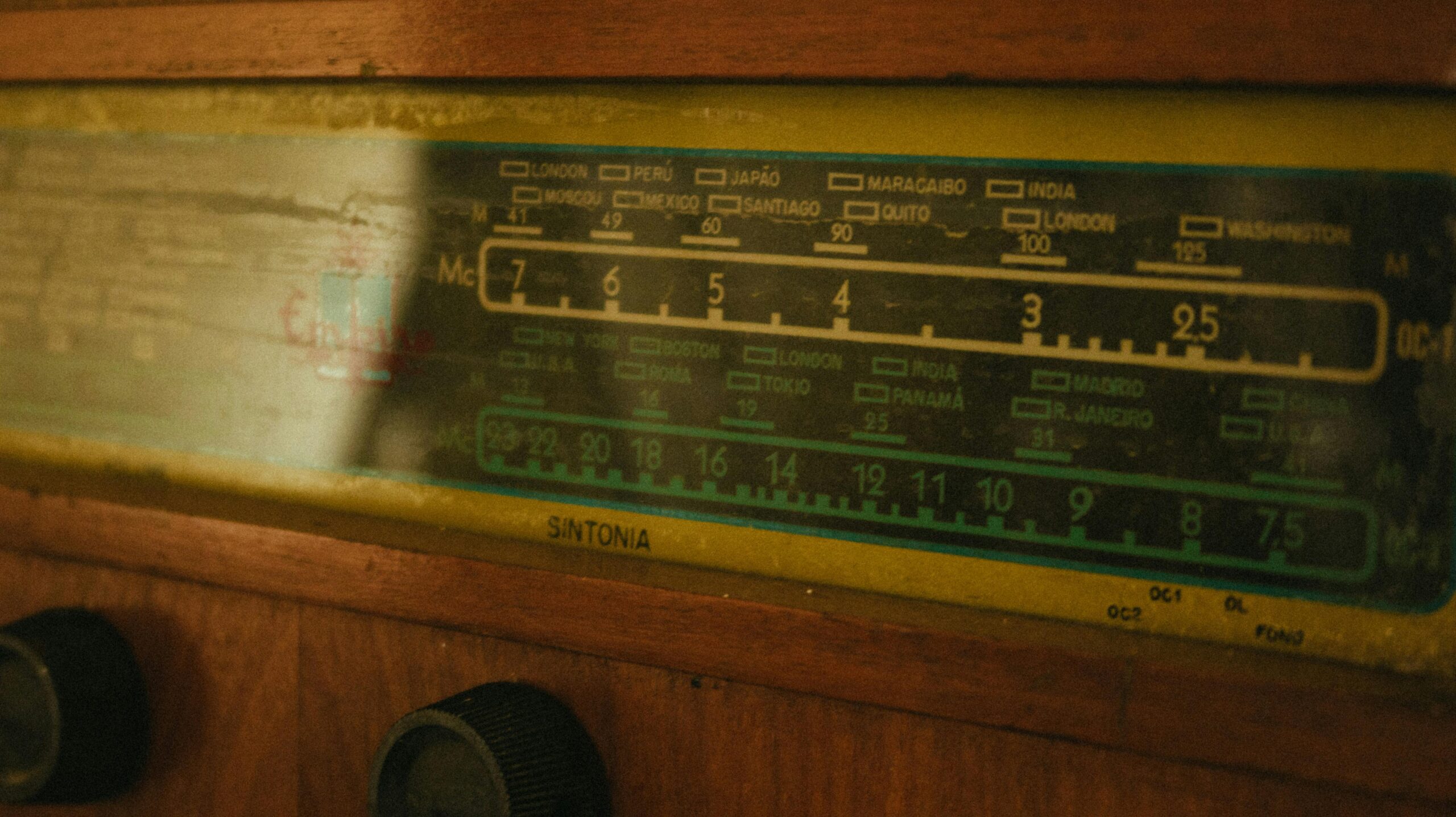
Vintage radio receivers have become collectible items, appreciated for their craftsmanship, historical significance, and nostalgic appeal. Enthusiasts restore antique sets, preserving broadcasting heritage while enjoying functional art pieces.
The aesthetic beauty of mid-century radios, with their wooden cabinets and illuminated dials, appeals to collectors and interior designers alike. These devices represent an era when everyday appliances received thoughtful, artistic design attention.
Radio memorabilia extends beyond receivers to include station promotional items, broadcasting equipment, and documentation of significant broadcasts. This collecting community helps preserve radio history for future generations.
💡 The Future of AM/FM Broadcasting
While some predict radio’s demise, the medium continues adapting and finding new relevance. Hybrid approaches combining traditional broadcasting with digital enhancements create richer experiences without abandoning radio’s core strengths.
Localism remains radio’s competitive advantage. National streaming services can’t provide the hyper-local news, weather, traffic, and community information that local stations deliver. This geographic specificity ensures continued demand for traditional broadcasting.
Emerging technologies like in-band on-channel (IBOC) digital radio allow stations to broadcast high-quality digital signals alongside traditional analog ones, ensuring compatibility while improving audio fidelity for equipped receivers.
🎙️ Starting Your Own Radio Experience
Modern technology makes participating in radio more accessible than ever. Internet radio stations can launch with minimal investment, allowing passionate broadcasters to reach global audiences from home studios.
Podcasting has democratized audio content creation, though live radio broadcasting maintains unique appeal. The immediacy of live shows, listener interaction, and spontaneous moments create excitement that pre-recorded content lacks.
Community radio licenses remain available in many regions, enabling neighborhoods, schools, and organizations to operate low-power stations serving specific areas. These opportunities keep radio diverse and community-focused.
🌟 Why Radio Still Matters Today
In an increasingly fragmented media landscape, radio provides shared experiences. When major events occur, people still tune to trusted radio sources for immediate, reliable information and communal processing of significant moments.
The accessibility of radio—requiring no subscriptions, internet connections, or complex interfaces—ensures it reaches audiences regardless of economic status or technical sophistication. This democratic nature keeps radio socially relevant.
Radio’s intimacy creates unique listener relationships. The medium speaks directly to individuals while simultaneously connecting them to larger communities, balancing personal connection with collective experience in ways other media struggle to achieve.
As broadcasting technology evolves and consumption habits shift, AM/FM radio demonstrates remarkable resilience. Its fundamental appeal—immediate, free, local, and personal communication—transcends technological changes and continues meeting essential human needs for connection, information, and entertainment.
