
Anúncios
Radio AM/FM continues to thrive as one of the most accessible and beloved forms of media worldwide, connecting millions of listeners to music, news, and entertainment daily.


Despite the digital revolution and the rise of streaming platforms, traditional radio broadcasting maintains a special place in people’s hearts. The simplicity of tuning into your favorite station, whether during morning commutes or late-night drives, creates an intimate connection that modern technology hasn’t quite replicated.
Anúncios
From its humble beginnings over a century ago to today’s sophisticated broadcasting systems, radio AM/FM has evolved while staying true to its core mission: bringing voices, stories, and melodies directly into our lives. Let’s explore the fascinating world of radio broadcasting and discover why it remains remarkably relevant in our digital age. 📻
The Fundamental Difference Between AM and FM Radio
Understanding the distinction between AM (Amplitude Modulation) and FM (Frequency Modulation) is essential for appreciating how radio works. These two technologies represent different methods of encoding audio information onto radio waves, each with unique characteristics and applications.
Anúncios
AM radio modulates the amplitude of the carrier wave while keeping frequency constant. This method, developed first, proved incredibly effective for long-distance transmission. AM signals can travel hundreds or even thousands of miles, especially at night when atmospheric conditions favor signal propagation. However, AM is more susceptible to electrical interference from storms, power lines, and electronic devices.
FM radio takes a different approach by modulating the frequency while maintaining constant amplitude. This technique produces superior sound quality with less static and interference. FM broadcasts deliver richer audio with better fidelity, making it ideal for music programming. The trade-off is a shorter transmission range, typically limited to line-of-sight distances of 30 to 40 miles.
Technical Specifications That Matter
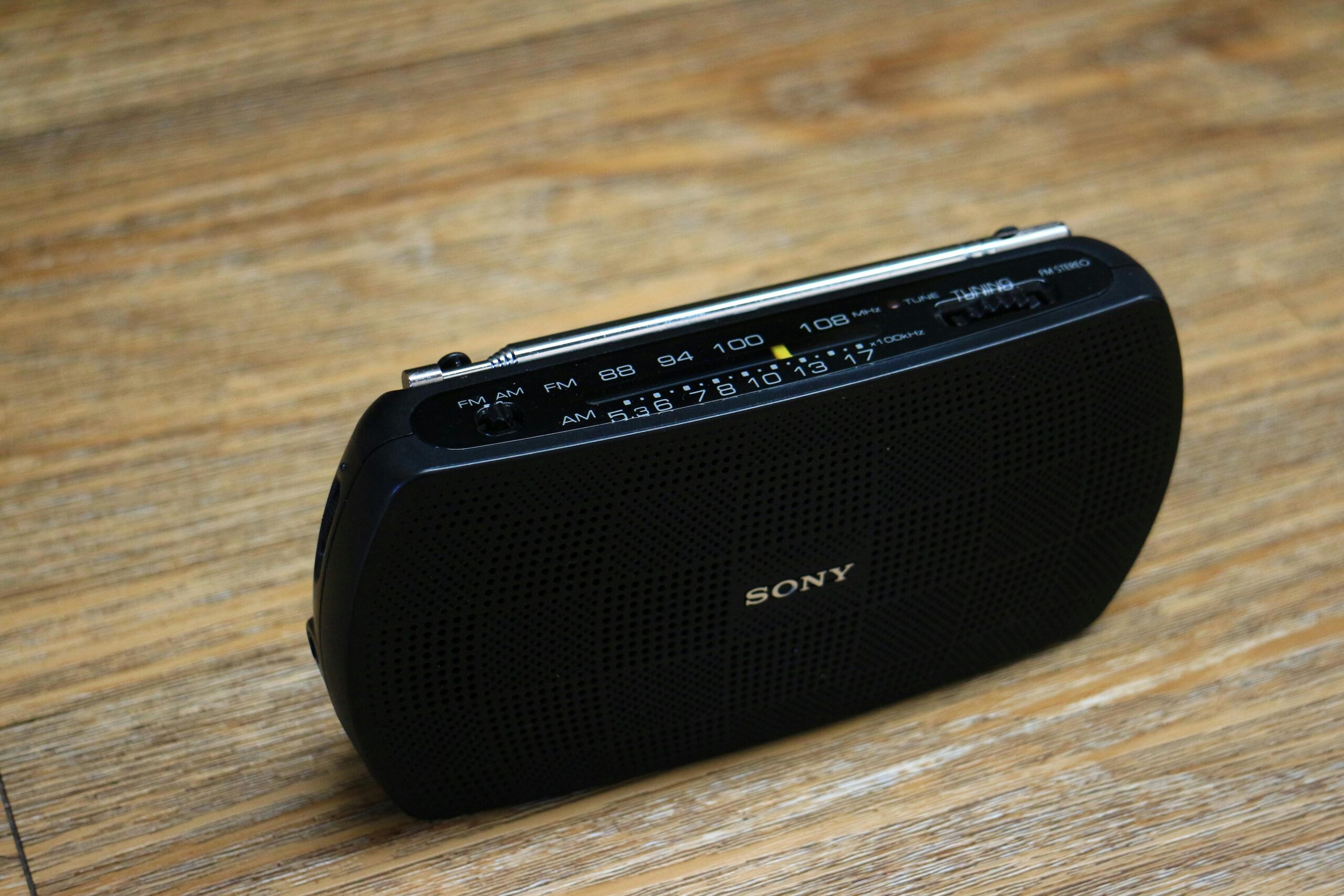
AM stations broadcast on frequencies between 535 and 1705 kilohertz (kHz), divided into channels spaced 10 kHz apart in most countries. This bandwidth limitation restricts audio quality to approximately 5 kHz, which is sufficient for talk radio but lacks the richness required for high-fidelity music reproduction.
FM stations operate in the 88 to 108 megahertz (MHz) range, with each station occupying 200 kHz of bandwidth. This wider bandwidth allows for audio frequencies up to 15 kHz, closely matching the human hearing range and delivering excellent sound quality. FM also supports stereo broadcasting, adding depth and spatial dimension to audio content.
The Golden Era of Radio Broadcasting 🎙️
The 1920s through the 1950s marked radio’s golden age, when families gathered around ornate wooden receivers to enjoy serialized dramas, comedy shows, and live music performances. Radio personalities became household names, and their voices carried authority and intimacy simultaneously.
This period witnessed the birth of radio journalism, with news bulletins keeping the public informed during critical moments like World War II. Edward R. Murrow’s broadcasts from London during the Blitz exemplified radio’s power to transport listeners across continents and into historic events as they unfolded.
Music programming evolved from live orchestral performances to recorded content, introducing audiences to diverse genres and artists. Radio stations became tastemakers, launching careers and shaping popular culture in ways that resonated for decades.
How Radio Shaped Society
Radio broadcasting democratized information and entertainment, reaching remote rural areas where other media couldn’t penetrate. Farmers received weather forecasts and market prices, while isolated communities connected with the broader world through news and cultural programming.
The medium fostered national identity and unity, creating shared experiences across geographic and social boundaries. Presidential addresses, sporting events, and cultural moments became collective memories, binding diverse populations through simultaneous listening experiences.

Modern Radio in the Digital Age
Today’s radio landscape blends traditional broadcasting with digital innovation, creating hybrid experiences that honor radio’s heritage while embracing technological advancement. Many stations simulcast online, extending their reach globally and allowing expatriates to stay connected with hometown stations from anywhere.
HD Radio technology has emerged as a significant upgrade to traditional FM broadcasting, offering crystal-clear digital audio quality while maintaining backward compatibility with conventional receivers. Stations can broadcast multiple channels on a single frequency, providing listeners with additional programming options without requiring new spectrum allocation.
Podcasting and on-demand content complement live broadcasting, allowing radio personalities to extend their presence beyond scheduled air time. Many successful podcasts originated from radio programs, demonstrating the medium’s ability to adapt and generate content for multiple distribution channels.
The Resilience of Terrestrial Radio
Despite predictions of its demise, terrestrial radio demonstrates remarkable staying power. Over 90% of Americans listen to AM/FM radio weekly, with average listening times remaining consistently high. The medium’s accessibility requires no subscription fees, data plans, or complex technology—just a simple receiver.
Radio excels during emergencies when internet and cellular networks become overloaded or fail completely. Battery-powered or hand-crank radios provide critical information during natural disasters, making AM/FM broadcasting an essential component of emergency preparedness infrastructure.
Why Radio Still Matters Today 💡
Radio’s intimate nature creates unique connections between hosts and listeners that algorithmic playlists struggle to replicate. Skilled disc jockeys curate musical journeys, introduce new artists, and provide context that enriches the listening experience. Their personalities become companions during daily routines, offering comfort, humor, and human connection.
Local radio serves communities in ways that national streaming services cannot match. Station personalities become familiar voices providing traffic updates, weather forecasts, school closings, and community announcements tailored to specific geographic areas. This hyperlocal focus builds loyalty and relevance that transcends mere entertainment.
Talk radio creates forums for discussion on politics, sports, finance, and countless other topics, allowing listeners to participate through call-ins and social media interaction. These programs foster communities of like-minded individuals who share passions and perspectives, creating belonging in an increasingly fragmented media landscape.
Radio’s Role in Music Discovery
While streaming algorithms predict preferences based on listening history, radio introduces serendipity—unexpected discoveries that algorithm-driven recommendations often miss. Hearing an unfamiliar song between familiar favorites creates magical moments of musical discovery that many listeners treasure.
Radio programmers blend science and art, understanding flow, mood, and audience preferences in ways that create satisfying listening experiences. Their expertise considers factors like time of day, season, and current events, crafting soundtracks that resonate with listeners’ lives.
Global Reach and Cultural Impact 🌍
International shortwave broadcasting, though diminished from its Cold War peak, continues connecting global audiences with diverse perspectives. Services like BBC World Service, Voice of America, and Radio France Internationale provide news and cultural programming to regions with limited media freedom or internet access.
In developing nations, radio remains the primary mass medium, reaching populations without reliable electricity or internet connectivity. Solar-powered and battery-operated radios deliver education, health information, and agricultural guidance to remote communities, supporting development initiatives and improving quality of life.
Community radio stations give voice to marginalized groups, indigenous populations, and local cultures, preserving languages and traditions while fostering civic engagement. These grassroots broadcasters operate with modest resources but generate outsized impact by addressing specific community needs and interests.
Technical Advances Enhancing the Experience
RDS (Radio Data System) technology displays station information, song titles, and artist names on compatible receivers, bridging the gap between traditional broadcasting and digital expectations. This metadata enhances the listening experience without requiring fundamental infrastructure changes.
Smart speakers and voice assistants now include AM/FM tuners or integrate with streaming versions of local stations, making radio accessible through modern interfaces. Commands like “play the local jazz station” combine convenience with the curated experience that radio provides.
Automotive integration continues evolving, with car manufacturers maintaining robust AM/FM capabilities alongside satellite and streaming options. The dashboard real estate dedicated to radio controls acknowledges its enduring importance to drivers who comprise a significant portion of radio’s audience.
The Future of Radio Technology
DRM (Digital Radio Mondiale) represents the next evolution for AM and shortwave broadcasting, promising FM-quality sound on traditional AM frequencies. While adoption has been gradual, this technology could revitalize AM broadcasting, particularly for news and talk formats that don’t require FM’s full bandwidth.
5G networks enable new radio experiences, from enhanced mobile streaming to immersive audio formats that could transform how we perceive radio content. These technologies complement rather than replace traditional broadcasting, expanding possibilities for creative programming.
Making the Most of Your Radio Listening 📱
Modern radio apps transform smartphones into powerful receivers capable of accessing thousands of stations worldwide. These applications often include features like recording, station discovery algorithms, sleep timers, and alarm functions that enhance the traditional radio experience.
Choosing quality receivers still matters for optimal sound. Tabletop radios with good speakers deliver superior audio compared to smartphone speakers, while portable models with extended battery life prove invaluable during outdoor activities or emergencies.
Exploring different formats reveals radio’s diversity—jazz stations, classical music broadcasters, sports networks, religious programming, and niche formats catering to specific interests. This variety ensures that virtually everyone can find content that resonates with their preferences and values.
Building Your Personal Radio Experience
Preset buttons allow quick access to favorite stations, creating personalized channel lineups tailored to different moods and activities. Morning news stations, midday music channels, and evening talk shows can all be accessed with single button presses.
Participating in station events, contests, and call-in programs transforms passive listening into active engagement. Many stations reward loyal listeners with concert tickets, merchandise, and exclusive experiences that deepen connections between audiences and broadcasters.
The Economics of Radio Broadcasting
Advertising revenue remains radio’s primary funding source, with local businesses appreciating the targeted reach that community stations provide. National brands also recognize radio’s effectiveness for building awareness and driving sales, particularly among demographics that consume less television.
Sponsorships and underwriting support public and community radio stations, allowing them to operate without commercial interruptions while maintaining financial sustainability. Listener contributions during fundraising drives demonstrate audience appreciation and willingness to support valued programming.
Consolidation has reshaped the industry, with large broadcasting groups owning multiple stations in major markets. This consolidation creates efficiencies but sometimes reduces local programming in favor of syndicated content, sparking debates about radio’s community service obligations.
Preserving Radio’s Legacy While Embracing Tomorrow
Radio museums and archives preserve historic broadcasts, vintage equipment, and the stories of broadcasting pioneers. These institutions educate new generations about radio’s cultural significance and technological innovation, ensuring that this important heritage isn’t forgotten.
Amateur radio operators, or hams, keep alive the spirit of experimentation and communication that birthed commercial broadcasting. Their community-focused, non-commercial activities demonstrate radio’s potential for building connections and serving during emergencies when commercial infrastructure fails.
Educational programs teaching broadcasting skills prepare the next generation of radio professionals, blending traditional techniques with digital competencies. These programs emphasize storytelling, audio production, and audience engagement—skills that remain valuable across evolving media platforms.
Why Radio Continues Captivating Audiences ✨
The theater of the mind that radio creates allows listeners to visualize stories and experiences in personally meaningful ways. Unlike video content that shows everything, radio sparks imagination, making each listener’s experience unique and deeply personal.
Radio’s background-friendly nature fits modern multitasking lifestyles. Listeners can enjoy programming while driving, working, exercising, or performing household tasks—situations where visual media proves impractical or impossible.
The human voice carries emotion, authority, and personality in ways that text cannot match. Skilled broadcasters become trusted friends whose presence enriches daily routines, providing comfort during difficult times and celebration during joyful moments.
Radio AM/FM stands as a testament to the enduring power of audio communication. While delivery methods evolve and technology advances, the fundamental appeal of voices and music transmitted through the airwaves remains constant. Whether through traditional receivers or modern streaming apps, radio continues connecting people, sharing stories, and soundtracking our lives with the same magic that captivated audiences over a century ago. The simplicity, accessibility, and intimacy of radio ensure it will remain relevant and cherished for generations to come.
