
Anúncios
Crochet is more than just a craft—it’s a creative journey that transforms simple yarn into stunning handmade masterpieces, offering relaxation, self-expression, and endless possibilities.


From delicate doilies to cozy blankets, crochet has captivated crafters for centuries. This versatile textile art form uses a single hooked needle to interlock loops of yarn, creating fabric with limitless design potential. Whether you’re looking to unwind after a long day or produce handmade gifts for loved ones, crochet offers therapeutic benefits alongside tangible rewards.
Anúncios
The beauty of crochet lies in its accessibility—beginners can start with simple stitches and gradually progress to intricate patterns. With countless tutorials, communities, and modern tools available, there’s never been a better time to explore this rewarding hobby. Let’s dive deep into the world of crochet and discover why millions worldwide have fallen in love with this timeless craft. 🧶
The Fascinating History Behind Crochet
Crochet’s exact origins remain somewhat mysterious, but evidence suggests the craft emerged in the early 19th century across Europe and South America. Unlike knitting, which has ancient roots, crochet appears to be a relatively modern innovation in textile arts.
Anúncios
Some historians believe crochet evolved from traditional Chinese needlework, while others point to Arabian, South American, or European origins. What’s certain is that crochet gained tremendous popularity during the Victorian era, when Irish crochet lace became a highly sought-after luxury item.
Irish crochet emerged during the Great Irish Famine (1845-1849) as a means of economic survival. Families created intricate lace pieces that were sold to wealthy customers across Europe and America. These exquisite works featured raised floral motifs and delicate patterns that showcased remarkable skill and artistry.
Throughout the 20th century, crochet evolved from necessity to leisure activity. The 1960s and 70s saw a revival with colorful granny squares and bohemian-style garments. Today, crochet experiences a modern renaissance, blending traditional techniques with contemporary design sensibilities.
Essential Tools and Materials Every Crocheter Needs
Starting your crochet journey requires surprisingly few supplies, making it an affordable and accessible craft. Here’s what you’ll need to begin:
Crochet Hooks – Your Primary Tool
Crochet hooks come in various sizes, typically ranging from 0.6mm to 25mm or larger. The size you choose depends on your project and yarn weight. Hooks are made from different materials:
- Aluminum hooks: Lightweight, smooth, and ideal for beginners
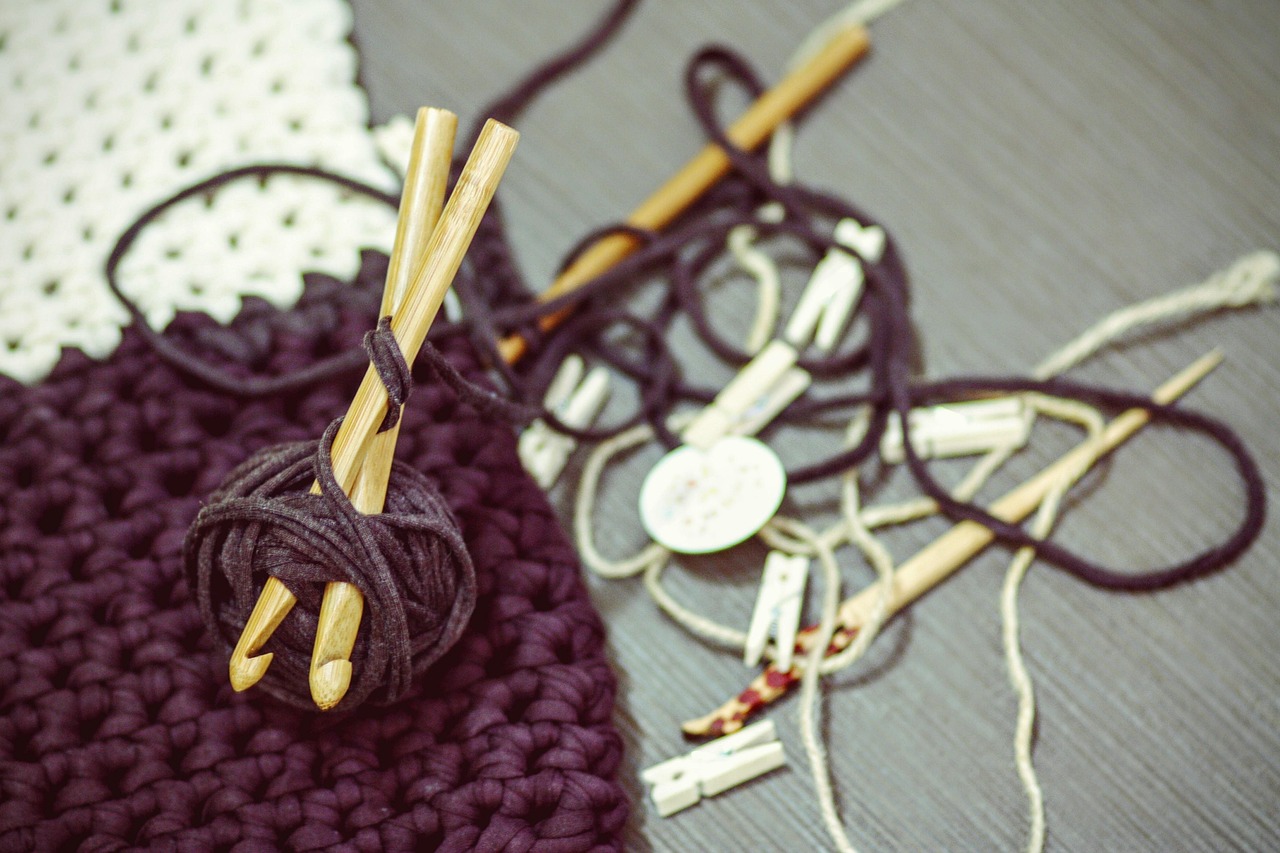
- Bamboo or wooden hooks: Warm to the touch with a slight grip, perfect for those who prefer natural materials
- Ergonomic hooks: Designed with comfort handles to reduce hand strain during extended projects
- Steel hooks: Small sizes used for delicate thread work and lace making
Yarn Selection – Endless Possibilities ✨
Yarn comes in countless fibers, weights, and colors. Common fiber types include:
- Acrylic: Budget-friendly, easy-care, and available in vibrant colors
- Cotton: Breathable, durable, and excellent for dishcloths, summer garments, and amigurumi
- Wool: Warm, elastic, and traditional for blankets and winter accessories
- Blends: Combining fibers to achieve specific qualities like softness, durability, or drape
Yarn weight categories range from lace (0) to jumbo (7), with medium weight (4) being the most popular for beginners. Each weight requires a corresponding hook size for optimal results.
Helpful Accessories
While not strictly necessary, these accessories enhance your crochet experience:
- Stitch markers to track pattern repeats
- Yarn needles for weaving in ends
- Scissors for cutting yarn
- Measuring tape for checking gauge and dimensions
- Row counters to track progress
- Pattern holders or digital devices for viewing instructions
Fundamental Stitches Every Beginner Should Master
Crochet consists of just a handful of basic stitches that combine to create unlimited pattern possibilities. Mastering these foundations opens the door to countless projects.
The Chain Stitch (ch)
The chain stitch is the very foundation of crochet. Nearly every project begins with a series of chain stitches called the foundation chain. This simple loop-through-loop technique creates the base upon which all other stitches are built.
Slip Stitch (sl st)
The shortest stitch in crochet, slip stitches are primarily used for joining rounds, moving across stitches without adding height, and creating smooth edges. They’re essential for circular projects and decorative finishes.
Single Crochet (sc)
Single crochet creates a tight, dense fabric perfect for amigurumi, sturdy bags, and structured garments. It’s often the first stitch beginners learn after the chain, and it’s wonderfully versatile. 🎯
Half Double Crochet (hdc)
This medium-height stitch bridges the gap between single crochet and double crochet. It produces a fabric with nice drape that’s neither too stiff nor too loose—ideal for scarves, hats, and baby blankets.
Double Crochet (dc)
Double crochet works up quickly and creates an open, flexible fabric. It’s perfect for blankets, shawls, and lightweight garments. Many popular patterns rely heavily on this versatile stitch.
Treble Crochet (tr)
The tallest common stitch, treble crochet creates airy, lacy fabric that’s beautiful in shawls and decorative projects. Once you’ve mastered the previous stitches, treble crochet follows the same logical pattern with additional yarn overs.

Popular Crochet Project Ideas for Every Skill Level
One of crochet’s greatest advantages is the incredible variety of projects available. Whether you have an hour or a hundred hours to dedicate, there’s a perfect project waiting.
Beginner-Friendly Projects
Starting simple helps build confidence and skills without overwhelming frustration:
- Dishcloths: Quick, practical, and forgiving of tension inconsistencies
- Scarves: Straightforward rectangular shapes that practice basic stitches
- Headbands: Small accessories with minimal yarn investment
- Coasters: Tiny projects perfect for experimenting with new stitches
- Simple blankets: Repetitive stitch patterns that build muscle memory
Intermediate Creations
Once comfortable with basic stitches, intermediate projects introduce shaping, colorwork, and pattern reading:
- Granny square blankets: Iconic motifs joined to create stunning coverlets
- Beanies and hats: Working in the round with decreases for shaping
- Market bags: Functional items that combine utility with eco-consciousness
- Baby blankets with texture: Incorporating bobbles, puffs, and cables
- Simple garments: Cardigans or vests with basic construction
Advanced Challenges
Experienced crocheters can tackle complex projects requiring patience and precision:
- Intricate lace shawls: Delicate patterns with blocking for dramatic effect
- Amigurumi creatures: Three-dimensional stuffed toys with detailed assembly
- Tapestry crochet: Colorwork techniques creating pictorial designs
- Wearable garments: Sweaters, dresses, and tops with fitted shaping
- Irish crochet lace: Traditional raised motifs requiring advanced skills
The Mental Health Benefits of Crochet 🧠💚
Beyond creating beautiful objects, crochet offers significant psychological and emotional benefits supported by research.
Studies show that repetitive crafts like crochet activate the same brain regions as meditation, inducing a state of flow that reduces stress and anxiety. The rhythmic motion of stitching produces a calming effect similar to mindfulness practices.
Crochet also provides tangible accomplishment. Watching a project grow from a simple chain to a finished piece delivers genuine satisfaction and boosts self-esteem. This is particularly valuable for individuals managing depression or recovering from illness.
The craft engages both hemispheres of the brain—the left side handles counting and pattern following, while the right side manages creativity and color choices. This bilateral brain stimulation may help improve cognitive function and memory retention.
Social connection represents another powerful benefit. Crochet circles, online communities, and charity groups create opportunities for meaningful relationships built around shared interests. These connections combat loneliness and provide support networks.
Understanding Crochet Patterns and Terminology
Learning to read crochet patterns unlocks unlimited project possibilities. While initially intimidating, pattern reading becomes intuitive with practice.
Written Patterns vs. Charts
Crochet patterns come in two main formats. Written patterns use abbreviations and row-by-row instructions in text form. Charts present visual symbols representing each stitch, showing exactly how the finished fabric should look.
Many crocheters prefer charts for complex colorwork or lace patterns, while others find written instructions clearer. Learning both formats provides maximum flexibility.
Common Abbreviations
Patterns use standardized abbreviations to save space. Common examples include:
- ch = chain
- sc = single crochet
- dc = double crochet
- inc = increase (work 2 stitches in one stitch)
- dec = decrease (combine 2 stitches into one)
- rep = repeat
- RS/WS = right side/wrong side
Gauge – The Key to Proper Fit
Gauge refers to the number of stitches and rows per inch in your crochet fabric. Matching the pattern’s specified gauge ensures your finished project will be the correct size.
Individual tension varies between crocheters, so always create a gauge swatch before starting garments or fitted items. Adjust hook size up or down until your gauge matches the pattern specifications.
Modern Technology Meets Traditional Craft
Today’s crocheters benefit from technological innovations that enhance the traditional craft experience. Digital pattern libraries, video tutorials, and mobile applications make learning more accessible than ever before.
Social media platforms showcase inspiring projects and connect crafters globally. Instagram, Pinterest, and TikTok feature countless crochet creators sharing tips, patterns, and finished works. These platforms spark creativity and provide endless inspiration.
Specialized apps help crocheters track projects, store patterns digitally, count rows automatically, and even generate custom patterns from photos. These tools complement traditional methods rather than replacing them, offering convenience without sacrificing the handmade essence of the craft.
Online marketplaces allow independent designers to sell unique patterns directly to consumers, supporting small businesses while giving crocheters access to innovative designs unavailable in traditional pattern books.
Sustainable and Eco-Friendly Aspects of Crochet 🌱
In an era of fast fashion and disposable goods, crochet represents a sustainable alternative that aligns with conscious consumption values.
Handmade crocheted items last significantly longer than mass-produced alternatives. Quality yarn and careful craftsmanship create durable pieces that can be used, loved, and passed down through generations.
Many crocheters embrace eco-friendly yarn options including organic cotton, recycled fibers, bamboo, and sustainably sourced wool. These materials minimize environmental impact while producing beautiful results.
Crochet also enables creative reuse of materials. Old t-shirts can be cut into “yarn” for rugs and baskets. Leftover yarn scraps combine in colorful granny squares or scrap blankets, eliminating waste.
Creating your own clothing, accessories, and home goods reduces reliance on industrial manufacturing with its associated environmental costs. Each handmade item represents a choice for sustainability and mindful consumption.
Building Skills Through Community and Resources
No crocheter learns in isolation. The global crochet community offers generous support, knowledge sharing, and encouragement for crafters at every level.
Local Crochet Groups and Classes
Many yarn shops, libraries, and community centers host crochet circles where beginners receive hands-on guidance. These gatherings provide social connection alongside skill development, creating friendships centered on shared passion.
Online Learning Platforms
YouTube channels dedicated to crochet offer free video tutorials covering every technique imaginable. Watching stitches demonstrated in real-time helps visual learners master new skills more effectively than written instructions alone.
Dedicated crochet websites feature comprehensive tutorials, free patterns, troubleshooting guides, and forums where experienced crocheters answer questions. This wealth of information democratizes learning, making expert knowledge accessible worldwide.
Social Media Communities
Facebook groups, Reddit communities, and Discord servers bring together crocheters who share works in progress, solve pattern problems collaboratively, and celebrate finished projects. These supportive spaces welcome beginners and experts alike.
Crochet for Charity – Creating With Purpose 💝
Many crocheters find deep fulfillment in using their skills to benefit others. Charitable crochet combines creative expression with meaningful contribution.
Organizations like Project Linus collect handmade blankets for seriously ill children. Crocheters create comforting blankets that provide warmth and security during difficult hospital stays.
Preemie hat programs supply tiny caps for premature babies in neonatal intensive care units. These small projects offer beginners meaningful ways to contribute while practicing basic skills.
Homeless shelters welcome donations of warm scarves, hats, and blankets. Prayer shawls provide comfort to individuals facing illness or loss. Chemo caps offer dignity to cancer patients experiencing hair loss.
Charitable crochet transforms yarn into tangible expressions of compassion, demonstrating how creative skills can make genuine differences in others’ lives.
Troubleshooting Common Beginner Challenges
Every crocheter encounters obstacles while learning. Understanding common problems and their solutions accelerates skill development.
Inconsistent Tension
New crocheters often struggle with uneven tension, creating fabric that’s too tight or too loose. Practice is the ultimate solution, but consciously relaxing your grip and maintaining consistent yarn tension helps achieve even stitches.
Losing or Gaining Stitches
Projects that mysteriously grow wider or narrower typically result from missed stitches at row ends or accidental increases. Using stitch markers at the beginning and end of each row helps maintain accurate stitch counts.
Curling Edges
Edges that curl often indicate tension issues or incorrect hook size. Blocking finished pieces can help, as can adjusting tension or trying a larger hook.
Difficulty Reading Patterns
Pattern terminology feels like a foreign language initially. Keep an abbreviation guide handy, work through simple patterns repeatedly, and don’t hesitate to seek clarification in online communities.
Taking Your Crochet Skills to the Next Level
As basic techniques become comfortable, expanding your skill set keeps crochet fresh and exciting.
Colorwork techniques like tapestry crochet, intarsia, and planned pooling create stunning visual effects. These methods transform simple stitches into pictorial designs and gradient effects.
Tunisian crochet uses an elongated hook to create fabric resembling knitting. This hybrid technique produces beautiful texture and drape, expanding creative possibilities.
Broomstick lace, hairpin lace, and overlay crochet introduce specialized techniques that create distinctive looks impossible with basic stitches alone.
Garment construction skills including shaping, seaming, and finishing elevate projects from beginner to professional quality. Learning proper assembly techniques ensures wearable items fit beautifully and last longer.
The Future of Crochet in a Digital Age ✨
Rather than becoming obsolete, crochet thrives in the digital era. Young crafters embrace crochet as a counterbalance to screen-dominated lives, seeking tactile creativity and tangible accomplishments.
Social media showcases innovative designs that attract new generations to the craft. Contemporary crocheters create streetwear-inspired garments, home décor matching modern aesthetics, and artistic installations pushing traditional boundaries.
The maker movement celebrates handcraft skills, valuing the unique character of handmade items over mass production. Crochet fits perfectly within this cultural shift toward authenticity and individual expression.
Technology enhances rather than replaces traditional techniques. Digital tools make patterns more accessible, communities more connected, and learning more intuitive—all while the fundamental joy of creating with hook and yarn remains unchanged.
Whether you’re seeking a relaxing hobby, creative outlet, or meaningful skill, crochet offers endless rewards. From that first chain stitch to complex masterpieces, every crocheter’s journey is unique. The welcoming community, therapeutic benefits, and beautiful results make crochet a truly special craft that continues captivating hearts worldwide. Pick up a hook, choose your favorite yarn, and discover the magic waiting in every stitch. 🧶💕
