
Anúncios
Crochet is more than just a craft—it’s a meditative art form that transforms simple yarn into beautiful, functional creations with just a hook and your hands.


Whether you’re looking for a relaxing hobby, a way to create personalized gifts, or even a potential side business, crochet offers endless possibilities. The rhythmic motion of the hook pulling yarn through loops has captivated crafters for generations, and today’s digital age has made learning easier than ever before.
Anúncios
From cozy blankets and stylish garments to adorable amigurumi creatures and home décor, the world of crochet welcomes everyone—regardless of age or experience level. This comprehensive guide will walk you through everything you need to know to start your crochet journey with confidence. 🧶
Why Crochet Is Experiencing a Modern Renaissance ✨
Crochet has surged in popularity over recent years, especially among younger generations seeking mindful activities that offer a break from screen time. Social media platforms showcase stunning crochet projects daily, inspiring millions to pick up a hook and try their hand at this versatile craft.
Anúncios
The mental health benefits of crochet are well-documented. Studies have shown that repetitive crafting activities can reduce stress, lower blood pressure, and even help manage anxiety and depression. The meditative quality of creating stitch after stitch provides a sense of accomplishment while keeping your hands productively busy.
Additionally, crochet aligns perfectly with the growing sustainability movement. Creating your own clothing, accessories, and household items reduces reliance on fast fashion and mass-produced goods. You control the materials, ensuring quality and ethical sourcing while reducing waste.
Essential Supplies Every Beginner Needs 🎒
Starting your crochet journey doesn’t require a massive investment. In fact, you can begin with just two basic items: a crochet hook and yarn. However, having a few additional tools will make your experience more enjoyable and help you tackle a wider variety of projects.
Crochet Hooks: Finding Your Perfect Match
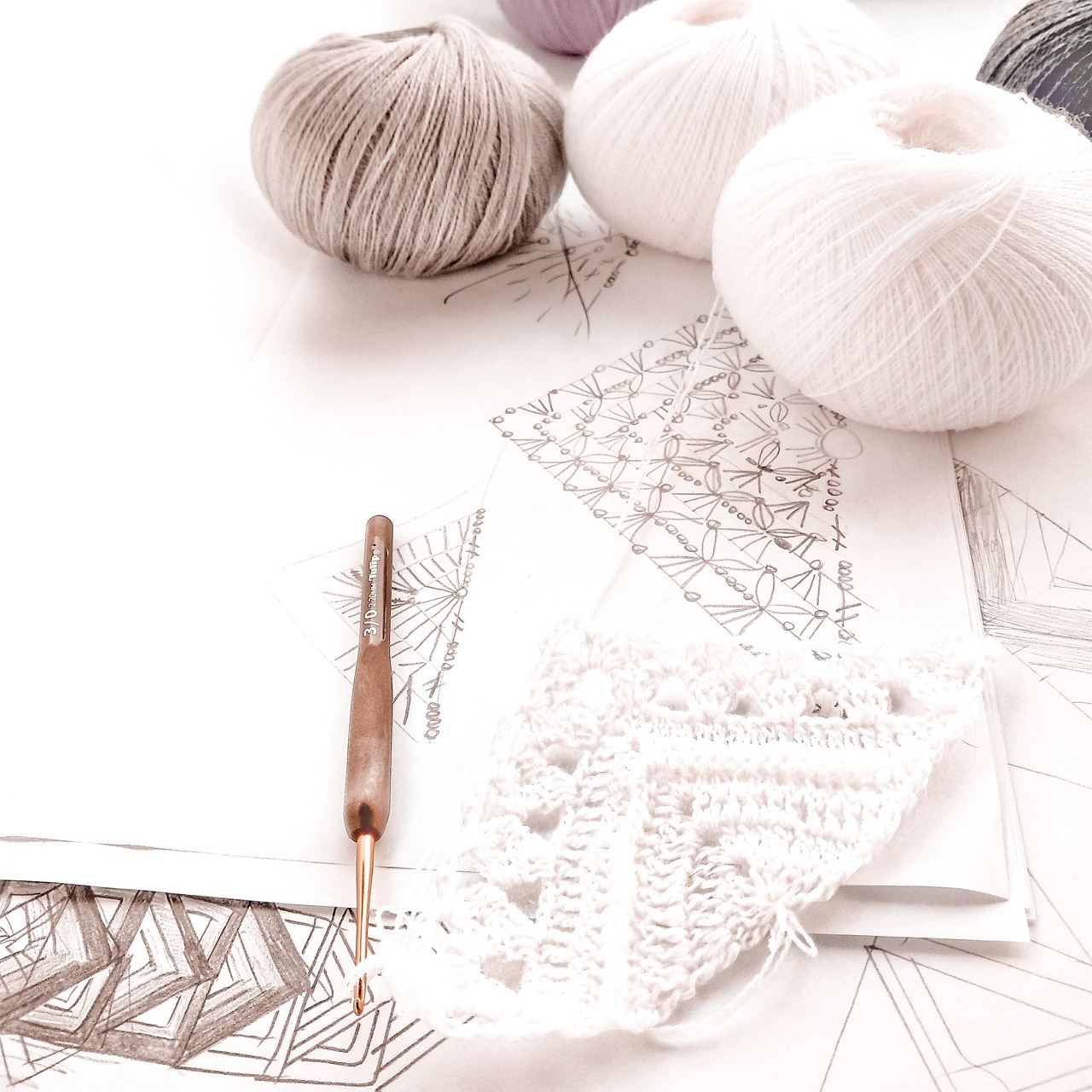
Crochet hooks come in various sizes, materials, and styles. For beginners, a medium-sized hook (around 5mm or H/8 in US sizing) works wonderfully with worsted weight yarn. Hooks are made from aluminum, plastic, bamboo, wood, and ergonomic materials designed to reduce hand strain.
Aluminum hooks are affordable and durable, making them ideal for beginners. Ergonomic hooks with cushioned handles help prevent cramping during longer crafting sessions. As you develop your skills, you’ll discover which hook style feels most comfortable in your hand.
Yarn Selection: Understanding Weights and Fibers
Yarn comes in numerous weights, from ultra-fine thread to super bulky options. For your first projects, worsted weight yarn (also called medium or #4 weight) offers the best balance of manageability and visible stitches, making it easier to see what you’re doing.
Common fiber types include acrylic, cotton, wool, and blends. Acrylic yarn is budget-friendly, easy to care for, and widely available in countless colors. Cotton works beautifully for dishcloths, summer garments, and items that need frequent washing. Wool provides warmth and elasticity, perfect for winter accessories.
Additional Helpful Tools
- Yarn needles (also called tapestry needles) for weaving in ends
- Stitch markers to keep track of rounds and pattern placement
- Small scissors for cutting yarn cleanly
- Measuring tape for checking gauge and project dimensions
- Row counter to track your progress on complex patterns
Fundamental Crochet Stitches to Master First 🎯
All crochet patterns are built from a handful of basic stitches. Once you master these foundational techniques, you’ll be able to tackle countless projects with confidence. The beauty of crochet lies in how these simple stitches combine to create intricate textures and designs.

The Slip Knot and Foundation Chain
Every crochet project begins with a slip knot, which secures your yarn to the hook. From there, you’ll create a foundation chain—a series of loops that serves as the base for your work. Think of the chain as the foundation of a building; everything else is built upon it.
Creating even, consistent chains takes practice. Don’t worry if your first attempts look uneven—this is completely normal. Your tension will naturally improve as your muscle memory develops.
Single Crochet: The Building Block Stitch
Single crochet creates a tight, dense fabric perfect for amigurumi, potholders, and sturdy items. This short stitch is easy to learn and provides excellent practice for controlling your tension. Many beginner projects use primarily single crochet, allowing you to build confidence while creating useful items.
Double Crochet: Adding Height and Drape
Double crochet stitches are taller than single crochet, creating a more open, flexible fabric that works up faster. This stitch is essential for blankets, scarves, and garments that need drape and movement. Once you’re comfortable with single crochet, double crochet becomes your next important skill.
Half Double Crochet: The Perfect Middle Ground
As the name suggests, half double crochet falls between single and double crochet in height and density. This versatile stitch creates a lovely texture and is frequently used in patterns requiring moderate drape without excessive openness.
Reading Crochet Patterns Like a Pro 📖
Crochet patterns use standardized abbreviations and symbols that might seem confusing at first but become second nature with practice. Understanding pattern language opens up thousands of free and paid designs for you to explore.
Common abbreviations include ch (chain), sc (single crochet), dc (double crochet), st (stitch), and rep (repeat). Patterns also specify gauge—the number of stitches and rows per inch—which ensures your finished project matches the intended size.
Many patterns include both written instructions and charts. Written patterns describe each row or round in text form, while charts use symbols to represent stitches visually. Some crafters prefer one method over the other, while experienced crocheters often use both for complex projects.
First Project Ideas for Beginners 🌟
Choosing the right first project sets you up for success and keeps your motivation high. Start with something small and manageable that you’ll actually use or gift, making the learning process more rewarding.
Dishcloths and Washcloths
These practical squares are perfect first projects. They’re small enough to finish quickly, require only basic stitches, and are incredibly useful. Cotton yarn works best for these kitchen and bathroom essentials, and you’ll appreciate having handmade items you use daily.
Simple Scarves
A basic rectangular scarf teaches you to maintain consistent tension over a longer project. Choose a soft, cozy yarn in a color you love, and work in simple rows of your favorite stitch. Scarves are forgiving—slight irregularities add handmade character rather than appearing as obvious mistakes.
Granny Squares
The classic granny square introduces you to working in rounds rather than rows, a fundamental technique for many crochet projects. These portable squares can be made individually and joined later to create blankets, bags, or garments. Each square works up quickly, providing frequent satisfaction.
Beginner-Friendly Blankets
A simple blanket using basic stitches in rows makes an excellent beginner project if you enjoy working toward a larger goal. Choose a pattern with repetitive rows so you can establish rhythm without constantly referencing instructions. Baby blankets are smaller and more manageable than full-sized afghans.
Common Beginner Mistakes and How to Avoid Them 🔧
Every crocheter makes mistakes—they’re an essential part of the learning process. Recognizing common pitfalls helps you troubleshoot issues and improve more quickly.
Uneven tension is the most frequent beginner challenge. Some stitches feel too tight while others seem loose and floppy. This improves naturally with practice as your hands learn the proper tension. Focus on consistency rather than perfection, and avoid gripping the hook too tightly, which causes hand fatigue.
Accidentally adding or dropping stitches changes your project’s width, creating a trapezoid instead of a rectangle. Count your stitches at the end of each row until this becomes automatic. Stitch markers placed in the first and last stitch of each row help you identify where rows begin and end.
Twisting your foundation chain creates frustration when you try to work into it. Ensure all the chain stitches face the same direction before beginning your first row. If something feels wrong, it probably is—don’t hesitate to pull out stitches and try again.
The Therapeutic Benefits of Crochet 🧘
Beyond creating beautiful items, crochet offers profound mental and emotional benefits that enhance overall wellbeing. The craft provides a productive outlet for stress while engaging your mind in a focused, calming activity.
The repetitive motions of crochet induce a relaxation response similar to meditation. Your breathing naturally slows, heart rate decreases, and stress hormones reduce. Many people find that crochet helps quiet racing thoughts and provides relief from anxiety.
Crochet also offers cognitive benefits. Following patterns, counting stitches, and visualizing finished projects keep your mind sharp and engaged. Research suggests that crafting activities may help maintain cognitive function and potentially reduce the risk of cognitive decline as we age.
The social aspects of crochet shouldn’t be overlooked. Online communities, local crafting groups, and charity organizations connect you with like-minded individuals who share your passion. These connections combat isolation and create meaningful friendships based on shared creative interests.
Expanding Your Skills Beyond the Basics 🚀
Once you’re comfortable with fundamental stitches and simple projects, a whole world of advanced techniques awaits. Gradually challenging yourself keeps the craft exciting and helps you develop impressive skills.
Colorwork and Pattern Stitches
Adding color creates visual interest and allows for incredible creativity. Striping is the simplest colorwork technique, while tapestry crochet and intarsia enable complex designs and images. Textured stitch patterns like shells, bobbles, and popcorn stitches add dimension to your projects.
Amigurumi: Adorable Crocheted Creatures
Amigurumi refers to small, stuffed crochet animals and characters. These charming projects use primarily single crochet worked in continuous rounds. Amigurumi patterns range from simple spheres and cylinders to incredibly detailed creatures with complex shaping.
Garment Construction
Crocheting wearable items involves additional skills like shaping, sizing, and finishing. Start with simple accessories like hats and mittens before progressing to sweaters and cardigans. Understanding gauge becomes crucial when creating fitted garments.
Advanced Techniques to Explore
- Tunisian crochet, which uses a longer hook and creates a unique fabric texture
- Filet crochet for delicate, lacy designs with open and filled spaces
- Broomstick lace for dramatic, elongated loops and vintage-inspired pieces
- Overlay crochet that creates multi-dimensional surface designs
- Irish crochet featuring elaborate motifs and three-dimensional flowers
Building Your Crochet Community 👥
Crochet is more enjoyable when shared with others who understand your excitement over the perfect yarn find or your frustration with a confusing pattern section. Building connections within the crochet community enriches your experience and accelerates your learning.
Online platforms offer countless opportunities to connect. Social media groups dedicated to crochet provide spaces to share projects, ask questions, and find inspiration. Video tutorials on platforms like YouTube offer visual learning for nearly every technique imaginable, often with multiple teaching styles so you can find what works for you.
Local yarn stores frequently host crafting circles where you can meet fellow crocheters in person. These gatherings offer valuable face-to-face instruction and the camaraderie of creating alongside others. Libraries and community centers also organize crafting groups open to all skill levels.
Charity crochet combines your hobby with meaningful contribution. Organizations accept handmade blankets, hats, and other items for people experiencing homelessness, hospital patients, premature babies, and many other causes. Contributing your creations to those in need adds purpose to your practice time.
Turning Your Passion Into Profit 💰
Many crocheters eventually wonder whether they can monetize their skills. While creating a sustainable income from crochet requires realistic expectations and business savvy, several paths can supplement your income or even become a full-time venture.
Selling finished items at craft fairs, online marketplaces, and through social media allows you to share your creations with customers who appreciate handmade goods. Pricing correctly requires calculating material costs, time investment, and market rates while ensuring your work is valued appropriately.
Teaching crochet offers another income stream. You might offer local classes, create online tutorials, write paid patterns, or develop comprehensive courses. Your unique teaching style and approach can resonate with students who struggle to learn from other resources.
Pattern design combines creativity with technical writing. Successful pattern designers create clear, well-tested instructions that others can follow to recreate your original designs. Building a reputation for quality patterns creates passive income as your pattern library grows.
Sustainable and Eco-Friendly Crochet Practices 🌱
As environmental awareness grows, many crocheters seek ways to make their hobby more sustainable. Thoughtful choices about materials and practices reduce your environmental impact while often improving the quality of your finished items.
Natural fibers like organic cotton, bamboo, and ethically sourced wool offer biodegradable alternatives to synthetic yarns. While typically more expensive, natural fibers often feel more luxurious and regulate temperature better than acrylic. Supporting small-scale dyers and fiber producers strengthens sustainable agricultural practices.
Upcycling and destashing reduce waste significantly. Old sweaters can be unraveled and the yarn reused for new projects. Trading or selling yarn you no longer want prevents it from ending up in landfills while giving other crafters access to materials they’ll use.
Creating durable, long-lasting items rather than disposable fast fashion aligns crochet with sustainable living principles. A well-made crocheted sweater or blanket can last decades with proper care, providing warmth and beauty while reducing consumption of mass-produced alternatives.
Caring for Your Crocheted Creations 🧼
Proper care ensures your handmade items remain beautiful for years. Different fibers require specific care methods, so always check yarn labels for manufacturer recommendations.
Most acrylic items can be machine washed and dried, making them ideal for everyday items like dishcloths and baby blankets. However, delicate or hand-dyed yarns typically require hand washing in cool water with gentle detergent. Wool needs special attention to prevent felting—use wool-specific wash and avoid agitation or temperature changes.
Block your finished projects to achieve professional-looking results. Blocking involves wetting the item and shaping it to the correct dimensions, then allowing it to dry completely. This process evens out stitches, opens up lace patterns, and gives garments proper drape.
Store yarn and finished items properly to protect them from moths, moisture, and sunlight. Airtight containers with cedar blocks or lavender sachets deter pests naturally. Keep items out of direct sunlight to prevent fading, and ensure proper ventilation to prevent mildew.
Your Crochet Journey Starts Now 🎉
Crochet offers something truly special—the ability to create beauty, find peace, and make tangible items with just your hands, a hook, and some yarn. Whether you’re drawn to the meditative qualities, the creative possibilities, or the practical applications, crochet welcomes you with open arms and endless potential.
Start small, be patient with yourself, and remember that every expert crocheter was once a complete beginner struggling with their first chain stitch. Your journey is uniquely yours, with no timeline or pressure to progress at any particular pace. Some days you’ll crochet for hours, while other times your projects sit untouched for weeks—both are perfectly fine.
The most important step is simply to begin. Pick up that hook, select some yarn in a color that makes you happy, and create your first stitches. Each loop you pull through is progress, each row completed is an accomplishment, and each finished project is a testament to what you can achieve when you dedicate yourself to learning something new.
Welcome to the wonderful world of crochet—your creative adventure awaits! 🧶✨
