
Anúncios
FM and AM radio on your smartphone brings the traditional broadcasting experience directly to your pocket, combining nostalgia with modern convenience in ways that are reshaping how we consume audio content.


In an era dominated by streaming services and podcasts, radio remains a powerful medium for news, music, and entertainment. The ability to access FM and AM broadcasts through mobile devices has revolutionized accessibility, allowing listeners to tune into their favorite stations anywhere, anytime. Whether you’re commuting, exercising, or relaxing at home, radio on your smartphone offers an immediate connection to live programming.
Anúncios
This technology merges the reliability of traditional broadcasting with the portability of modern smartphones. While streaming platforms require internet connectivity and consume data, radio apps often provide alternative methods of listening that can save bandwidth and offer unique content not available elsewhere. Understanding how to leverage both FM and AM radio on your mobile device opens up a world of listening possibilities. 📻
Understanding FM and AM Radio Technology on Smartphones
The distinction between FM (Frequency Modulation) and AM (Amplitude Modulation) radio extends beyond their technical differences. FM radio typically delivers higher sound quality with better clarity, making it ideal for music stations. AM radio, while offering lower fidelity, travels farther distances and proves invaluable for news, talk shows, and emergency broadcasts.
Anúncios
Many modern smartphones actually contain built-in FM radio chips, though this capability often remains disabled by manufacturers and carriers. These chips allow direct reception of FM signals without requiring internet connectivity. When activated through compatible apps, they provide access to local broadcasts using your headphones as an antenna.
AM radio on smartphones typically works differently. Since most devices lack dedicated AM receivers, AM content usually reaches your phone through internet streaming rather than direct broadcast reception. This approach requires data connectivity but expands your listening options beyond geographical limitations.
Hardware Requirements for Radio Reception
To receive traditional FM broadcasts on your smartphone, certain hardware components must be present. The FM chip needs to be physically installed in the device, and manufacturers must enable its functionality. Unfortunately, not all smartphones support this feature, particularly many iPhone models which have historically excluded FM capabilities.
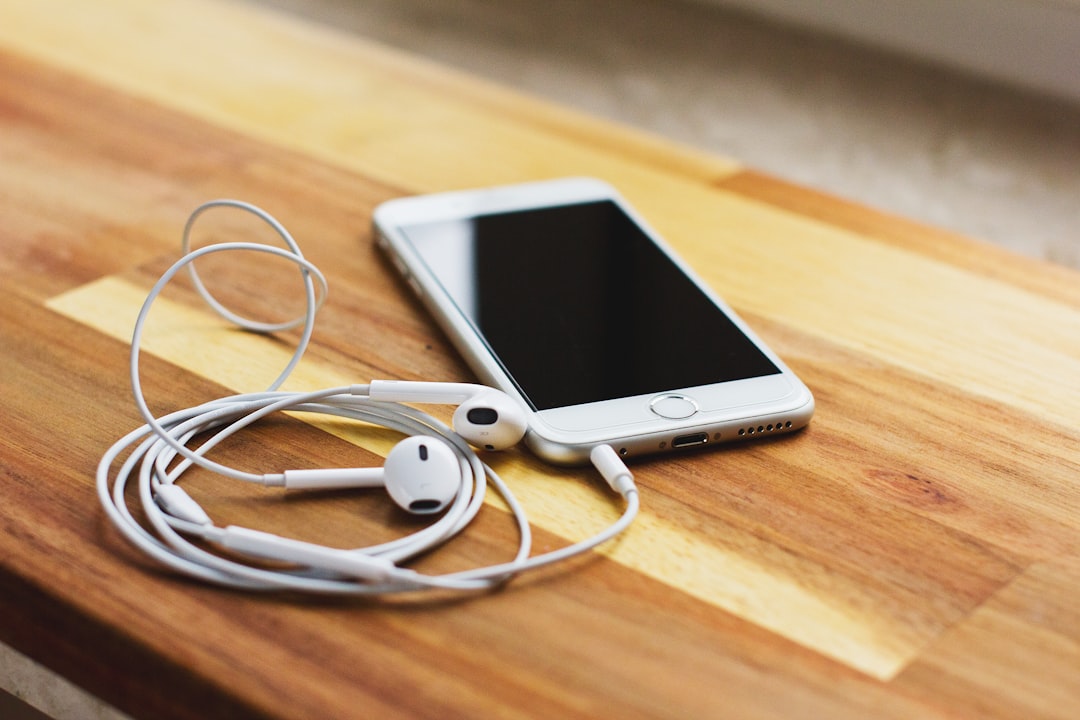
Your headphones serve a dual purpose when using FM radio on mobile devices. Beyond delivering audio, the headphone cable functions as the radio antenna, capturing broadcast signals. Wireless Bluetooth headphones won’t work for traditional FM reception, though they’ll function perfectly fine when streaming radio content over the internet.
Different Methods to Access Radio on Your Mobile Device
Smartphone users have multiple pathways to enjoy radio content, each with distinct advantages and limitations. Understanding these options helps you choose the best method for your specific needs and circumstances.
Built-in FM Radio Chips
Devices equipped with activated FM chips offer the most authentic radio experience. This method provides several compelling benefits:
- Zero data consumption: Traditional FM reception doesn’t use your mobile data plan
- Battery efficiency: Direct radio reception consumes less power than streaming
- Emergency access: Works during network outages when internet-based services fail
- Local content: Connects you to community stations and regional programming
- Real-time broadcasting: No streaming delays or buffering interruptions
Brands like Samsung, LG, and Motorola have traditionally supported FM radio functionality in many of their models. Checking your device specifications or testing with a compatible radio app will confirm whether your smartphone includes this capability.
Internet Streaming Radio Applications
Radio apps that rely on internet streaming have democratized access to stations worldwide. These applications don’t require built-in radio chips and work on virtually any smartphone with data connectivity. Popular platforms aggregate thousands of stations, offering unprecedented variety.
Streaming radio apps provide remarkable flexibility. You can listen to a jazz station from New York while sitting in Tokyo, or follow your hometown news when traveling abroad. The trade-off involves data consumption, which varies based on audio quality settings and listening duration.

Hybrid Radio Solutions
Some sophisticated applications combine both approaches, automatically switching between FM chip reception and internet streaming based on availability. These hybrid solutions optimize your listening experience by using traditional broadcasts when possible and seamlessly transitioning to streaming when FM signals weaken or aren’t available.
Popular Radio Apps for Android and iPhone
The application marketplace offers numerous radio solutions, each with unique features and interface designs. Selecting the right app depends on your listening preferences, device compatibility, and desired functionality.
TuneIn Radio: Global Coverage and Podcast Integration
TuneIn stands as one of the most comprehensive radio applications available. It aggregates over 100,000 live radio stations spanning every genre imaginable. Beyond traditional AM and FM stations, TuneIn includes sports broadcasts, news networks, and an extensive podcast library.
The app’s intuitive interface allows browsing by location, genre, or language. Premium subscriptions remove advertisements and unlock additional features like live sports without commercials. TuneIn works entirely through internet streaming, making it device-agnostic but dependent on data connectivity.
NextRadio: Activating Your FM Chip
NextRadio specifically targets smartphones with dormant FM chips, activating this hardware to enable traditional broadcast reception. The application combines live FM listening with interactive features, displaying song information, album artwork, and station metadata when available.
This app exemplifies the data-free radio experience while adding modern conveniences. Users can tag songs they discover, interact with stations through messaging, and seamlessly switch to streaming when FM signals become unavailable. NextRadio particularly shines during emergencies when cellular networks experience congestion but FM broadcasts continue uninterrupted.
Simple Radio: Clean Interface and Extensive Selection
Simple Radio lives up to its name with a straightforward, user-friendly design that doesn’t overwhelm users with excessive options. The app curates stations thoughtfully, highlighting quality broadcasts across numerous categories from classical music to comedy shows.
Favorite station management proves particularly effective in Simple Radio, allowing quick access to your preferred channels. The sleep timer function appeals to those who enjoy falling asleep to radio programming, automatically shutting down playback after a specified duration.
Maximizing Your Radio Listening Experience on Mobile
Getting the most from radio on your smartphone involves more than simply installing an app. Strategic approaches to settings, connectivity, and usage patterns enhance both audio quality and overall satisfaction. 🎧
Optimizing Audio Quality Settings
Internet-based radio streaming typically offers multiple quality options ranging from standard to high definition. Higher bitrates deliver superior sound but consume more data and require stronger connections. Standard quality (around 128 kbps) provides acceptable listening for most situations while conserving bandwidth.
When using traditional FM reception through your phone’s chip, audio quality depends on signal strength rather than settings. Positioning yourself near windows, moving to higher floors, or adjusting your headphone cable orientation can significantly improve reception clarity.
Managing Data Consumption
Streaming radio continuously for one hour typically consumes between 50-100 MB of data at standard quality settings. This consumption adds up quickly for regular listeners without unlimited data plans. Several strategies help minimize data usage:
- Lower streaming quality settings when listening casually
- Download favorite shows or podcasts over WiFi for offline listening
- Utilize FM chip reception whenever possible to avoid data consumption entirely
- Monitor your data usage through your phone’s settings
- Connect to WiFi networks when available for unlimited streaming
Battery Life Considerations
Radio listening impacts battery life differently depending on your reception method. Traditional FM chip usage drains batteries more slowly than internet streaming, which requires maintaining active data connections and processing streamed content. Reducing screen brightness, closing background applications, and using battery saver modes extend listening time on single charges.
Emergency Preparedness and Radio Access
One frequently overlooked advantage of smartphone FM radio involves emergency preparedness. During natural disasters, power outages, or network failures, traditional radio broadcasts often continue operating when internet-based communication fails. Having FM-enabled devices with appropriate apps provides critical access to emergency information, weather updates, and official instructions.
The Federal Emergency Management Agency (FEMA) and emergency response organizations recognize radio’s resilience during crises. Smartphones with activated FM chips essentially function as portable emergency radios, requiring only battery power to receive broadcasts. This capability has prompted advocacy efforts encouraging manufacturers to enable FM functionality across all devices.
Preparing your device for emergency radio use involves downloading compatible apps before disasters strike, ensuring your headphones remain accessible, and keeping backup power sources charged. Testing your FM reception periodically confirms functionality when you need it most.
The Future of Radio on Mobile Devices
Radio’s evolution continues as technology advances and listening habits shift. The integration of radio capabilities within smartphones represents just one chapter in broadcasting’s ongoing adaptation to digital lifestyles. Several trends are shaping radio’s mobile future:
5G Networks and Enhanced Streaming
Fifth-generation cellular networks promise dramatically faster data speeds and lower latency. These improvements will enable higher-quality audio streaming with minimal buffering, potentially approaching CD-quality sound for mobile radio listeners. The increased bandwidth capacity may also support more innovative interactive features within radio apps.
Artificial Intelligence and Personalization
AI-driven recommendation engines are increasingly influencing radio app experiences. These systems learn your preferences, suggesting stations and programs aligned with your tastes while introducing you to new content. Smart assistants like Siri, Google Assistant, and Alexa already enable voice-activated radio control, and this integration will deepen.
Hybrid Broadcasting Standards
Technologies like HD Radio in North America and DAB+ in Europe represent hybrid digital-analog broadcasting systems. As smartphone manufacturers potentially incorporate receivers for these standards, mobile radio quality could improve substantially while maintaining the resilience of traditional broadcasting.
Comparing Radio to Music Streaming Services
Understanding how traditional radio differs from on-demand streaming platforms helps clarify when each option serves you best. While Spotify, Apple Music, and similar services dominate music consumption discussions, radio offers distinct advantages that streaming can’t replicate.
| Feature | Radio (FM/AM) | Streaming Services |
|---|---|---|
| Cost | Free (no subscription required) | Free with ads or paid subscriptions |
| Data Usage | Zero (with FM chip) or minimal | Significant continuous consumption |
| Content Control | Curated by station programmers | User-controlled playlists |
| Discovery | Organic through live programming | Algorithm-based recommendations |
| Local Content | Strong community connection | Limited local focus |
| Reliability | Works during internet outages | Requires consistent connectivity |
Radio’s curated nature provides a passive listening experience where professional DJs and programmers select content. This approach appeals to those who enjoy discovering music without actively searching, and it recreates the communal experience of shared broadcasts that streaming’s personalization eliminates.
Regional Differences in Mobile Radio Availability
Smartphone radio functionality varies significantly across geographical regions due to regulatory environments, manufacturer priorities, and market demands. Understanding these differences helps set realistic expectations for your specific location.
North American consumers have witnessed gradual FM chip activation in Android devices, largely due to advocacy from the National Association of Broadcasters. However, iPhones sold in the United States generally lack enabled FM receivers, requiring users to rely exclusively on streaming apps for radio content.
European markets enjoy broader FM and DAB+ support across various device manufacturers. The European Union’s emphasis on emergency preparedness has encouraged radio chip inclusion and activation. Asian markets show mixed adoption, with some regions embracing mobile radio capabilities while others prioritize streaming infrastructure.
Checking Your Device’s Radio Capabilities
Determining whether your specific smartphone supports FM reception requires checking technical specifications or testing with appropriate applications. Manufacturer websites typically list FM radio among connectivity features when supported. Downloading an FM-focused app like NextRadio and attempting to scan for stations provides practical confirmation.
Online databases and community forums dedicated to mobile radio also catalog device compatibility. These resources help you understand your current phone’s limitations and inform future purchasing decisions if radio functionality matters to you.
Cultural and Social Impact of Mobile Radio Access
Beyond technical specifications and practical benefits, radio on smartphones carries cultural significance. For immigrant communities, accessing radio stations from their home countries maintains linguistic and cultural connections despite geographical distance. College students away from home stay connected to local sports broadcasts and community events through mobile radio apps. 🌍
Radio’s live, shared nature creates moments of collective experience that personalized streaming cannot replicate. When major news breaks or significant events unfold, tuning into radio broadcasts connects you to a broader audience experiencing the same programming simultaneously. This communal aspect strengthens social bonds and shared cultural experiences.
Local radio stations provide hyperlocal information about traffic conditions, weather updates, community events, and regional issues that national streaming services overlook. Mobile access to these stations extends their reach beyond traditional broadcast ranges, helping people maintain connections to specific communities even when physically distant.
Practical Tips for Daily Radio Listening on Smartphones
Integrating radio into your daily routine becomes seamless with a few practical strategies. Setting alarms through radio apps allows you to wake up to live programming rather than jarring tones. Many applications support this functionality, gradually increasing volume to ease you into consciousness.
Creating station presets for different contexts streamlines your listening experience. Designate morning news stations, workout music channels, evening jazz broadcasts, and late-night talk shows for quick access based on your current activity or mood. Most radio apps allow unlimited favorites and custom categorization.
Exploring genre-specific stations or thematic programming expands your horizons beyond familiar territory. Dedicated classical music stations, world music channels, comedy broadcasts, and educational programming offer alternatives to algorithm-driven recommendations. This exploration often surfaces content you’d never encounter through personalized streaming suggestions.
Addressing Common Challenges and Solutions
Users occasionally encounter obstacles when attempting to enjoy radio on their smartphones. Weak FM reception frustrates listeners in areas with poor signal coverage. Solutions include repositioning yourself near windows, switching to different headphone cables that may serve as better antennas, or transitioning to internet streaming when FM proves unreliable.
App crashes or playback interruptions typically result from insufficient memory, outdated software, or connectivity issues. Regularly updating your radio applications, clearing cached data, and ensuring stable internet connections resolve most technical problems. Restarting your device often clears temporary glitches affecting performance.
Geographic restrictions sometimes prevent access to certain stations through streaming apps due to licensing agreements. Virtual private networks (VPNs) can bypass these limitations, though users should understand the legal and ethical implications of circumventing regional restrictions.
Making Informed Choices About Mobile Radio
Your ideal approach to radio on smartphones depends on individual circumstances, preferences, and device capabilities. Those with unlimited data plans and devices lacking FM chips naturally gravitate toward streaming solutions that offer maximum station variety and global access.
Listeners concerned about data consumption or emergency preparedness should prioritize devices with activated FM chips and install compatible applications. This hardware-based approach provides resilience and cost-effectiveness that streaming cannot match.
Hybrid users who value both local FM broadcasts and global streaming variety benefit from apps supporting multiple reception methods. These flexible solutions adapt to changing circumstances, optimizing your experience based on signal availability and connectivity status.
The resurgence of interest in radio through mobile devices demonstrates that traditional media formats retain relevance when adapted thoughtfully to modern technology. Whether you’re rediscovering local stations from your youth, exploring international broadcasts, or simply seeking data-free entertainment options, radio on your smartphone offers surprisingly rich possibilities. The technology in your pocket connects you to broadcasting’s century-long legacy while pointing toward its evolving future. Experimenting with different apps, stations, and listening methods helps you discover the perfect balance between nostalgia and innovation in your personal audio landscape. 📱✨
