

Anúncios
Modern vehicles are smarter than ever, and now your smartphone can unlock a world of real-time engine data, diagnostics, and performance insights that were once only available to professional mechanics.


Gone are the days when car owners were left in the dark about what’s happening under the hood. With the advancement of OBD2 technology and mobile applications, anyone can transform their smartphone into a powerful diagnostic tool.
Anúncios
Whether you’re a car enthusiast wanting to optimize performance or simply someone who wants to understand why the check engine light turned on, mobile diagnostics put you in control.

This revolutionary approach to vehicle monitoring doesn’t just save money on unnecessary mechanic visits—it empowers drivers with knowledge and awareness about their vehicle’s health. From tracking fuel efficiency to identifying potential issues before they become expensive problems, real-time engine monitoring through your phone has become an essential tool for modern car ownership.
Anúncios
🚗 Understanding OBD2 Technology and How It Works
The foundation of mobile car diagnostics lies in the On-Board Diagnostics II (OBD2) system, a standardized protocol implemented in most vehicles manufactured after 1996. This system continuously monitors your engine’s performance, emissions, and dozens of other parameters through various sensors placed throughout the vehicle.
Every modern car comes equipped with an OBD2 port, typically located under the dashboard near the steering column. This 16-pin connector serves as the gateway to your vehicle’s computer system, providing access to real-time data and stored diagnostic trouble codes (DTCs).
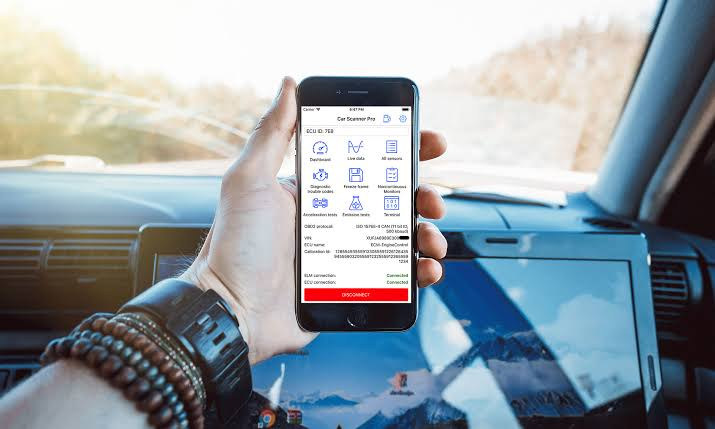
When you connect a compatible OBD2 scanner to this port and pair it with your smartphone via Bluetooth or Wi-Fi, you essentially create a direct communication channel between your phone and your car’s electronic control unit (ECU). This allows specialized apps to read, interpret, and display critical information in an easy-to-understand format.
The Data Your Car Continuously Tracks
Your vehicle’s computer system is constantly monitoring hundreds of parameters. Some of the most valuable data points accessible through mobile diagnostics include:
- Engine RPM and load percentage
- Coolant temperature and oil pressure
- Fuel system status and consumption rates
- Oxygen sensor readings and air-fuel ratios
- Throttle position and intake manifold pressure
- Ignition timing advance and spark performance
- Emission control system functionality
- Vehicle speed and acceleration data
📱 Transforming Your Smartphone Into a Diagnostic Tool
The process of turning your phone into a comprehensive vehicle monitor is surprisingly straightforward. You’ll need two main components: a quality OBD2 adapter and a reliable diagnostic application.
OBD2 adapters come in various forms, from basic Bluetooth dongles to advanced Wi-Fi enabled scanners with enhanced features. These small devices plug directly into your car’s OBD2 port and remain there permanently, drawing minimal power from your vehicle’s electrical system.
Once the hardware is connected, installing a diagnostic app completes the setup. These applications range from simple code readers to sophisticated platforms that offer customizable dashboards, performance tracking, trip logging, and even social features for sharing data with other enthusiasts.
Setting Up Your Mobile Diagnostic System
Getting started with real-time vehicle monitoring takes just a few minutes. First, locate your car’s OBD2 port—it’s usually found beneath the dashboard, though some manufacturers place it in less obvious locations. Once found, simply plug in your OBD2 adapter until it clicks into place.
Next, turn on your vehicle’s ignition (you don’t need to start the engine). The adapter should power up, indicated by an LED light. Open your phone’s Bluetooth or Wi-Fi settings and pair with the adapter following the manufacturer’s instructions.
Finally, launch your diagnostic app and allow it to establish a connection with your vehicle. The initial connection may take 30-60 seconds as the app identifies your car’s make, model, and supported protocols. Once connected, you’ll gain immediate access to live data streaming from your engine.
🔍 Reading and Understanding Diagnostic Trouble Codes
When your check engine light illuminates, it’s your car’s way of saying something needs attention. Behind that simple warning light lies a specific diagnostic trouble code that pinpoints the exact issue detected by your vehicle’s sensors.
These codes follow a standardized format beginning with a letter (P for powertrain, B for body, C for chassis, or U for network) followed by four digits. For example, P0420 indicates a catalytic converter efficiency issue, while P0171 suggests the engine is running too lean.
Mobile diagnostic apps don’t just display these cryptic codes—they translate them into plain language explanations, often accompanied by potential causes, severity ratings, and recommended actions. This empowers car owners to make informed decisions about repairs rather than blindly accepting a mechanic’s diagnosis.
The Difference Between Pending and Confirmed Codes
Not all diagnostic codes carry the same urgency. Your vehicle’s computer distinguishes between pending codes and confirmed codes, and understanding this difference can save you unnecessary stress and expense.
Pending codes represent temporary conditions that triggered a sensor once but haven’t repeated. These might result from poor fuel quality, momentary sensor glitches, or environmental factors. Your car monitors these conditions over multiple drive cycles before confirming them as legitimate problems.
Confirmed codes indicate issues that have occurred repeatedly, prompting your vehicle to illuminate the check engine light. These require attention, though their severity varies dramatically—from simple fixes like a loose gas cap to serious problems requiring immediate professional service.
⚡ Real-Time Performance Monitoring Benefits
Beyond diagnosing problems, real-time engine monitoring offers numerous advantages for optimizing your driving experience and vehicle longevity. By observing live data, you gain insights into how your driving habits affect performance, efficiency, and component wear.
Monitoring parameters like engine load, throttle position, and fuel trim values helps you develop smoother, more economical driving techniques. You’ll quickly notice how aggressive acceleration impacts fuel consumption or how maintaining steady speeds optimizes efficiency.
For performance enthusiasts, live data monitoring transforms casual drives into valuable testing sessions. Track 0-60 times, monitor intake temperatures, observe boost pressure in turbocharged engines, and analyze gear ratios to understand exactly how your modifications affect real-world performance.
Fuel Economy Tracking and Optimization
One of the most practical applications of mobile vehicle monitoring is tracking and improving fuel economy. By monitoring instantaneous and average fuel consumption, you can identify driving behaviors that waste gas and adjust accordingly.
Many diagnostic apps calculate actual fuel economy based on data from your vehicle’s computer rather than relying on the often-inaccurate trip computer displays. This provides precise information about consumption rates across different driving conditions, routes, and speeds.
Combined with GPS data, these apps can even identify specific locations or routes where your fuel efficiency suffers, allowing you to plan more economical journeys. Over time, the money saved on fuel often exceeds the modest investment in diagnostic hardware and software.
🛡️ Preventive Maintenance Made Easy
Perhaps the most valuable aspect of continuous vehicle monitoring is the ability to catch problems early, before they escalate into expensive repairs. Small issues often provide warning signs long before they become catastrophic failures.
For instance, gradually increasing coolant temperatures might indicate a developing thermostat issue or cooling system leak. Declining oxygen sensor response times can signal sensor degradation before it triggers a check engine light or damages your catalytic converter.
Many diagnostic apps include maintenance reminder features that track mileage and engine hours, alerting you when service intervals approach. Some even monitor specific parameters to suggest maintenance based on actual vehicle condition rather than arbitrary mileage schedules.
Monitoring Critical Systems Before Road Trips
Before embarking on long journeys, performing a comprehensive vehicle health check through your phone provides peace of mind. Within minutes, you can verify that all systems are operating within normal parameters and identify any concerns that might warrant attention.
Check coolant temperatures after a short drive, verify that oxygen sensors are responding properly, examine fuel trim values for signs of running rich or lean, and confirm that no pending codes exist. This simple pre-trip inspection can prevent breakdowns in inconvenient locations.
For travelers venturing into remote areas, having diagnostic capabilities on your phone proves invaluable if warning lights appear. Instead of panicking, you can immediately assess the situation’s severity and make informed decisions about whether to continue or seek assistance.
📊 Advanced Features That Enhance Your Experience
Modern diagnostic applications extend far beyond basic code reading and live data display. Sophisticated features transform these apps into comprehensive vehicle management platforms that enhance ownership experience in multiple ways.
Trip logging captures detailed information about every journey, including routes, speeds, fuel consumption, and driving behavior. This data proves valuable for business mileage tracking, analyzing driving patterns, or simply maintaining detailed vehicle history records.
Performance testing modes allow you to conduct acceleration runs, measure braking distances, and test quarter-mile times with GPS-based accuracy. These features appeal to enthusiasts who want objective performance data after modifications or upgrades.
Customizable Dashboards for Personalized Monitoring
The best diagnostic apps offer fully customizable dashboards where you select exactly which parameters to display and how they appear. Create multiple dashboard configurations for different purposes—one for daily commuting focused on fuel economy, another for spirited driving emphasizing performance metrics.
Choose from various visualization options including digital readouts, analog gauges, graphs, and even heads-up display modes that project information onto your windshield. This flexibility ensures you monitor the data most relevant to your specific interests and driving style.
Some applications support multiple vehicle profiles, perfect for households with several cars. Switch between profiles instantly, each maintaining separate histories, custom dashboards, and maintenance schedules tailored to that specific vehicle.
🔧 Choosing the Right Hardware and Software Combination
Success with mobile vehicle diagnostics depends heavily on selecting compatible, reliable hardware and software. While countless options flood the market, quality varies dramatically, and choosing poorly can result in frustration and limited functionality.
OBD2 adapters range from budget models under $20 to professional-grade scanners exceeding $100. While expensive doesn’t always mean better, extremely cheap adapters often use outdated chipsets, provide slow data refresh rates, and lack reliable connections.
Look for adapters utilizing quality chipsets like the ELM327 (genuine versions, not clones) or proprietary designs from reputable manufacturers. Consider connection type—Bluetooth offers convenience but Wi-Fi typically provides faster data transmission for advanced features.
Essential Software Features to Consider
When evaluating diagnostic applications, certain features separate exceptional tools from basic code readers. Comprehensive vehicle coverage ensures compatibility with your specific make and model, including access to manufacturer-specific codes beyond generic OBD2 standards.
Regular updates matter tremendously, as manufacturers continuously add new vehicles and diagnostic capabilities. Active development indicates the app will support your vehicle for years to come and adapt to evolving diagnostic standards.
User interface quality significantly impacts daily usability. Look for intuitive navigation, clear data presentation, and logical organization that allows quick access to frequently used features without frustrating menu diving.
🌟 Real-World Applications and Success Stories
The practical benefits of mobile vehicle diagnostics extend beyond theory into countless real-world situations where this technology has saved drivers time, money, and considerable stress.
Consider the driver whose check engine light illuminated during a road trip. Rather than frantically searching for the nearest mechanic, they checked their diagnostic app and discovered a loose gas cap code—a simple fix requiring no professional assistance. This five-minute check prevented an unnecessary service visit and ruined vacation day.
Or the car owner who noticed gradually increasing coolant temperatures through regular monitoring. Investigation revealed a developing leak before overheating caused engine damage. A small repair bill replaced what could have been catastrophic failure and thousands in repair costs.
Empowering Informed Repair Decisions
Perhaps the most significant advantage mobile diagnostics provide is protection against unnecessary repairs and inflated service quotes. Walking into a repair shop armed with specific diagnostic codes and data puts you on equal footing with service advisors.
When mechanics suggest expensive repairs, you can verify whether diagnostic codes actually justify the recommended service. This transparency prevents unscrupulous shops from exploiting uninformed customers with repair work that may not address actual problems.
Many car owners report substantial savings by using mobile diagnostics to distinguish between urgent repairs and issues that can wait. This knowledge allows strategic planning of maintenance budgets rather than responding to every service recommendation with immediate action.
🚀 The Future of Mobile Vehicle Diagnostics
As vehicles become increasingly sophisticated and connected, mobile diagnostic capabilities continue expanding. Modern systems already offer features that seemed impossible just years ago, and emerging technologies promise even greater integration between smartphones and vehicles.
Cloud-based diagnostic platforms now store your vehicle’s complete history, track performance trends over time, and even predict potential failures based on data patterns. Machine learning algorithms analyze millions of data points to identify subtle indicators that precede component failures.
Integration with smart home systems, voice assistants, and wearable devices creates seamless experiences where your car’s status updates you proactively rather than requiring manual checks. Imagine receiving notifications about developing issues before warning lights illuminate or scheduling service appointments automatically when maintenance comes due.
Electric Vehicle Monitoring and Beyond
While OBD2 technology serves internal combustion engines brilliantly, electric vehicles present new monitoring challenges and opportunities. Advanced diagnostic apps now support EV-specific parameters including battery health, cell voltages, regenerative braking efficiency, and charging system performance.
These capabilities prove especially valuable for EV owners concerned about battery longevity and optimal charging practices. Real-time monitoring reveals exactly how driving style and charging habits affect battery degradation over time.
As autonomous driving features proliferate, diagnostic apps will expand to monitor these systems, providing transparency into how sensors, cameras, and computer systems maintain vehicle safety and performance.
💡 Getting Started With Confidence
If you’ve never explored mobile vehicle diagnostics, starting may seem intimidating, but the process is remarkably straightforward. Begin with basic features like reading diagnostic codes and viewing live data before progressing to advanced capabilities.
Invest in a quality OBD2 adapter from a reputable source—this hardware forms the foundation of your diagnostic system. Pair it with a well-reviewed app that supports your vehicle and offers the features most relevant to your needs.
Spend time familiarizing yourself with your vehicle’s normal operating parameters. Understanding what values look like during healthy operation makes it much easier to spot developing problems when readings deviate from established baselines.
Join online communities focused on your vehicle make or diagnostic tools in general. These forums provide invaluable support, tips for maximizing your diagnostic setup, and collective wisdom from thousands of enthusiasts sharing experiences.
🎯 Maximizing the Value of Your Diagnostic Investment
To truly benefit from mobile vehicle diagnostics, commit to regular monitoring rather than only connecting when warning lights appear. Weekly checks take just minutes but provide ongoing insights into your vehicle’s health and performance trends.
Create a routine that works for your schedule—perhaps checking live data during your morning commute or conducting more thorough inspections monthly. Consistency transforms diagnostic tools from reactive problem-solvers into proactive maintenance partners.
Document interesting findings, unusual readings, or resolved issues. This personal vehicle history proves invaluable when diagnosing recurring problems, verifying repair work, or demonstrating maintenance diligence to potential buyers when selling your vehicle.
The technology that once resided exclusively in professional repair shops now fits in your pocket, ready to provide insights whenever needed. By embracing mobile vehicle diagnostics, you join a growing community of empowered car owners who refuse to remain in the dark about their vehicle’s health. This knowledge doesn’t just save money—it transforms your relationship with your car from mysterious appliance to understood partner in every journey you take together.
