
Anúncios
Mastering traffic rules requires more than memorization—it demands active practice, consistent review, and hands-on engagement with interactive learning tools that reinforce your understanding.


Whether you’re preparing for your first driving test or refreshing your knowledge after years behind the wheel, interactive exercises offer a proven pathway to building confidence and competence.
Anúncios
Traditional study methods often fall short because they rely on passive reading rather than active recall and application.

Digital learning platforms and driving simulation apps have revolutionized how we prepare for road tests and maintain our traffic knowledge. These tools transform abstract regulations into practical scenarios you’ll actually encounter on real roads, making retention significantly stronger.
Anúncios
🎯 Why Interactive Practice Outperforms Traditional Studying
Research in cognitive psychology consistently shows that active retrieval practice produces better long-term retention than passive review. When you answer questions about traffic scenarios, your brain creates stronger neural pathways compared to simply re-reading the driver’s manual.
Interactive exercises engage multiple learning modalities simultaneously. You process visual information from road signs, apply logical reasoning to right-of-way scenarios, and make split-second decisions similar to real driving situations. This multi-sensory approach mirrors actual driving conditions.
Traditional methods often create what educators call “recognition illusion”—you think you know the material because it looks familiar when reading. Interactive questions expose gaps in your knowledge immediately, showing you exactly which concepts need more attention.
The Science Behind Spaced Repetition
Modern learning apps incorporate spaced repetition algorithms that present challenging concepts at scientifically optimized intervals. You’ll see difficult questions more frequently until you master them, while easier material appears less often.
This approach prevents wasted time reviewing what you already know perfectly while ensuring weak areas receive targeted practice. Studies show this method can reduce study time by 30-40% while improving retention scores.
📚 Essential Traffic Rules Categories to Master
Comprehensive driving knowledge spans several distinct categories, each requiring focused attention and practice. Breaking your study sessions into these specific areas creates a structured learning path.
Road Signs and Markings
Road signs communicate critical information through standardized symbols and colors. Regulatory signs (usually red and white) tell you what you must or must not do—stop signs, yield signs, speed limits, and turn restrictions.
Warning signs (typically yellow with black symbols) alert you to upcoming hazards like curves, intersections, pedestrian crossings, or school zones. Recognizing these shapes and colors at a glance becomes automatic with sufficient practice.
Pavement markings create virtual boundaries and communication channels. Solid yellow lines prohibit passing, while broken white lines separate lanes traveling the same direction. Double solid lines mean no passing in either direction.
Right-of-Way Principles
Right-of-way confusion causes countless accidents annually. Four-way stop intersections follow a clear protocol: first to arrive goes first, or if simultaneous, the vehicle on the right proceeds. Uncontrolled intersections require extra caution and yielding to vehicles already in the intersection.
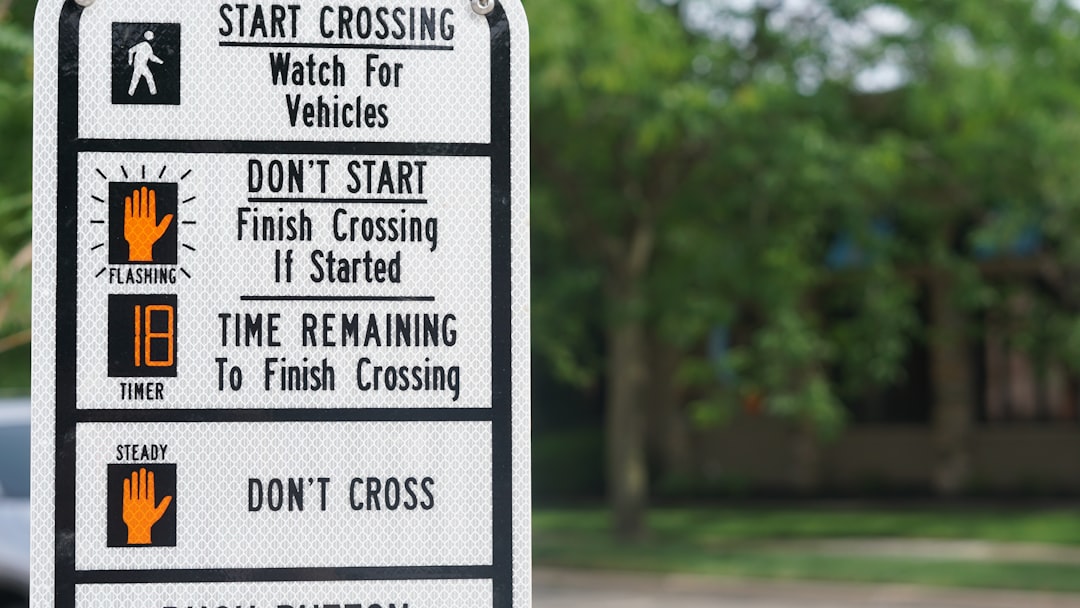
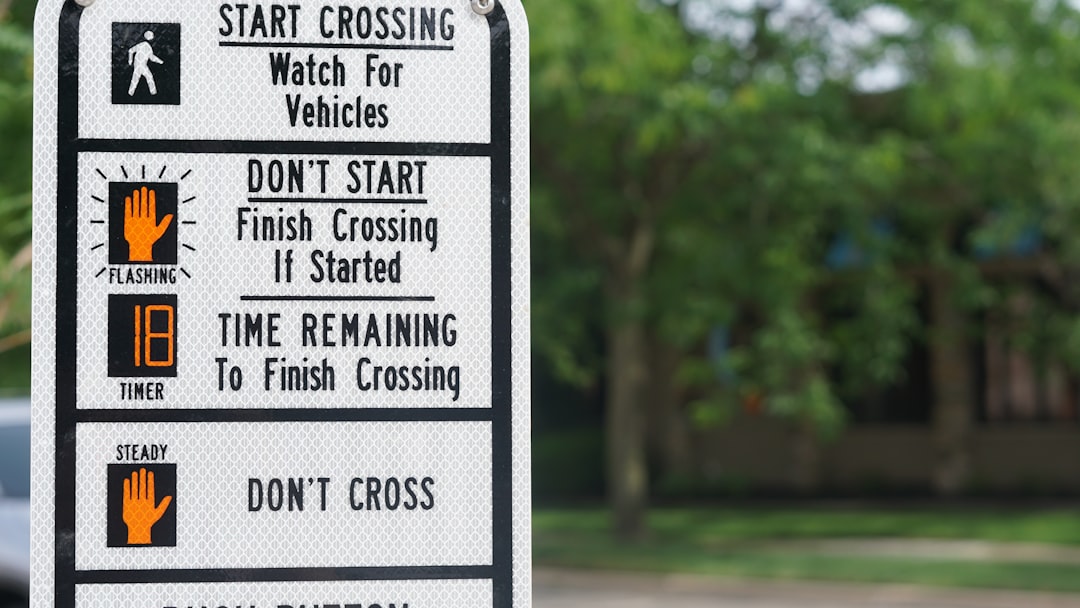
Pedestrians always have right-of-way in marked crosswalks. Emergency vehicles with active sirens and lights require you to pull over and stop. Left-turning vehicles must yield to oncoming traffic unless they have a protected green arrow.
Speed Regulations and Adjustments
Posted speed limits represent maximum safe speeds under ideal conditions. Safe driving requires adjusting speed for rain, fog, ice, heavy traffic, construction zones, and residential areas with children present.
School zones typically reduce limits to 15-25 mph during specific hours. Highway minimum speeds (usually 40-45 mph) exist to maintain traffic flow. Understanding when and how to adjust speed demonstrates mature driving judgment.
🚗 Building Skills Through Driving Simulators
Advanced driving simulators create realistic 3D environments where you navigate traffic, obey signals, and respond to unexpected situations without real-world consequences. These platforms track your performance metrics and identify specific weaknesses.
Quality simulators incorporate physics engines that replicate vehicle handling, braking distances, and acceleration curves. You learn how different weather conditions affect stopping distances and how to maintain safe following distances at various speeds.
Parking scenarios present particular challenges for new drivers. Simulators let you practice parallel parking, perpendicular parking, and angle parking hundreds of times until the spatial awareness becomes instinctive. Repetition in a risk-free environment builds genuine competence.
Scenario-Based Learning Advantages
Interactive scenarios present decision points where you must choose the correct action. A child’s ball rolls into the street—do you brake hard, swerve, or continue? A traffic light turns yellow as you approach—do you accelerate or brake?
These branching scenarios teach defensive driving principles by forcing you to anticipate hazards and consider multiple response options. Each choice receives immediate feedback explaining why it was correct or how it could endanger you or others.
Nighttime driving scenarios help you understand reduced visibility challenges, proper headlight usage (high beams vs. low beams), and how to avoid glare from oncoming vehicles. Rain and fog scenarios teach hydroplaning risks and safe following distances.
✅ Creating Your Personalized Study Plan
Effective preparation requires structured practice rather than random question attempts. A well-designed study plan addresses your specific weaknesses while maintaining overall knowledge.
Initial Assessment and Goal Setting
Begin with a comprehensive practice test covering all topics. Your results reveal exactly which categories need focused attention—perhaps you excel at sign recognition but struggle with right-of-way scenarios.
Set specific, measurable goals like “achieve 90% accuracy on right-of-way questions within two weeks” rather than vague objectives like “study more.” Specific targets create accountability and clear progress markers.
Daily Practice Schedules
Consistency trumps marathon sessions. Twenty minutes of focused practice daily produces better results than three-hour weekend cramming sessions. Your brain consolidates learning during sleep, making daily exposure crucial.
Alternate between question categories each day to maintain variety and prevent burnout. Monday might focus on signs, Tuesday on right-of-way, Wednesday on speed regulations, creating a natural rotation.
| Study Phase | Duration | Focus | Goal |
|---|---|---|---|
| Week 1-2 | 15-20 min/day | All categories baseline | Identify weak areas |
| Week 3-4 | 25-30 min/day | Targeted weak categories | 75% accuracy minimum |
| Week 5-6 | 20-25 min/day | Mixed practice + simulation | 90% accuracy overall |
| Week 7+ | 15 min/day | Maintenance review | Retain mastery |
🧠 Memory Techniques for Traffic Rules
Strategic memory techniques transform random facts into organized, retrievable knowledge systems. These methods leverage how human memory actually works rather than fighting against it.
Visual Association Strategies
Create mental images connecting road signs to their meanings. Picture a giant red octagon physically stopping cars in their tracks for stop signs. Visualize a yellow triangle with an exclamation mark as a person shouting a warning about danger ahead.
Color coding enhances recall—red always means prohibition or stopping, yellow signals caution or warning, green indicates permission to proceed, and blue provides informational guidance. These color associations become automatic with practice.
Acronyms and Mnemonics
The acronym SMOG helps remember pre-driving checks: Signal, Mirrors, Over-the-shoulder, Go. For proper following distance, remember “3 seconds minimum in good weather, 6+ in rain or fog.”
Create personal mnemonics for challenging concepts. Right-of-way at four-way stops: “First In, First Out—unless Right is Right.” These memorable phrases stick far better than dry regulatory language.
📱 Maximizing Mobile Learning Apps
Smartphone apps transform idle moments into productive study sessions. Waiting rooms, commutes (as a passenger), and lunch breaks become opportunities to answer 10-15 practice questions.
Quality apps offer several key features: offline access so you can study anywhere, progress tracking across devices, customizable question sets focusing on weak areas, and detailed explanations for both correct and incorrect answers.
Look for apps with official DMV/state endorsements or those created by licensed driving schools. These typically contain accurate, up-to-date information reflecting current traffic laws rather than outdated or incorrect content.
Gamification Elements That Enhance Learning
Point systems, achievement badges, and leaderboards tap into natural competitive instincts, making study sessions genuinely engaging. Earning a “Sign Master” badge after correctly identifying 50 consecutive signs provides tangible motivation.
Streak tracking encourages daily consistency. A 30-day practice streak represents real commitment and typically correlates with significant knowledge gains. The desire to maintain your streak becomes self-reinforcing motivation.
🛣️ Common Knowledge Gaps and How to Address Them
Most learners struggle with similar concepts. Recognizing these common pitfalls helps you allocate extra practice time to historically challenging areas.
Complex Intersection Scenarios
Multi-lane intersections with dedicated turn lanes, multiple traffic signals, and pedestrian crossings create confusion. Interactive exercises should present various intersection types repeatedly until navigation becomes instinctive.
Roundabouts (traffic circles) confuse many drivers. Key principles: yield to traffic already in the circle, signal your exit, stay in your lane, and never stop inside the roundabout unless traffic requires it.
Parking Regulations and Restrictions
Colored curbs communicate parking rules: red means no stopping/parking, yellow permits commercial loading only during specific hours, white allows passenger loading/unloading, green limits parking to short durations (15-30 minutes), and blue designates disabled parking.
Distance restrictions matter: no parking within 15 feet of a fire hydrant, 20 feet of a crosswalk at an intersection, 30 feet of a stop sign or traffic signal, or 50 feet of a railroad crossing. Practice questions should drill these specific measurements.
Blood Alcohol and Impairment Laws
Legal blood alcohol concentration (BAC) limits vary by license type: 0.08% for standard drivers over 21, 0.04% for commercial drivers, and 0.00-0.02% for drivers under 21. Many jurisdictions enforce zero-tolerance for underage drivers.
Medication and marijuana impairment carry identical legal consequences as alcohol impairment, even in states where recreational marijuana is legal. Interactive scenarios should emphasize that impairment—not just alcohol specifically—determines illegal driving.
🎓 Advanced Defensive Driving Concepts
Beyond basic traffic rules, defensive driving techniques prevent accidents by anticipating hazards and maintaining escape routes. These principles separate minimally competent drivers from genuinely safe ones.
The Smith System Principles
Professional drivers use the Smith System’s five keys: aim high in steering (look 12-15 seconds ahead), get the big picture (use peripheral vision), keep your eyes moving (scan constantly), leave yourself an out (maintain escape routes), and make sure they see you (communicate intentions clearly).
Interactive exercises can test these concepts by presenting scenarios and asking which Smith principle applies. A car drifts toward your lane—did you leave yourself an out? An intersection appears busy—are you getting the big picture before proceeding?
Space Cushion Management
Maintaining proper space in all directions (front, rear, sides) provides reaction time and maneuvering room. The 3-second following distance (pick a fixed object and count “one-thousand-one” after the vehicle ahead passes it) ensures adequate stopping distance.
Double this to 6 seconds in rain, triple it in snow or ice. Side spacing requires leaving extra room beside large trucks (they have blind spots), motorcycles (they might swerve to avoid hazards), and bicycles (wobbling is common).
🏆 Test-Taking Strategies for Maximum Success
Even with solid knowledge, strategic test-taking skills improve your scores. These techniques help you navigate tricky questions and avoid common errors.
Process of Elimination Techniques
Multiple-choice questions often contain obviously incorrect answers. Immediately eliminate these, improving your odds from 25% (1 in 4) to 33% (1 in 3) or 50% (1 in 2) for educated guesses.
Watch for absolute language like “always” or “never”—traffic rules rarely deal in absolutes. Answers with qualifiers like “usually,” “generally,” or “in most cases” are often correct because driving requires situational judgment.
Reading Comprehension for Scenario Questions
Scenario questions contain crucial details that determine the correct answer. Read completely before selecting an answer—the question might say “which action is ILLEGAL” rather than “which action is CORRECT,” testing careful reading as much as traffic knowledge.
Underline or mentally note key words: weather conditions (rain, fog), time of day (night), location specifics (school zone, construction area), and vehicle types (emergency vehicle, school bus). These details change which rule applies.
🔄 Maintaining Knowledge After Passing Your Test
Passing your driving test represents a beginning, not an endpoint. Traffic laws evolve, and skills deteriorate without practice. Periodic review maintains and even improves your capabilities.
Schedule quarterly refresher sessions where you complete 20-30 practice questions across all categories. This catches knowledge decay early and reinforces proper habits. Many drivers develop bad habits over time—regular review counteracts this drift.
When traffic laws change (new cell phone restrictions, updated right-of-way rules, revised parking regulations), reputable learning apps update their question banks accordingly. Staying current with these changes keeps you legally compliant and safe.
Teaching Others to Reinforce Your Own Knowledge
Explaining traffic rules to new learners solidifies your own understanding. Teaching forces you to organize information clearly and address questions you might not have considered. Volunteer to help friends or family members study for their tests.
This approach leverages the protégé effect—students who teach material to others achieve better mastery than students who only study for themselves. Creating practice questions for others requires deep understanding of underlying principles.
🌟 Transforming Knowledge into Real-World Competence
The ultimate goal extends beyond test success to genuine road safety. Interactive practice builds the foundation, but translating that knowledge into instinctive, appropriate responses requires intentional real-world application.
During actual driving, consciously verbalize the rules you’re following: “Approaching a yellow light, I’m too close to stop safely, so I’ll proceed through.” This self-narration strengthens the connection between knowledge and action.
Analyze your close calls and mistakes honestly. Nearly running a stop sign because you weren’t paying attention signals the need for more focused scanning practice. Misjudging a parking space indicates spatial awareness deserves simulator work.
Safe driving represents a lifelong learning journey rather than a destination reached at age 16 or 18. The most skilled drivers maintain intellectual curiosity about traffic safety, continuously refining their knowledge and techniques through deliberate practice and honest self-assessment.
By combining interactive question practice, driving simulation exercises, strategic memory techniques, and consistent review schedules, you create a comprehensive learning system that transforms abstract traffic regulations into practical, life-saving skills. The investment in thorough preparation pays dividends every single time you operate a vehicle, protecting yourself, your passengers, and everyone sharing the road.
