
Anúncios
The tape measure, commonly known as a trena, is one of the most essential tools in construction, carpentry, design, and everyday home projects.


Whether you’re a professional tradesperson or a DIY enthusiast, understanding the capabilities and variations of measuring tools can dramatically improve accuracy and efficiency. From traditional retractable models to modern digital and laser versions, the evolution of the tape measure reflects our ongoing quest for precision in every project.
Anúncios
In this comprehensive guide, we’ll explore everything you need to know about tape measures: their history, types, proper usage techniques, maintenance tips, and how to choose the perfect one for your specific needs. Let’s dive into the world of precise measurements and discover why this simple tool remains indispensable in our modern age. 📏
The Evolution of Measuring Tools Through History
The tape measure has a fascinating history that dates back thousands of years. Ancient civilizations used various methods to measure distances, from body parts like cubits and spans to ropes marked with knots. The modern flexible tape measure emerged during the Industrial Revolution when standardized measurements became crucial for manufacturing and construction.
Anúncios
In 1829, James Chesterman invented the first steel tape measure in Sheffield, England. This innovation revolutionized the construction industry by providing a portable, accurate, and durable measuring tool. Before this, craftsmen relied on rigid wooden rulers or cloth tapes that stretched over time, compromising precision.
The self-retracting mechanism we know today was patented in the 1860s, making tape measures even more convenient. This spring-loaded feature allowed users to extend and retract the blade with minimal effort, transforming how measurements were taken on job sites worldwide.
Understanding Different Types of Tape Measures 🔧
Modern tape measures come in various designs, each suited for specific applications. Choosing the right type can significantly impact your work efficiency and measurement accuracy.
Traditional Retractable Tape Measures
These are the most common type found in toolboxes everywhere. Featuring a flexible steel or fiberglass blade housed in a compact case, they typically range from 3 to 35 feet in length. The blade’s curved design, known as standout, allows it to remain rigid when extended, making solo measurements easier.
The hook at the end is designed to move slightly—this isn’t a defect. This floating rivet compensates for the hook’s thickness, ensuring accurate measurements whether you’re pushing against a surface or hooking over an edge.
Long Tape Measures and Surveyor’s Tools
For larger projects like land surveys or road construction, long tape measures extending 100 feet or more are essential. These often come in open-reel designs with fiberglass or steel blades. Some professional models feature wheels for easier measurement of extended distances.
Surveyor tapes prioritize precision and durability, often constructed with reinforced materials that resist stretching and environmental damage. They’re calibrated to maintain accuracy across temperature variations, a critical feature for outdoor professional work.
Digital and Laser Measuring Devices
Technology has transformed traditional measuring methods. Digital tape measures display measurements on LCD screens, some even calculating area and volume automatically. These tools eliminate reading errors and speed up documentation processes.
Laser distance meters represent the cutting edge of measurement technology. By emitting a laser beam and calculating the time it takes to reflect back, these devices measure distances up to several hundred feet with millimeter accuracy. They’re particularly valuable in large spaces where traditional tapes become cumbersome.

Key Features to Consider When Buying a Tape Measure
Not all tape measures are created equal. Understanding the features that distinguish quality tools from mediocre ones helps you make informed purchasing decisions that match your specific needs.
Blade Width and Standout
Blade width directly affects standout—the distance a tape can extend horizontally before collapsing under its own weight. Wider blades (typically 1 inch or more) offer greater standout, essential for taking measurements without assistance. A quality 25-foot tape with a wide blade might achieve a 10-foot standout, while narrower models collapse much sooner.
Professional contractors often prefer wider blades because they reduce the need for a second person to hold the far end during measurements. This feature becomes increasingly important as tape length increases.
Blade Coating and Durability
The blade coating protects against rust, improves visibility, and extends the tool’s lifespan. Common coatings include:
- Nylon coating: Provides excellent protection against moisture and abrasion while making the blade easier to clean
- Mylar coating: Offers similar protection with enhanced print durability, ensuring markings remain legible longer
- Chrome plating: Delivers superior corrosion resistance and a professional appearance
High-quality blades use heat-treated steel that resists kinking and breaking. Some premium models feature double-sided printing, allowing measurements to be read from multiple angles.
Case Construction and Grip Design
The housing protects internal mechanisms and determines how comfortable the tape feels during extended use. Rubberized cases provide superior grip, especially important when working with wet or gloved hands. Impact-resistant cases with reinforced corners survive drops from significant heights, a common occurrence on construction sites.
Belt clips should be sturdy and positioned for easy access. Some advanced models feature magnetic cases that attach to metal surfaces, keeping the tool handy without occupying your hands or pockets.
Mastering Proper Measurement Techniques ✅
Owning a quality tape measure means little without proper technique. Accurate measurements require attention to detail and understanding of common pitfalls that lead to errors.
The Correct Way to Hook and Extend
Always ensure the hook catches securely on the material’s edge. When measuring inside dimensions (like between walls), press the case firmly against one surface and read where the blade emerges. Many cases have their length marked on the side—add this measurement to your reading for total inside dimensions.
For outside measurements, hook over the edge and allow the blade to lie flat against the surface. Avoid angling the tape, which introduces parallax errors. Keep the blade taut but not overly stretched, as excessive force can slightly extend the blade, compromising accuracy.
Reading Fractional Measurements Accurately
Standard tape measures in the US use imperial units divided into sixteenths of an inch. Understanding how to read these markings quickly comes with practice. The longest marks represent inches, followed by half-inch, quarter-inch, eighth-inch, and sixteenth-inch increments.
Many professional-grade tapes highlight every 16 inches—the standard spacing between wall studs in residential construction. Some also mark every 19.2 inches for engineered floor joists. These features speed up framing work considerably.
Avoiding Common Measurement Mistakes
One frequent error involves forgetting to account for the hook when taking inside measurements. Another is measuring from the 1-inch mark instead of the end, often done when hooks are damaged. If you must start at the 1-inch mark, remember to subtract one inch from your reading.
Parallax error occurs when viewing the measurement at an angle rather than directly perpendicular. This seemingly minor mistake can compound across multiple measurements, leading to significant cumulative errors in large projects.
Specialized Applications Across Industries 🏗️
Different professions have unique measurement requirements that demand specialized tape measure features or alternative tools altogether.
Construction and Carpentry
Framers need tapes that mark stud spacing clearly and withstand harsh job site conditions. Heavy-duty cases, reinforced blades, and wide standout are non-negotiable features. Many professional carpenters carry multiple tapes—a compact 12-footer for detail work and a 25-35 foot model for general framing.
Finish carpenters often prefer tapes with finer graduations and fractional markings printed clearly in red for visibility. Precision matters more than durability in this trade, where measurements to the thirty-second of an inch are common.
Interior Design and Space Planning
Designers benefit from laser measures and digital tools that quickly calculate room dimensions, floor areas, and wall heights. These devices often connect to smartphones, allowing measurements to be documented with photos and shared with clients or contractors instantly.
Traditional tapes remain useful for furniture measurements and detailed trim work, but digital tools have revolutionized space documentation and visualization processes.
Tailoring and Fabric Work
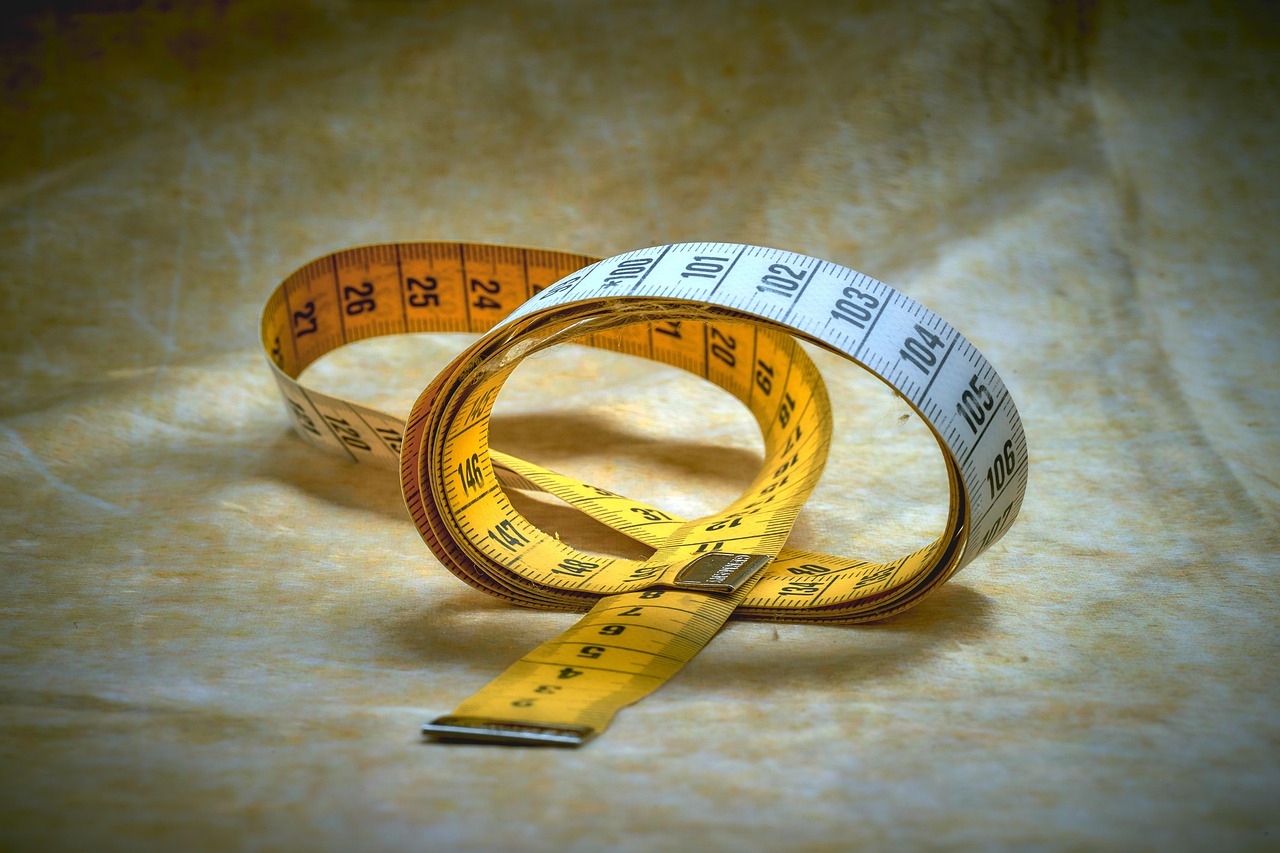
Soft measuring tapes made from flexible cloth or fiberglass serve the fashion and upholstery industries. These conform to curved surfaces, essential when measuring body dimensions or fabric requirements. They typically use metric and imperial markings on opposite sides.
Unlike construction tapes, these must remain completely flat and flexible, with no rigid components that could damage delicate materials or provide inaccurate measurements on curved surfaces.
Maintenance Tips for Longevity 🔨
Proper care extends your tape measure’s lifespan significantly and maintains its accuracy over years of use.
Cleaning and Storage
Regularly wipe the blade clean with a soft cloth to remove sawdust, dirt, and moisture. For stubborn residue, use a mild solvent, then dry thoroughly. Dirty blades retract sluggishly and can damage internal mechanisms.
Store tape measures in dry environments when possible. Excessive moisture promotes rust, even on coated blades. If your tape gets wet on a job site, extend it fully and allow it to air dry before retracting.
Addressing Common Issues
If the blade stops retracting smoothly, the internal spring may need adjustment or replacement. Many quality tapes allow disassembly for cleaning and repair. Remove the case screws carefully, noting the spring’s orientation before removing it.
Bent or kinked blades often can’t be fully repaired. Prevention is key—avoid stepping on extended tapes or allowing them to retract forcefully against hard surfaces. When the blade does bend, gentle pressure with pliers might restore partial functionality, but replacement is usually the best solution.
Hook Maintenance and Calibration
The end hook should move freely but not loosely. If it becomes too loose, tighten the rivet slightly with pliers. Test accuracy by measuring a known dimension. If measurements seem consistently off, check if the hook has been damaged or bent.
Some professionals prefer to remove the hook entirely for specific applications, measuring from the 1-inch mark and subtracting accordingly. While unconventional, this method ensures consistency when working with a damaged tape.
Digital Alternatives and Modern Solutions 📱
Smartphone apps now offer measurement capabilities using augmented reality and camera sensors. While not replacing professional tools for critical work, these apps provide surprisingly accurate results for quick estimations and documentation.
Apps like CamToPlan and similar measurement tools use your phone’s camera to calculate distances and areas. They’re particularly useful when you don’t have physical tools available or need to document measurements with photos simultaneously. The technology continues improving, with some apps now achieving accuracy within one percent for many applications.
Professional laser measures often include Bluetooth connectivity, allowing measurements to be transferred directly to design software or project management apps. This integration streamlines workflows and reduces transcription errors that occur when manually recording measurements.
Choosing the Right Tape Measure for Your Needs
With countless options available, selecting the ideal tape measure depends on understanding your primary uses and working conditions.
For Home DIY Projects
A 25-foot tape with a 1-inch blade serves most household needs admirably. Look for comfortable grip, clear markings, and a belt clip. You don’t need the most rugged construction-grade model, but avoid the cheapest options that sacrifice accuracy and durability.
Consider a model with both imperial and metric markings if you work with international plans or mixed measurement systems. This versatility prevents constant conversions and potential errors.
For Professional Trade Work
Invest in professional-grade tools with features specific to your trade. Electricians benefit from non-conductive cases, plumbers need corrosion-resistant coatings, and framers require maximum standout and stud markings.
Don’t hesitate to spend more on quality—a reliable tape measure pays for itself through accuracy, durability, and time saved. Many professionals carry specialty tapes alongside their primary measuring tool for specific situations.
Safety Considerations When Using Tape Measures ⚠️
Though seemingly harmless, tape measures can cause injuries when used carelessly. The blade’s sharp edges can cut skin, especially during rapid retraction. Always control the retraction speed rather than allowing it to snap back freely.
When working at heights, secure your tape measure to prevent drops that could injure people below or damage the tool. Dropped tapes often land hook-first, bending or breaking this critical component.
Be mindful of the blade near your face and eyes. The spring mechanism stores considerable energy, and a blade breaking free unexpectedly can cause serious facial injuries. Replace worn tapes before they reach the breaking point.
The Future of Measurement Technology 🚀
Measurement technology continues evolving rapidly. Three-dimensional laser scanners can now document entire rooms or buildings in minutes, creating detailed digital models with millimeter precision. While expensive, these tools are becoming more accessible for professional applications.
Augmented reality integration promises to overlay measurements directly onto camera views, helping visualize how furniture or fixtures will fit in spaces before purchase. This technology could revolutionize retail, construction planning, and interior design.
Despite these advances, traditional tape measures remain relevant due to their simplicity, reliability, and zero learning curve. The tactile feedback and immediate visual confirmation they provide can’t be fully replicated by digital alternatives, ensuring their place in toolboxes for years to come.
Understanding Measurement Standards and Accuracy
Professional work requires understanding accuracy standards and how environmental factors affect measurements. Temperature changes cause materials to expand or contract—metal tapes extend in heat and contract in cold, potentially affecting precision in extreme conditions.
NIST (National Institute of Standards and Technology) provides calibration standards for measuring tools. Professional-grade instruments often come with calibration certificates verifying their accuracy within specified tolerances. For most construction work, accuracy within 1/16 inch over 25 feet suffices, but precision machining demands much tighter tolerances.
Regular verification against known standards ensures your tools remain accurate. Many professionals keep a certified reference ruler specifically for checking their working tapes periodically.
Making Every Measurement Count
The humble tape measure represents centuries of refinement in pursuit of precision and convenience. Whether you choose a traditional steel tape, a digital device, or a smartphone app, understanding proper technique and tool capabilities ensures accurate results that form the foundation of quality work.
Investing in quality measurement tools and maintaining them properly pays dividends through improved accuracy, reduced waste, and professional results. As technology advances, new options emerge, but the fundamental principles of careful measurement remain constant across all tools and trades.
Take time to choose the right tool for your specific needs, learn proper techniques, and maintain your equipment carefully. These simple steps transform measuring from a mundane task into a foundation for precision craftsmanship and successful projects of any scale. 🎯
