
Anúncios
The tape measure, or trena, is one of the most essential tools in construction, carpentry, interior design, and everyday home projects, offering precision and convenience in a compact format.


Whether you’re a professional contractor or a DIY enthusiast, understanding how to choose and use a tape measure correctly can dramatically improve the accuracy and efficiency of your work. This versatile measuring instrument has evolved significantly over the decades, incorporating innovative features that make measurements faster and more reliable.
Anúncios
From traditional metal retractable models to modern laser and digital versions, tape measures continue to be indispensable across numerous industries and applications. Let’s explore everything you need to know about this fundamental tool, including types, features, maintenance tips, and how to maximize its potential in your projects. 📏
Understanding the Basic Anatomy of a Tape Measure
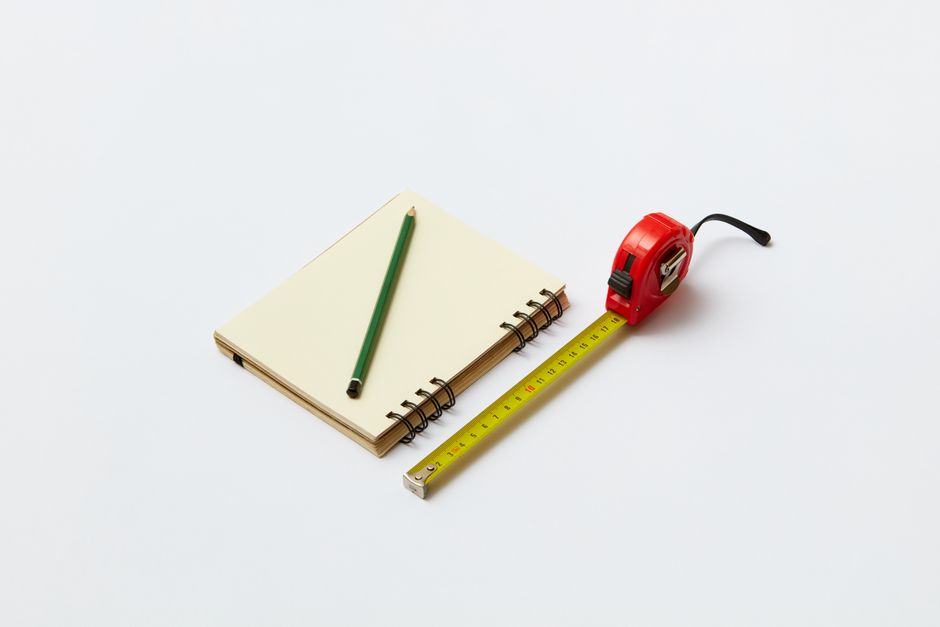
Every tape measure consists of several key components that work together to provide accurate measurements. The housing or case protects the internal spring mechanism and provides a comfortable grip during use. The blade or tape itself is typically made from steel, fiberglass, or cloth, depending on the intended application and durability requirements.
Anúncios
The hook at the end of the tape features a small amount of play that compensates for its own thickness, ensuring accurate measurements whether you’re pushing against a surface or hooking onto an edge. This seemingly loose connection is actually a precision design feature that many users mistakenly think needs tightening.
The blade markings include standard increments, with most professional-grade tape measures displaying both imperial and metric units. Understanding how to read these markings accurately is fundamental to achieving precise measurements in any project.
Different Types of Tape Measures for Various Applications
Retractable steel tape measures are the most common variety, ideal for general construction, woodworking, and home improvement projects. These typically range from 12 to 35 feet in length, with the 25-foot model being the industry standard for most professionals.
Long tape measures, sometimes called surveyor’s tapes, extend from 50 to 300 feet and are essential for landscaping, land surveying, and large-scale construction projects. These often feature different materials like fiberglass or reinforced fabric to reduce weight while maintaining durability.
Pocket tape measures offer compact convenience for quick measurements and fitting comfortably in tool belts or pockets. Despite their smaller size, they maintain accuracy and are perfect for finish carpentry and detail work.
Digital tape measures incorporate electronic displays that show measurements instantly, often with the ability to store readings, perform calculations, and switch between measurement systems at the touch of a button. These modern tools are particularly valuable when working alone or in situations requiring documentation of multiple measurements.
Key Features That Distinguish Quality Tape Measures ⭐
The standout length refers to how far the tape blade can extend horizontally before bending or collapsing under its own weight. Professional-grade tape measures typically offer standout lengths of 7 to 13 feet, significantly reducing the need for a second person to hold the far end during measurements.
Blade coating affects durability and readability. High-quality tape measures feature protective coatings like nylon or polyester that resist abrasion, while special printing techniques ensure markings remain legible even after extensive use in harsh conditions.
Lock mechanisms vary from simple slide locks to push-button releases. The best systems engage smoothly and hold the blade firmly at any extended length, preventing frustrating slippage during critical measurements.
Magnetic hooks have become increasingly popular, allowing the tape to attach securely to metal surfaces, pipes, and structural elements. This feature is invaluable when working alone, as it eliminates the need to hold or wedge the end of the tape while taking measurements.

How to Read Tape Measure Markings Accurately
Understanding the hierarchy of markings on a tape measure blade is essential for precision work. The longest lines typically indicate inches, followed by progressively shorter lines representing half-inches, quarter-inches, eighth-inches, and sixteenth-inches on imperial tapes.
Many professional tape measures highlight specific increments with different colors or bold markings. Red numbers often appear every 12 inches to facilitate quick foot measurements, while some models mark stud spacing intervals at 16 and 24 inches for framing work.
The metric side of the blade divides measurements into millimeters and centimeters, offering decimal-based precision that many find easier to calculate and communicate, especially in scientific or international contexts.
Special markings like black diamonds or triangles at 19.2-inch intervals indicate engineered joist spacing, an advanced framing technique that uses five joists across an 8-foot span instead of the traditional six at 16-inch centers.
Essential Measuring Techniques for Maximum Accuracy 🎯
Inside measurements require a different approach than outside measurements. When measuring between two surfaces, such as the width of a window opening, extend the tape and add the length of the tape measure’s case to the displayed reading. Quality tape measures often print the case length on the housing for quick reference.
For outside measurements, ensure the hook sits flush against the starting edge, taking advantage of the hook’s designed movement to account for its thickness. Applying consistent pressure prevents the hook from slipping and ensures repeatability in your measurements.
Marking measurements should be done with appropriate tools—pencils for wood, soapstone or specialized markers for metal, and chalk lines for long straight references. Always mark the exact line rather than approximating, and use a sharp point for maximum precision.
When transferring measurements between locations, consider using story poles or measurement apps to avoid transcription errors. Double-checking critical dimensions before cutting materials is a professional habit that saves time, money, and materials.
Maintaining Your Tape Measure for Longevity
Regular cleaning extends the life of your tape measure significantly. Wipe the blade with a clean cloth after use in dusty or dirty environments, and occasionally apply a light lubricant like silicone spray to keep the retraction mechanism smooth and the blade protected from corrosion.
Inspect the hook regularly for damage or excessive wear. If the rivets become loose or the hook bends, the tape will no longer provide accurate measurements. Some tape measures allow hook replacement, while others may require complete replacement when this critical component fails.
Avoid dropping the tape measure from heights or allowing the blade to retract forcefully into the case. These impacts can damage the spring mechanism, bend the blade, or crack the housing. Controlling the retraction by applying gentle resistance preserves the internal components.
Store tape measures in dry conditions when possible, as moisture can lead to rust on steel blades and deterioration of internal mechanisms. A tool belt, toolbox, or dedicated storage organizer protects your investment and keeps measurements ready for use.
Common Measurement Mistakes and How to Avoid Them
Parallax error occurs when reading the measurement from an angle rather than directly above the marking. This perspective distortion can introduce significant inaccuracies, especially with small increments. Always position your eye perpendicular to the tape blade when recording measurements.
Cumulative error happens when adding multiple measurements together instead of taking a single continuous measurement. Each individual measurement introduces potential for small inaccuracies that compound when combined. Whenever possible, measure the entire distance in one reading.
Temperature can affect tape accuracy, particularly with long measurements. Metal expands and contracts with temperature changes, so measurements taken in extreme heat or cold may differ slightly from those taken in moderate conditions. Professional surveyors often use correction factors for precise work.
Blade sag becomes problematic with longer measurements, especially when the tape isn’t adequately supported along its length. This natural droop creates an arc rather than a straight line, resulting in measurements that are shorter than actual. Supporting the blade at intervals or using a second person eliminates this issue.
Specialized Applications Across Different Industries 🏗️
In carpentry and woodworking, tape measures guide every cut and joint. Cabinet makers rely on precise measurements to create pieces that fit perfectly within architectural spaces, while framers use tape measures constantly to ensure walls, floors, and roofs meet code requirements and architectural specifications.
Interior designers and decorators depend on tape measures to specify furniture dimensions, plan room layouts, and ensure window treatments fit properly. The ability to quickly measure spaces and communicate those dimensions to clients and vendors is fundamental to their work.
HVAC technicians use tape measures to determine ductwork lengths, calculate heating and cooling requirements based on room volumes, and ensure equipment fits within designated spaces. Accurate measurements directly impact system efficiency and installation quality.
Landscapers measure property boundaries, plant spacing, hardscape dimensions, and irrigation system layouts. Long tape measures and specialized measuring wheels become extensions of their planning and execution processes.
Digital Innovation: Laser and Smart Tape Measures
Laser distance meters have revolutionized certain measuring applications by providing instant readings up to several hundred feet with the press of a button. These devices excel in situations where traditional tapes are impractical, such as measuring ceiling heights, large rooms, or distances across obstacles.
Smart tape measures connect to smartphones via Bluetooth, allowing users to record, organize, and share measurements digitally. Some models can create simple floor plans or calculate areas and volumes automatically, streamlining the estimation and documentation process.
Hybrid tools combine traditional tape measure functionality with digital components, offering the tactile feedback and reliability of a physical tape with the convenience of electronic displays and calculation features. These represent the evolution of measurement technology while maintaining familiar operation.
Measurement apps transform smartphones into versatile measuring tools using camera-based augmented reality. While not replacing professional tape measures for critical work, these applications provide surprising accuracy for quick measurements and estimation purposes.
Choosing the Right Tape Measure for Your Needs
Consider the primary application when selecting a tape measure. Construction professionals typically need robust 25 or 30-foot models with wide blades and substantial standout, while craft workers might prioritize compact size and fine increment markings.
Blade width affects both standout capability and durability. Wider blades (typically 1 to 1.25 inches) provide better rigidity for long measurements but add weight and bulk. Narrower blades fit more comfortably in pockets but may lack the standout performance needed for professional applications.
Housing durability matters significantly for tools subjected to jobsite conditions. Rubber-armored cases protect against drops and impacts, while reinforced internal frames prevent case flexing that can damage the spring mechanism or jam the blade.
Marking visibility varies with blade coating and printing quality. High-contrast markings with bold numbers and clear fraction indicators reduce reading errors and eye strain, especially important for extended use or challenging lighting conditions.
Safety Considerations When Using Tape Measures ⚠️
Blade retraction injuries are surprisingly common. The sharp edges of metal tape blades can cause cuts if allowed to snap back forcefully into the case. Always control the retraction speed by applying light resistance with your thumb or finger.
Eye protection becomes relevant when working in situations where the tape might slip or break. While rare, a snapping tape under tension can whip unpredictably. Safety glasses provide inexpensive insurance against this uncommon but serious hazard.
Electrical hazards exist when measuring near live electrical components or overhead power lines. Non-conductive fiberglass tapes are mandatory for electrical work and any situation where the tape might contact energized circuits.
Pinch points can catch fingers between the retracting blade and case opening, or between the blade and materials being measured. Maintaining awareness of hand positions and using deliberate movements prevents these painful incidents.
The Environmental Impact of Tape Measure Manufacturing
Modern manufacturers increasingly consider sustainability in tape measure production. Recycled steel blades, recyclable plastic housings, and reduced packaging represent positive environmental steps without compromising tool quality or performance.
Durability directly relates to environmental impact—a well-made tape measure that lasts decades generates far less waste than disposable alternatives requiring frequent replacement. Investing in quality tools ultimately serves both professional needs and environmental responsibility.
Repair and refurbishment programs offered by some manufacturers extend product lifecycles by replacing worn components rather than discarding entire tools. This approach reduces waste while often proving more economical than complete replacement.
End-of-life recycling programs help ensure that worn-out tape measures don’t end up in landfills. Steel blades and metal components have significant recycling value, while proper disposal of plastic and rubber elements minimizes environmental impact.
Mastering Measurements in the Digital Age 📱
Despite technological advances, traditional tape measures remain irreplaceable in many situations. Their reliability, simplicity, and independence from batteries or connectivity make them trustworthy tools that professionals depend upon daily.
The future likely holds integration rather than replacement, with traditional measuring tools enhanced by digital features that add convenience without sacrificing the fundamental advantages of physical measurement. Hybrid solutions already demonstrate this balanced approach.
Professional competency still demands understanding manual measurement techniques. Technology assists and enhances, but foundational skills ensure accuracy even when batteries die, software fails, or conditions challenge electronic devices.
Education in proper measurement technique should begin early and continue throughout professional development. The tape measure serves as a gateway tool teaching precision, attention to detail, and the importance of verification—lessons applicable far beyond simple distance measurement.
Whether you’re hanging pictures at home, building a deck, or constructing commercial buildings, the humble tape measure remains your constant companion in the quest for precision. Understanding its capabilities, limitations, and proper use transforms this simple tool into an extension of your professional judgment and craftsmanship. By choosing quality tools, maintaining them properly, and applying sound measurement techniques, you ensure that every project begins with the accuracy that quality results demand. 🔧
